Women in Finance: More Entry, Less Leadership
Jan de Vries ·
Listen to this article~4 min

More women are entering finance than ever, but leadership roles remain elusive. We explore the persistent gap and what it will take to shatter the glass ceiling for good.
Let's talk about something that's been bugging me. More women are entering the finance industry than ever before. That's the good news. But here's the catch – they're still hitting a glass ceiling when it comes to leadership roles. It's like they're invited to the party but never asked to dance.
We're seeing real progress at the entry and mid-levels. Yet the corner offices? Those remain stubbornly out of reach for most women. It's a disconnect that doesn't make sense in today's world.
### The Numbers Tell a Story
The data is pretty clear. Women now make up nearly half of all financial services employees in many Western economies. But when you look at executive committees or board seats, that number drops dramatically – often below 30%. Some firms do better, sure, but they're the exception, not the rule.
It's not a pipeline problem anymore. The talent is there, educated, and ready. So what's holding things back? The barriers are often subtle, woven into the fabric of workplace culture.

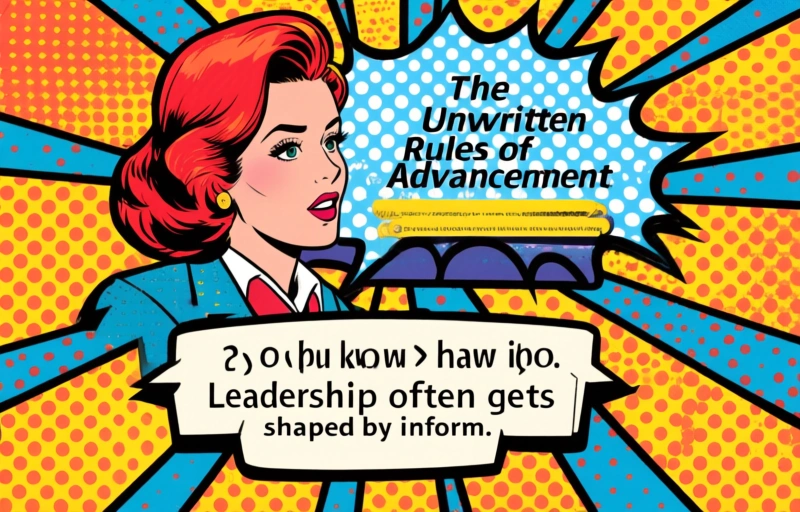
### The Unwritten Rules of Advancement
You know how it goes. Leadership often gets shaped by informal networks – the golf outings, the after-work drinks, the 'old boys' club' that still operates in the shadows. Women are frequently excluded from these circles, whether intentionally or not. That lack of access to sponsors and mentors is a huge hurdle.
Then there's the confidence gap. Studies show women often won't apply for a promotion unless they meet 100% of the qualifications, while men will apply if they meet 60%. It's a mindset that needs to change, both in women themselves and in how opportunities are presented.
- **Unconscious bias in hiring and promotions** – Decision-makers often promote people who look and sound like them.
- **Lack of flexible work arrangements** – Rigid schedules disproportionately affect women, who still shoulder more caregiving responsibilities.
- **The 'prove-it-again' phenomenon** – Women often have to demonstrate competence repeatedly, while men's expertise is assumed.
### What Needs to Change
Real change requires more than just good intentions. Companies need to set clear, measurable goals for gender diversity in leadership. They need to overhaul promotion processes to eliminate bias. And they need to create sponsorship programs that actively prepare women for the C-suite.
As one senior banker told me recently, 'We keep waiting for the culture to shift on its own. That's not going to happen. We have to be the architects of the change we want to see.'
It's about building a system where talent – regardless of gender – can truly rise to the top. The business case is undeniable: diverse leadership teams make better decisions and drive stronger financial performance. Firms that figure this out will have a real competitive edge.
The finance industry is at a crossroads. It can cling to outdated models, or it can embrace the full potential of its workforce. The choice seems obvious, doesn't it? But making it happen will require deliberate, sustained effort from everyone in the room – especially those already holding the keys to the corner office.