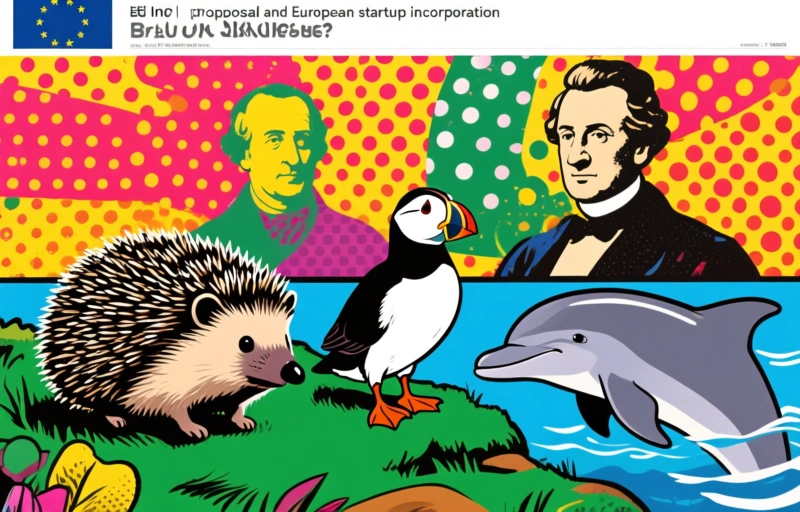
Hedgehogs, puffins, and dolphins could replace historical figures on UK banknotes. This shift reflects a focus on conservation and national identity, with potential implications for branding and business.
Imagine pulling out your wallet and seeing a hedgehog, puffin, or dolphin instead of Winston Churchill or Alan Turing. That's the buzz right now in the UK, where the Bank of England has shortlisted some of Britain's most beloved wildlife for the next generation of banknotes. It's a bold move away from historical figures, and it's got everyone talking.
For those of us watching from the US, this shift is fascinating. It's not just about pretty pictures on paper—it's about what a country chooses to celebrate. The UK has long honored icons like Jane Austen and J.M.W. Turner, but now they're considering animals that represent the nation's natural heritage. This could be a major branding exercise for British identity, and it's worth unpacking why.
### Why Wildlife Over Icons?
The Bank of England's decision to shortlist animals like hedgehogs, puffins, and dolphins is a deliberate move to connect with modern values. Think about it: these creatures are symbols of conservation, biodiversity, and the environment. In a world where climate change is top of mind, putting a puffin on a banknote says something about priorities. It's a gentle nudge toward nature, and it resonates with a younger, eco-conscious audience.
From a business perspective, this is smart. Banknotes are a daily touchpoint for millions. By featuring wildlife, the UK is subtly reinforcing its commitment to sustainability. For US readers, imagine if the Treasury swapped Andrew Jackson for a bald eagle or a bison—it would spark conversations about what we value as a nation.
### What's the Shortlist?
The shortlist includes a range of species, each with its own story. Hedgehogs are a garden favorite, puffins are iconic seabirds, and dolphins represent marine life. But it's not just about cuteness—these animals are facing real threats. Hedgehog populations have declined sharply in the UK, and puffins are vulnerable to climate change. By featuring them, the banknotes could raise awareness about conservation efforts.
- Hedgehogs: A symbol of rural Britain, but their numbers have dropped by over 50% since 2000.
- Puffins: Known as "sea parrots," they're at risk from warming oceans.
- Dolphins: Intelligent and social, they highlight the health of coastal waters.
This isn't a random list. Each animal has a cultural and ecological significance that resonates with the British public. It's a clever way to weave environmental messaging into everyday life.
### How Does This Affect You?
If you're in the US and working with UK clients or partners, this change could impact how you think about British branding. Banknotes are a subtle form of national storytelling. A shift to wildlife suggests a softer, more nature-focused image for the UK. For businesses, it might influence how you position products or services tied to British heritage.
Plus, there's a practical angle: new banknotes mean new designs, which could affect currency exchange or collectibles. If you're in finance or tourism, keep an eye on this. The rollout won't happen overnight, but the conversation is already shaping perceptions.
### The Bigger Picture
This isn't just about the UK. Other countries have experimented with wildlife on currency—Canada has loons and polar bears, Australia has kangaroos. But for a nation steeped in history and tradition, this is a big step. It shows that even the most conservative institutions can evolve.
For us in the US, it's a reminder that currency is more than money—it's a canvas for values. Whether it's hedgehogs or heroes, what we put on our banknotes says a lot about who we are. So next time you see a dollar bill, ask yourself: what story is it telling?