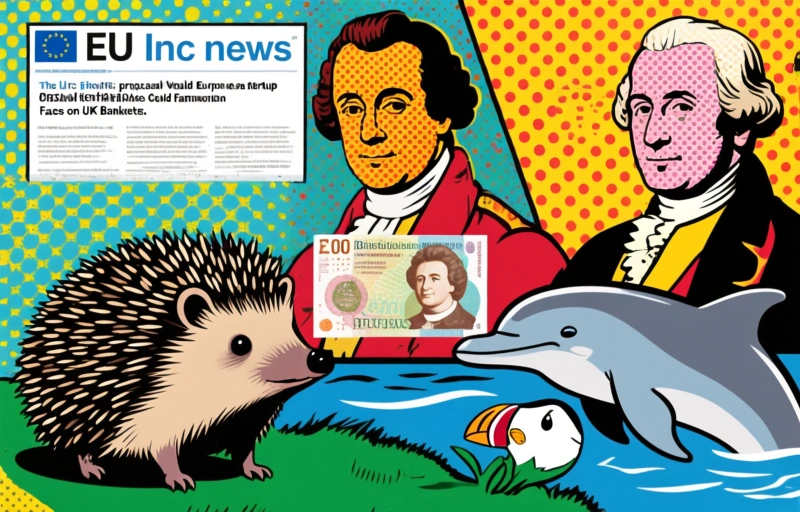
Britain's banknotes may soon feature hedgehogs, puffins, and dolphins instead of famous historical figures, reflecting a shift toward celebrating wildlife and conservation.
Have you ever looked at a banknote and wondered why certain faces end up on our currency? Well, Britain is thinking about shaking things up in a big way. Instead of historical figures like Winston Churchill or Alan Turing, the next generation of banknotes might feature some of the country's most beloved animals.
Hedgehogs, puffins, and dolphins are among the wildlife shortlisted for this honor. It's a fascinating shift that moves away from human achievement and toward celebrating the natural world. And honestly, it makes you think about what we value as a society.
### Why Animals Over People?
Traditionally, banknotes have honored politicians, writers, and scientists. Think of Jane Austen on the £10 note or J.M.W. Turner on the £20. But the Bank of England is now considering a theme that highlights conservation and biodiversity. This isn't just about picking cute animals; it's about recognizing the importance of protecting our environment.
For example, the puffin is a bird that's struggled with changing climates and overfishing. Putting it on a banknote could raise awareness about these issues. Similarly, the hedgehog, a garden favorite, has seen its numbers decline due to habitat loss. A dolphin represents the rich marine life around the British Isles.
This move aligns with a growing global trend where countries use their currency to promote environmental stewardship. It's a subtle but powerful way to remind people daily about the natural treasures we need to protect.
### The Shortlist and What It Means
The shortlist includes a variety of species, each with its own story:
- **Hedgehog**: A symbol of the British countryside, but now vulnerable.
- **Puffin**: A charismatic seabird facing threats from climate change.
- **Dolphin**: A sign of healthy oceans and marine ecosystems.
- **Red Squirrel**: An endangered native species being pushed out by grey squirrels.
- **Bumblebee**: Essential for pollination, but declining due to pesticides.
These choices reflect a broader conversation about what we want our currency to represent. It's no longer just about human accomplishments; it's about our responsibility to the planet.
### How This Affects You
You might be thinking, "Why does this matter to me?" Well, currency is a daily touchpoint. Every time you pull out a note, you're reminded of the values your country holds dear. If Britain switches to wildlife, it could inspire similar changes elsewhere, including in the United States.
Imagine seeing a bald eagle or a grizzly bear on a $20 bill. It would be a constant reminder of America's natural heritage. For professionals in the European startup scene, this news is a reminder that even traditional institutions are evolving. It's a sign that innovation isn't just about technology; it's about rethinking old systems.
### The Bigger Picture
This proposal is part of a larger movement called "EU Inc," which aims to make Europe more competitive for startups and innovation. While banknotes might seem unrelated, the idea is the same: challenge the status quo. The EU Inc proposal seeks to simplify company incorporation across Europe, making it easier for entrepreneurs to launch and grow businesses.
So, whether it's a hedgehog on a banknote or a new law for startups, change is coming. And it's exciting to see institutions embrace fresh ideas.
### What's Next?
The Bank of England hasn't made a final decision yet. They're still gathering public opinion and consulting experts. But the fact that wildlife is even on the table shows how far we've come. It's a conversation worth having, and one that could reshape how we think about currency.
In the meantime, keep an eye on your wallet. You might just see a puffin staring back at you someday.