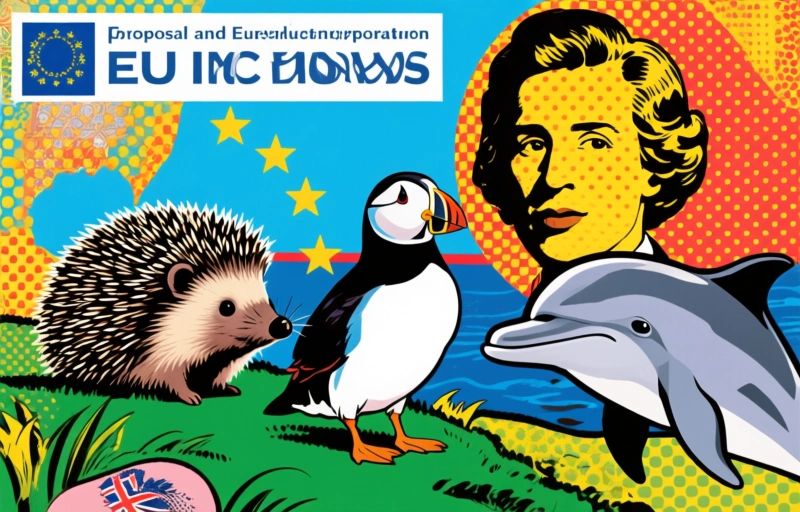
Britain's banknotes could swap famous faces for wildlife like hedgehogs, puffins, and dolphins. This proposal sparks debate about national identity and conservation.
Have you ever looked at a banknote and wondered who that person is? For decades, Britain's money has featured iconic figures like Winston Churchill, Jane Austen, J.M.W. Turner, and Alan Turing. But a fresh proposal might swap these historical giants for something entirely different: animals. Hedgehogs, puffins, and dolphins are among the wildlife shortlisted to appear on the next generation of British banknotes. This isn't just a quirky idea—it reflects a growing conversation about how we represent national identity and values.
### Why Animals Over People?
The shift toward featuring wildlife on currency isn't random. It's part of a broader push to celebrate the natural world and raise awareness about conservation. Britain is home to unique ecosystems, from the cliffs of Cornwall to the Scottish Highlands, and its wildlife is a source of pride. By putting animals on banknotes, the hope is to spark conversations about protecting these species and their habitats. Think of it as a daily reminder, every time you pull out a $10 or $20 bill (well, in this case, a £10 note), that nature matters.
### The Shortlisted Species
The shortlist includes a mix of beloved creatures that resonate with people across the UK. Here's a quick look at some of the candidates:
- **Hedgehogs**: These spiny little mammals are garden favorites, known for their charming waddle and vital role in controlling pests.
- **Puffins**: With their colorful beaks and clumsy flight, puffins are a symbol of coastal life and have a strong following among bird enthusiasts.
- **Dolphins**: Intelligent and playful, dolphins represent the rich marine life around Britain's shores, from the Moray Firth to Cardigan Bay.
Other species under consideration include red squirrels, barn owls, and even the humble bumblebee. Each animal tells a story about the country's natural heritage.
### How This Compares to Other Countries
Britain isn't alone in considering wildlife for its currency. Several nations have already made the switch. For instance, New Zealand's banknotes feature native birds like the kiwi and the yellow-eyed penguin, while Australia's $5 note includes the eastern spinebill. Canada's $10 note showcases the northern lights and a portrait of Viola Desmond, but its coins often highlight animals like the loon. The move in Britain aligns with a global trend toward celebrating biodiversity rather than just political or cultural figures.
### What This Means for Collectors and Investors
For those who collect currency or invest in rare notes, this change could be significant. New banknote designs often create a buzz, with early prints becoming valuable over time. If Britain proceeds with animal-themed notes, expect limited editions and first-run releases to draw attention. It's a reminder that currency isn't just about spending—it's also about art, history, and identity.
### The Bigger Picture
This proposal isn't just about aesthetics. It's a chance to rethink what we value as a society. By featuring animals, Britain could signal a commitment to environmental stewardship and a move away from a human-centric view of history. Of course, there's debate. Some argue that historical figures should remain, as they represent achievements in science, literature, and politics. But others see this as an opportunity to broaden the narrative.
### Wrapping Up
Whether hedgehogs, puffins, or dolphins end up on the next banknote, one thing is clear: the conversation is worth having. Currency is a shared artifact, something that passes through millions of hands daily. What we choose to put on it says a lot about who we are and what we care about. So, next time you're counting cash, imagine a puffin staring back at you. It might just make you smile—and think about the world beyond the wallet.