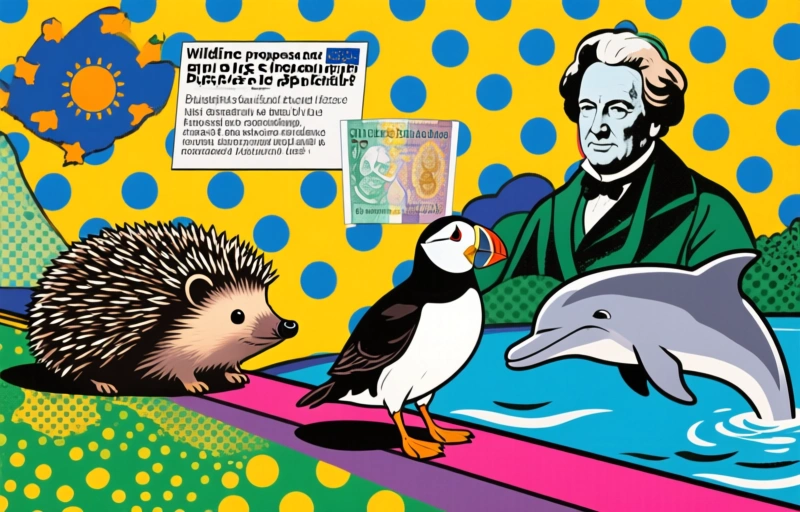
Britain's banknotes could soon feature hedgehogs, puffins, and dolphins instead of historic figures like Churchill and Austen. This shift reflects changing cultural values and a focus on conservation.
Have you ever looked at a banknote and wondered who the face on it really was? For years, Britain's currency has celebrated famous figures like Winston Churchill, Jane Austen, J.M.W. Turner, and Alan Turing. But now, there's a surprising twist: hedgehogs, puffins, and dolphins are on the shortlist to replace them. It's a change that feels both refreshing and a little bit wild, isn't it?
This isn't just about swapping one image for another. It's a reflection of how we value nature in a world that's increasingly digital and disconnected from the outdoors. The Bank of England is considering a shift from human heroes to animal ambassadors, and it's sparking a conversation that goes way beyond money.
### Why Animals? The Shift in Cultural Values
Think about it: our currency tells a story about what we admire. For decades, it's been about human achievement—politicians, artists, scientists. But today, we're more aware than ever of environmental challenges. Climate change, habitat loss, and species extinction are front-page news. Putting animals on banknotes could be a way to say, "Hey, nature matters too."
- Hedgehogs are beloved garden visitors, but their numbers are declining fast.
- Puffins are iconic seabirds, but they're struggling with warming oceans.
- Dolphins represent intelligence and freedom, but they face threats from pollution and fishing.
By featuring these creatures, Britain would be making a statement. It's not just about looking cute on a bill—it's about raising awareness for conservation. And honestly, who wouldn't feel a little more connected to a hedgehog than a politician?
### The Practical Side: What This Means for Collectors and Travelers
Now, let's get real. If you're a collector or someone who travels to the UK, this change could affect you. New banknotes mean old ones eventually become obsolete. But here's the good news: the Bank of England usually gives plenty of notice before withdrawing old designs. So don't panic and start hoarding your Churchill fivers just yet.
For travelers, the shift is more symbolic than practical. You'll still be able to use your pounds at any store. But it's a nice conversation starter when you hand over a note with a puffin on it. Imagine explaining to a friend back in the US why a seabird is on British currency—it's a lot more interesting than a boring old portrait.
### What About the United States? A Comparison
It's worth asking: could we see a similar shift in the US? Our currency features presidents and founding fathers, with a few exceptions like Harriet Tubman on the $20 bill. But American wildlife is just as iconic—bald eagles, bison, grizzly bears. Imagine a $10 bill with a wolf howling at the moon. That would be pretty cool, right?
For now, the US seems content with its human figures. But the British proposal shows that currency can evolve. It's a reminder that money isn't just about value—it's about identity. And as the world changes, our symbols change with it.
### The Bottom Line: A Small Change with Big Meaning
So, will hedgehogs replace Churchill? Probably not overnight. The proposal is still in the early stages, and there's a long process ahead. But it's a sign of the times. We're starting to value nature in ways we didn't before, and that's a good thing.
Next time you're in the UK, take a closer look at your banknotes. You might just see a puffin staring back at you. And if you do, remember: it's not just a bird—it's a message.