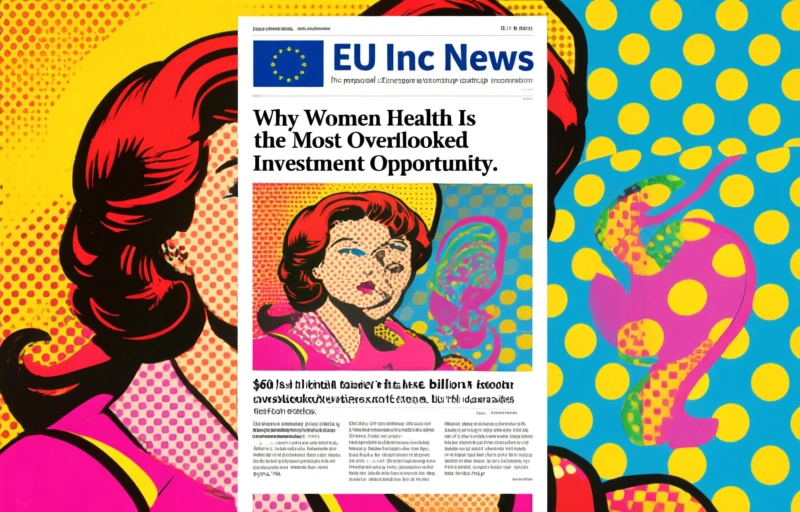
Women's health is a $60 billion market that has been overlooked by investors for decades, but changing demographics, rising demand, and new leadership are making it one of the smartest bets in healthcare today.
Think about the last time you heard someone pitch a billion-dollar market that's barely been tapped. Chances are, it wasn't women's health. But it should have been. For decades, this sector has been sitting right under our noses, quietly growing while most investors looked the other way. Let's break down why this is changing and why you should care.
### The Numbers Don't Lie
Women make up about half the global population, but their health needs have historically received a fraction of the research funding and venture capital. According to a recent report by the European Business Review, the women's health market is projected to hit $60 billion by 2030. Yet, in 2020, less than 4% of all healthcare R&D was dedicated to female-specific conditions. That's a massive gap.
What does this mean for you? It means there's room for innovation and serious returns. Conditions like endometriosis, menopause, and fertility issues affect millions of women, but they've been underfunded and understudied. Compare that to men's health areas like erectile dysfunction, which gets billions in research and has produced blockbuster drugs like Viagra. The imbalance is stark.
### Why Investors Missed the Boat
So why has women's health been overlooked? A few reasons:
- **Historical bias**: Most medical research was done on men, with the assumption that women's bodies work the same way. We now know that's not true.
- **Stigma**: Topics like menstruation and menopause have been taboo, making them less attractive for mainstream investment.
- **Lack of data**: Without enough research, it's hard to build a compelling business case. But that's changing fast.
> "The women's health market is one of the most underappreciated opportunities in healthcare today. The companies that recognize this now will be the leaders of tomorrow."
### What's Driving the Change?
A few things are shifting the tide. First, more women are in leadership roles in biotech and venture capital. They bring personal experience and a willingness to fund solutions for problems they understand. Second, the pandemic highlighted gaps in healthcare systems, pushing investors to look for underserved areas. Finally, consumer demand is skyrocketing. Women are actively seeking better options for everything from period pain to hormone therapy.
### Key Areas to Watch
If you're looking to invest, here are some hot spots:
- **Fertility tech**: From IVF advancements to egg freezing services, this market is booming. The average cost of a single IVF cycle in the US is around $12,000 to $15,000, and demand is high.
- **Menopause solutions**: With 1.3 million women entering menopause every year in the US alone, there's a huge need for better treatments. Current options are limited, and many women suffer in silence.
- **Pelvic health**: Conditions like incontinence and prolapse affect millions, but they're rarely discussed. New devices and therapies are emerging.
- **Mental health**: Women are twice as likely as men to experience depression, and hormonal changes play a big role. Digital therapeutics and specialized apps are gaining traction.
### The Bottom Line
Women's health isn't just a feel-good investment. It's a smart one. The market is large, the need is real, and the competition is still relatively low. If you can get in early, you could see returns that rival any other healthcare sector. The key is to look past the stigma and see the opportunity.
What do you think? Is women's health the next big thing, or is it still too risky? Drop your thoughts in the comments below.