Why Peer Support Matters More for Disabled People Now
Jan de Vries ·
Listen to this article~4 min
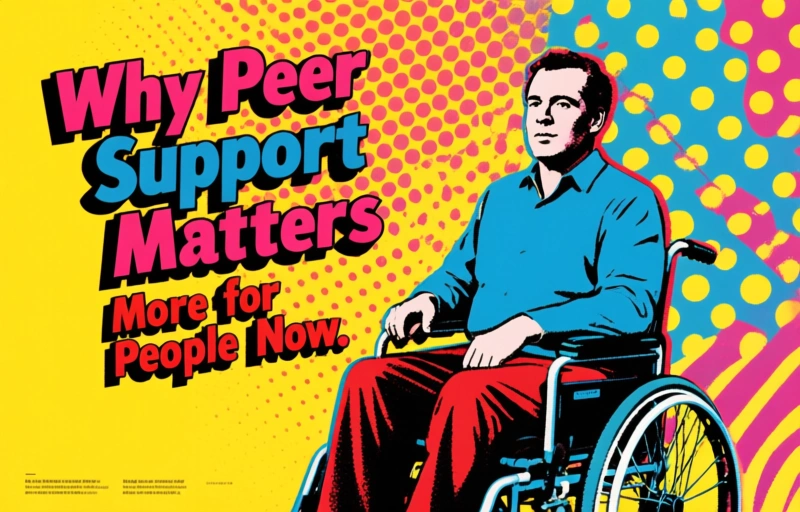
Peer support empowers disabled people with guidance, resilience, and community, helping them navigate systems that often fail their needs. It's a vital lifeline in a disconnected world.
Let's be real for a second. Systems designed to help disabled people often fall short. Paperwork gets lost, appointments get canceled, and the whole process can leave you feeling more alone than before. That's where peer support steps in. It's not just a nice-to-have; it's a lifeline.
Peer support is about real connection. It's disabled people helping each other with guidance, resilience, and a sense of community. When you're navigating a system that feels rigged against you, talking to someone who's been there makes all the difference. They get it. They don't need a long explanation.
### The Power of Shared Experience
There's something powerful about talking to someone who truly understands your daily struggles. Not out of sympathy, but out of shared experience. Peer support creates a space where you don't have to explain yourself over and over. You can just be. And that alone can lift a huge weight off your shoulders.
- You learn practical tips for dealing with bureaucracy.
- You find emotional support when things get tough.
- You discover resources you never knew existed.
- You build friendships that last beyond the support group.
It's like having a guide who's already walked the trail. They know where the potholes are and can help you avoid them. That kind of insider knowledge is gold.
### Navigating Systems That Fail
Let's face it: many systems are not designed with disabled people in mind. From healthcare to housing, the hurdles can feel endless. Peer support helps you navigate these challenges with more confidence. Instead of banging your head against a wall, you can ask someone who's already found a workaround.
> "Peer support gave me the courage to fight for my benefits. I wouldn't have known where to start without my group."
This kind of real-world advice is hard to find elsewhere. It's practical, tested, and delivered with empathy. And it reminds you that you're not alone in the fight.
### Building Resilience and Community
Resilience isn't about going it alone. It's about knowing when to lean on others. Peer support builds that resilience by creating a network of people who have your back. You share victories, big and small, and you learn from setbacks together.
Community is the secret sauce. When you feel part of something bigger, the hard days get a little easier. You celebrate wins that others might not understand. And you know there's always someone to call when you need a boost.
### The Urgency Right Now
Why is peer support more important than ever? Because the world feels more disconnected by the day. Social media can be isolating, and formal support systems are stretched thin. Peer support fills that gap. It's immediate, personal, and free from red tape.
For disabled people in the United States, the need is especially acute. With rising costs and complex insurance systems, having a peer network can save you time, money, and stress. It's not just emotional support; it's practical help that makes daily life more manageable.
### How to Get Started
If you're looking for peer support, start small. Look for local groups online or through disability organizations. Many are free and meet virtually, so you don't have to travel. Try a few sessions to see what feels right. The key is finding a group where you feel safe and understood.
Remember, peer support is a two-way street. You'll get help, but you'll also give it. That exchange builds confidence and purpose. And that's something we all need more of right now.