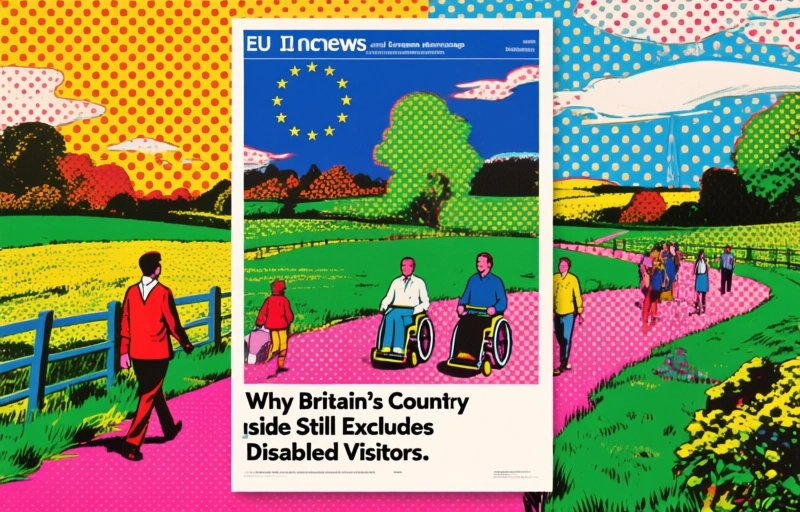
Countryside accessibility for disabled people in Britain remains inconsistent, with many green spaces still excluding visitors despite legal promises of inclusion.
Imagine planning a weekend escape to the rolling hills of the English countryside, only to find that the paths are too narrow for your wheelchair or the visitor center lacks accessible restrooms. For millions of disabled people in Britain, this isn’t a hypothetical—it’s a daily reality. Despite promises of inclusion and a growing awareness of accessibility rights, many green spaces remain as out of reach as the crown jewels. Let’s dig into why this gap persists and what can be done about it.
### The Promise vs. Reality
Britain’s countryside is often hailed as a national treasure, with over 10,000 miles of public footpaths and countless parks. But for disabled individuals, these spaces can feel like a locked door. A 2023 survey by the charity Sense found that 70% of disabled people have faced barriers accessing nature, from uneven terrain to lack of signage. The Equality Act 2010 requires reasonable adjustments, but enforcement is spotty, leaving many sites to operate on goodwill rather than obligation.
### Common Barriers Disabled Visitors Face
Here are the most frequent obstacles, according to recent reports:
- **Poor path surfaces:** Gravel, mud, and narrow trails make wheelchair use impossible.
- **Inadequate parking:** Spaces are often too few or too far from entrances.
- **Lack of accessible toilets:** Many sites have none, or they’re poorly maintained.
- **Limited information:** Websites rarely provide detailed accessibility info, so visitors can’t plan ahead.
These aren’t minor inconveniences—they can turn a day trip into a logistical nightmare.
### Why Change Is Slow
Part of the problem is funding. Many countryside sites are run by cash-strapped local councils or charities like the National Trust. Installing boardwalks, leveling paths, or adding ramps costs money they don’t always have. But there’s also a cultural issue: decision-makers often don’t prioritize accessibility because they don’t see the demand. As one campaigner put it, “If you don’t include disabled voices in planning, you’ll always miss the mark.”
### What’s Being Done
Progress is happening, albeit slowly. Some organizations are leading the charge:
- **The National Trust** has invested over $50 million in the past five years to improve access at its sites, including all-terrain wheelchairs at over 100 locations.
- **Local groups** like Access the Countryside run volunteer-led path audits to identify gaps.
- **Tech solutions** are emerging too: apps like AccessAble provide user-reviewed accessibility ratings for parks and trails.
Yet, these efforts remain patchwork. Without a national strategy, many disabled people still feel left out.
### How You Can Help
If you’re a landowner, manager, or just a visitor, there are simple steps to make a difference:
1. **Ask before you assume:** Check if a site has accessible features, and speak up if it doesn’t.
2. **Support inclusive projects:** Donate to or volunteer with groups that focus on accessibility.
3. **Spread the word:** Share positive examples of accessible countryside spots to encourage others.
### The Road Ahead
True inclusion means more than just a ramp at the entrance. It’s about designing spaces that work for everyone from the start. That requires listening to disabled people, investing in infrastructure, and holding organizations accountable. Until then, Britain’s countryside will remain a beautiful but broken promise for many.