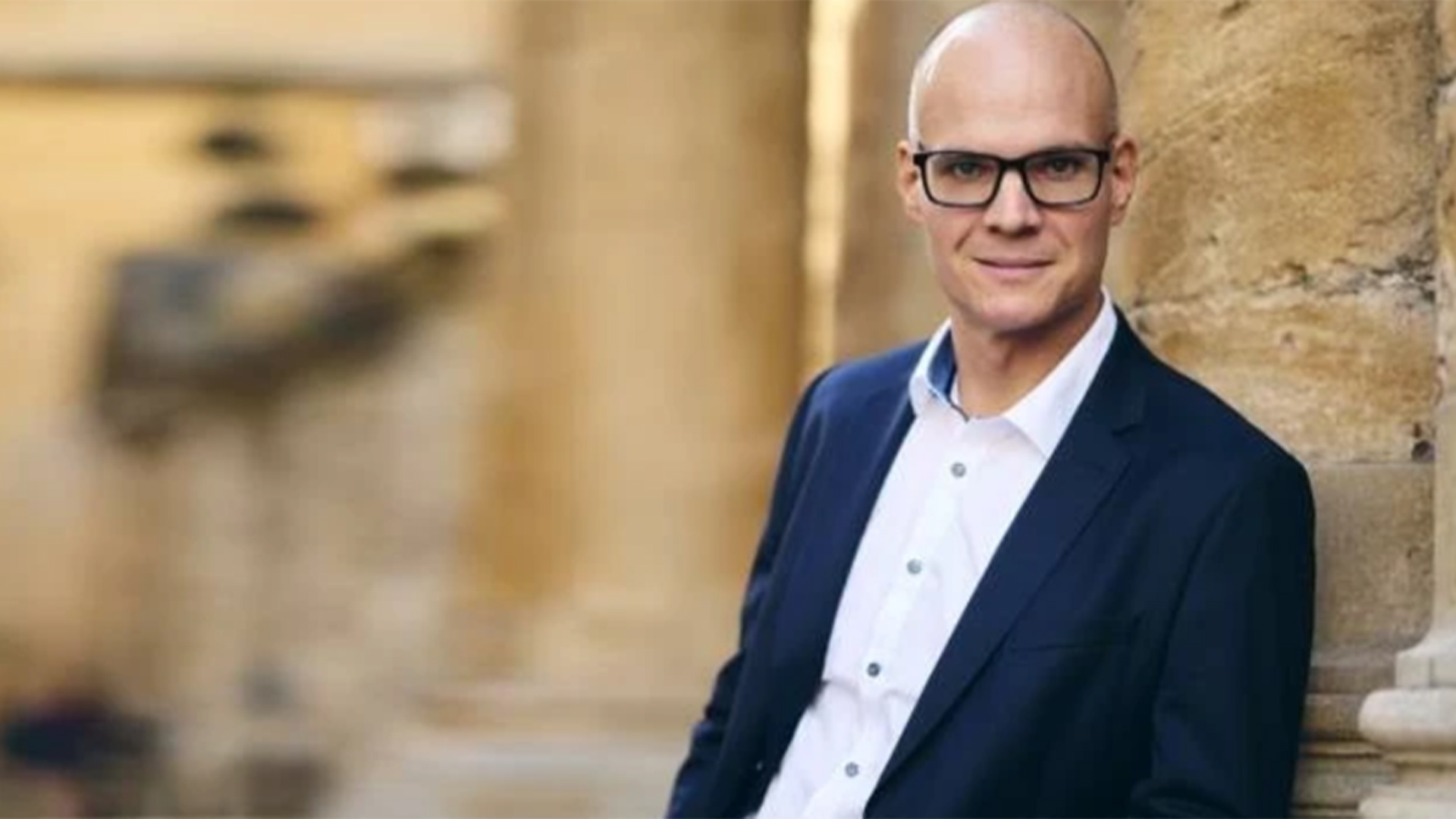
Dr. Jan Rosenow explains how businesses can cut carbon emissions through 24/7 clean energy, real abatement, and electrification. He shares insights on the energy transition and the European Green Deal.
Running a business on clean energy every hour of the year is a demanding ambition. But Dr. Jan Rosenow sees it as one of the most exciting areas of innovation in cutting carbon emissions.
An energy and climate policy specialist, Rosenow has advised organizations including the International Energy Agency, the United Nations, and the European Parliament. Speaking exclusively to the Sustainability Speakers Agency, he explains why he remains optimistic about the energy transition and where businesses can make progress.
### The Shift from Offsetting to Real Abatement
In the past, businesses often bought certificates that allowed them to claim, "We are carbon neutral. We've offset our emissions." But that's the old world of carbon abatement. Now, companies are moving toward real carbon abatement—making sure they run on clean energy every hour of the year.
> "We're seeing a lot of companies moving into that space of 24/7 clean energy, and that is where a lot of the innovation is happening. It's hugely challenging, but also very exciting." – Jan Rosenow
This shift requires a fundamental change in how businesses source and consume energy. It's not just about purchasing renewable energy credits; it's about integrating clean energy into every aspect of operations.
### Why Rosenow Is Optimistic
Rosenow is an energy transition optimist because he's seen the pattern before: people say it's too difficult, too expensive, and won't work. Then, a decade or two later, the transition has been faster, cheaper, and more effective than predicted.
"I personally believe a lot of these challenges will be overcome through learning effects and innovation," he says. "Within that, businesses play a pivotal role."
### First Steps for Companies
The first step a company can take is to make a commitment to transition away from fossil fuels to clean energy carriers. But commitment alone isn't enough. Companies need help from experts who can provide a road map toward meeting that ambition.
- **Commit to the transition:** Publicly pledge to move away from fossil fuels.
- **Seek expert guidance:** Bring in specialists who can create a tailored plan.
- **Invest in innovation:** Explore new technologies and business models.
### How Businesses Deliver the Energy Transition
The energy transition is delivered by businesses: the ones building infrastructure, creating opportunities for clean energy technologies to reach consumers, and developing the financial models needed for investment.
"There's a huge role for business in the energy transition," Rosenow notes. "I see so much innovation coming out of companies small and large that I personally believe we are already pretty far ahead when it comes to the transition."
### The European Green Deal: A Once-in-a-Generation Opportunity
The European Green Deal is a massive undertaking—a once-in-a-generation opportunity for Europe to transition away from fossil fuels toward clean energy. It offers tremendous opportunities for businesses to benefit from incentives for renewable buildout and decarbonizing energy supply.
"The Green Deal will provide an immense platform and accelerator for the transition in Europe," Rosenow says.
### Electrification: The Most Important Lever
Electrification is the most important lever to lower emissions in the global economy. Analysis by the International Energy Agency and others shows that electrifying sectors like transportation, heating, and industry can drastically reduce carbon emissions—especially as the grid gets cleaner.
For businesses, this means replacing fossil fuel-powered equipment with electric alternatives and advocating for policies that support electrification.
### The Bottom Line
The transition to clean energy is underway, and businesses are at the forefront. By committing to real abatement, seeking expert guidance, and embracing electrification, companies can cut emissions and position themselves for success in a low-carbon economy.
As Rosenow puts it, "The transition has been faster than most people predicted. It has been cheaper, and costs have fallen more than expected." That's a reason for optimism—and a call to action.