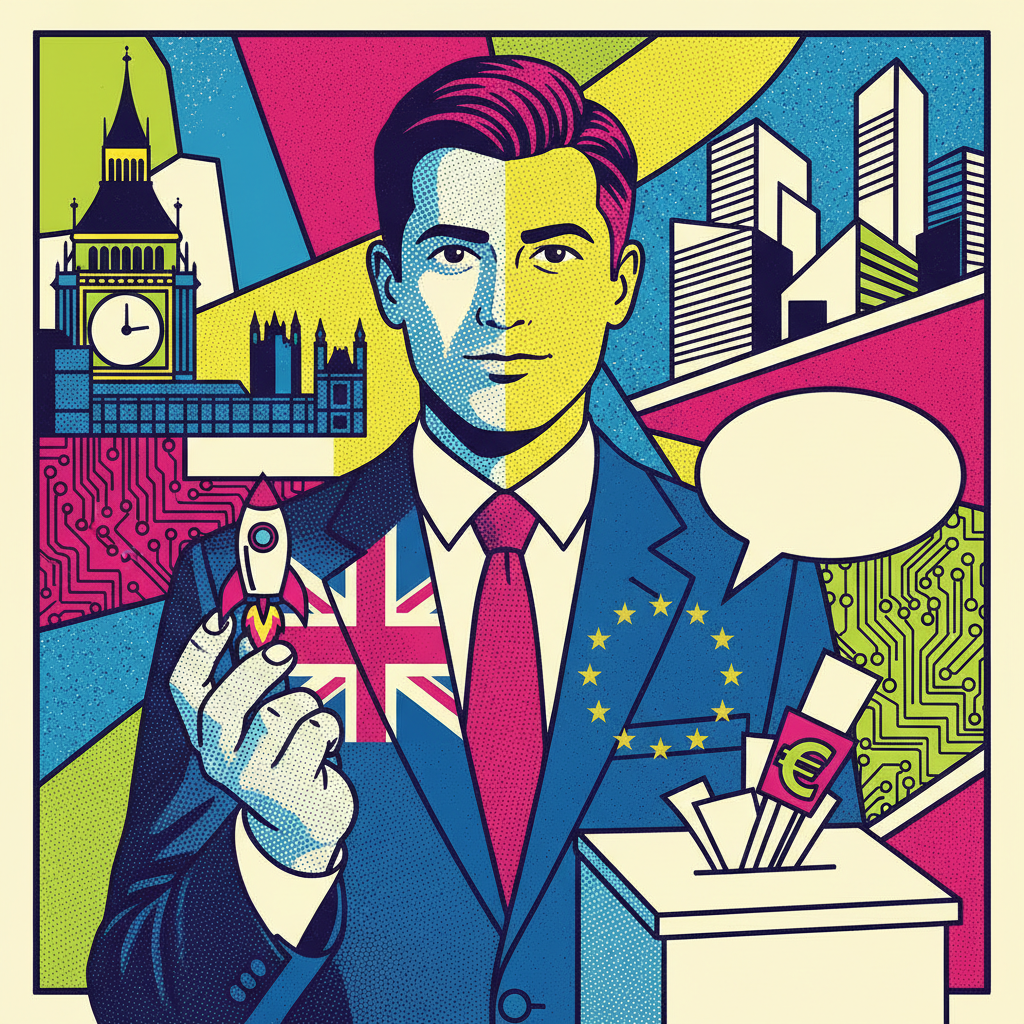
British politics remains unevenly accessible, raising questions about who truly gets to participate and be represented. This article explores the barriers and potential solutions.
British politics has a reputation for being a bit of a closed shop. It's a system that claims to represent everyone, but when you look closer, it's clear that not everyone has an equal shot at getting a seat at the table. This isn't just about who gets elected—it's about who feels they can even participate in the first place. Let's break down what's really going on and why it matters.
### The Uneven Playing Field
For decades, British politics has been dominated by a certain type of person: often privately educated, often from a privileged background, and almost always from a narrow slice of society. This isn't an accident. The system has built-in barriers that make it harder for people from working-class families, ethnic minorities, or those with disabilities to get involved. Think about it: the cost of running for office, the time commitment, and the networking required all favor those who already have resources. You don't need to be a cynic to see that this limits who gets to shape policy.
Take a look at Parliament. The House of Commons is still overwhelmingly male, white, and older. While there have been improvements—more women and minority MPs than ever—the pace is glacial. Compare that to the diversity of the UK population, and you see a clear mismatch. This isn't just about fairness; it's about effectiveness. When decision-makers don't reflect the people they serve, policies miss the mark. For example, housing debates often ignore the realities of renters because most MPs are homeowners.
### Who Gets to Speak?
Beyond elected officials, there's the question of who gets heard in the political conversation. Media coverage, lobbying, and even protest movements tend to favor those with money and connections. A well-funded campaign can drown out grassroots voices. Consider the recent debates around the EU and Brexit. Big business had a loud voice, while small business owners and workers often struggled to get their perspectives on the national stage. This imbalance means that important issues—like the impact on local economies or the cost of living—get less attention than they deserve.
- **Money talks**: Lobbyists and corporate interests have direct access to politicians.
- **Media bias**: News outlets often prioritize sensational stories over nuanced discussions.
- **Digital divide**: Not everyone has the tech skills or internet access to engage online.
This creates a feedback loop: those who are already powerful get more influence, while others are pushed to the margins. It's not a conspiracy; it's just how the system has evolved. But that doesn't mean it can't change.
### The Cost of Participation
Running for office in the UK is expensive. Even a local council seat can require thousands of dollars in campaign costs. For a parliamentary seat, it's tens of thousands. This financial barrier alone filters out many talented people who can't afford to take time off work or pay for childcare while campaigning. The result? A political class that's wealthier than the average citizen. This isn't just a British problem—it's a global one—but it's particularly stark here.
And participation isn't just about running for office. It's about voting, too. Voter turnout in the UK has been declining, especially among young people and lower-income groups. Why? Because many feel the system doesn't work for them. When you see politicians making decisions that benefit the wealthy while you struggle to pay rent, it's easy to feel disillusioned. This disengagement is dangerous for democracy. A healthy system needs active participation from all corners of society.
### What Can Be Done?
So, how do we fix this? It starts with acknowledging the problem. Then, we need concrete changes:
- **Campaign finance reform**: Limit the influence of big money in politics.
- **Civic education**: Teach young people how the system works and why their voice matters.
- **Accessibility**: Make polling stations easier to reach and provide remote voting options.
- **Diversity quotas**: Encourage parties to field more diverse candidates.
These aren't radical ideas. Countries like New Zealand and Germany have implemented similar measures with positive results. The UK could learn from them. But it requires political will—something that's often in short supply.
### The Bigger Picture
At its core, the question of who belongs in British politics is about power. Who holds it? Who benefits? And who gets left out? The answers reveal a lot about our society. We can't claim to be a true democracy when large segments of the population are effectively silenced. The good news is that change is possible. It's happening slowly, but it's happening. More grassroots movements, more diverse candidates, and more public pressure are all pushing the system in the right direction.
But we can't afford to be complacent. Every election, every policy debate, every protest is a chance to reshape who gets to participate. The goal shouldn't just be to open the doors a crack—it should be to tear them down entirely. Because in a democracy, everyone deserves a seat at the table.