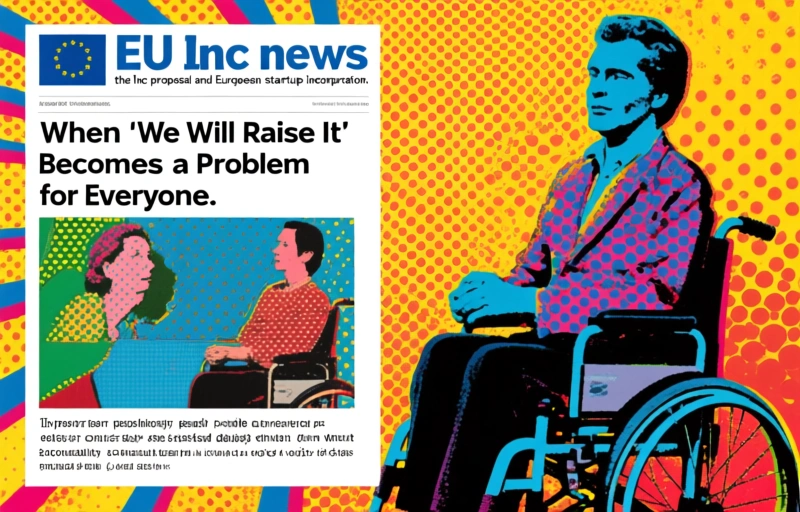
Disabled people face repeated delays when concerns are escalated without accountability. Learn how to replace empty promises with real action.
Have you ever been stuck waiting for a decision, only to hear the phrase, "We'll raise it with the team"? It sounds helpful, but too often, it's a dead end. For disabled people, this isn't just frustrating—it's a daily reality that creates repeated delays. Concerns get escalated through channels, but nothing changes. No one takes responsibility, and accountability vanishes.
Let's break down why this happens and how we can fix it. It's not about pointing fingers; it's about building systems that actually work. Because when "we'll raise it" becomes the default, everyone loses—especially those who need action most.
### The Escalation Trap
Here's the thing: escalation sounds like progress. You report an issue, someone says they'll pass it along, and you feel heard. But what happens next? In many organizations, the concern travels up a chain, only to get lost in layers of management. No one owns the problem, so it sits there, unresolved.
For disabled individuals, this isn't just an inconvenience. It can mean delayed access to services, missed opportunities, or even safety risks. Think about it: a wheelchair ramp that's broken, a website that's inaccessible, or a service that's not accommodating. Each time, the response is the same: "We'll raise it." But without a clear owner or timeline, that promise is empty.

### Why Accountability Matters
Accountability isn't a buzzword; it's the backbone of real change. When someone says, "I'll handle this," they need to follow through. But in many organizations, accountability is spread so thin that no one feels responsible. It's like a game of hot potato—everyone passes the issue along until it drops.
Here's a simple fix: assign a single point of contact for every concern. That person tracks progress, reports back, and ensures resolution. No more vague promises. No more passing the buck. Just clear, direct action.
### What Real Action Looks Like
So, what does meaningful action actually look like? Start with transparency. When a concern is raised, share the steps being taken. Set a deadline, even if it's just a week for an update. And if the issue can't be resolved right away, say so. Honesty builds trust way more than empty assurances.
Another key step: empower frontline staff. They're the ones who hear concerns first. Give them the authority to make small fixes on the spot. For bigger issues, give them a direct line to decision-makers. This cuts through the bureaucracy and speeds things up.
- **Be specific**: Instead of "We'll raise it," say "I'll check with our team and get back to you by Friday."
- **Follow through**: Actually do what you said you'd do. If you can't, explain why.
- **Create feedback loops**: Let people know what happened because of their input. It shows their voice matters.
### The Cost of Inaction
Let's talk about the real cost. When disabled people face delays, it's not just a personal struggle—it's a systemic failure. Organizations lose trust, miss out on diverse talent, and face reputational damage. In the United States, the Americans with Disabilities Act sets clear standards, but compliance isn't enough. True inclusion means listening and acting, not just checking boxes.
Consider this: a company that ignores accessibility concerns could face lawsuits, but more importantly, it loses the chance to innovate. Disabled people bring unique perspectives that drive better design for everyone. By ignoring their concerns, you're not just failing them—you're failing your own growth.
### A Better Way Forward
So, how do we move from "we'll raise it" to "we've fixed it"? Start with a culture shift. Make accountability a core value, not an afterthought. Train teams to communicate clearly and own their commitments. And most importantly, listen to the people you're trying to serve.
Here's a quote to keep in mind: "Inclusion isn't a favor; it's a foundation." When disabled people are treated as partners, not problems, everyone benefits. So next time you hear "We'll raise it," ask: "Who will own it?" That small change can make a world of difference.
### Final Thoughts
This isn't about blaming individuals. It's about fixing systems that let issues slip through the cracks. By creating clear accountability, setting timelines, and empowering people to act, we can turn empty promises into real progress. Disabled people deserve more than delays—they deserve action. And it starts with all of us.