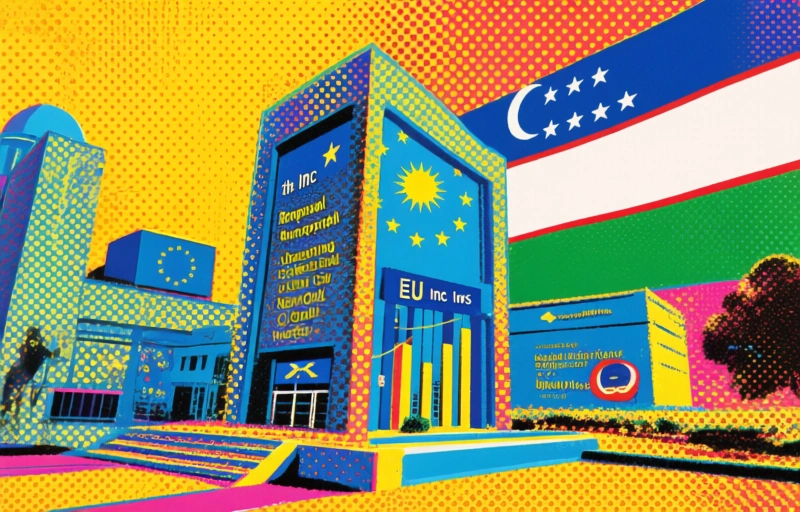
Uzbekistan's banking reforms and digital transformation are driving foreign investment, financial inclusion, and deeper ties with global markets. Discover what this means for U.S. investors.
Uzbekistan is making big moves. The country's banking reforms and digital transformation are pulling in foreign investment, boosting financial inclusion, and tying its economy closer to global markets. It's a shift that's been years in the making, but now it's really picking up steam.
For years, Uzbekistan's financial sector was pretty closed off. State-owned banks dominated, and the system was slow to change. But that's all starting to flip. The government has pushed through a wave of reforms aimed at modernizing the banking industry, making it more transparent, and attracting outside capital. And it's working.
### What’s Actually Changing?
The reforms are broad, but a few key areas stand out.
- **Privatization of state banks:** The government is selling stakes in major state-owned banks, bringing in private and foreign players. This is huge for competition and efficiency.
- **Digital banking push:** Mobile apps, online accounts, and digital payments are becoming the norm. That’s a massive leap from where things were just a few years ago.
- **Regulatory updates:** New rules around capital requirements, lending standards, and anti-money laundering are aligning more with international norms. That makes foreign investors feel a lot more comfortable.
- **Financial inclusion efforts:** The government is targeting unbanked populations, especially in rural areas, with simpler account setups and lower fees.
These changes aren't just window dressing. They’re reshaping how money moves in Uzbekistan. And for investors, that’s a signal worth paying attention to.
### Why Global Investors Are Taking Notice
Foreign capital is flowing in. Banks from Europe, China, and the Middle East are setting up shop or expanding their presence. The reason is simple: Uzbekistan offers a growing market with a young, increasingly tech-savvy population. And with reforms making the banking sector more predictable, the risk profile is dropping.
> "Uzbekistan is no longer a frontier market that’s too risky to touch. It’s becoming a real opportunity for strategic investors."
That quote from a regional analyst sums up the sentiment. The country’s GDP has been growing steadily, and the banking sector is finally catching up. For U.S. investors used to mature markets, Uzbekistan offers a chance to get in on the ground floor of a modernization story.
### The Digital Transformation Angle
Digital banking is a big part of this. Mobile money services are expanding fast. The central bank has launched a national payment system that’s making transactions faster and cheaper. And fintech startups are popping up, offering everything from peer-to-peer lending to digital insurance.
This isn’t just about convenience. It’s about inclusion. Millions of Uzbeks who were previously outside the formal banking system now have access to savings accounts, credit, and payment tools. That’s a fundamental shift that can drive economic growth for decades.
### What This Means for the U.S. Audience
If you’re a U.S.-based investor or business owner, this is a market to watch. The banking reforms are making it easier to move money in and out of the country. Currency controls have been relaxed. And the government is offering incentives for foreign banks to set up operations.
Of course, there are risks. Political stability is always a question in Central Asia. And the pace of reform can be uneven. But the direction is clear. Uzbekistan is opening up, and the banking sector is leading the charge.
### The Bottom Line
Uzbekistan’s banking reforms are more than just a news story. They’re a signal that the country is serious about integrating with the global economy. For investors looking for emerging market opportunities with real momentum, this could be the start of something big.
The next few years will be critical. If Uzbekistan can keep up the pace of reform and maintain stability, it could become a major hub for investment in Central Asia. And for those who get in early, the rewards could be substantial.