USD/JPY: Key Drivers for the Next Big Currency Move
Jan de Vries ·
Listen to this article~5 min

Analyzing the key factors that could trigger the next significant shift in the USD/JPY currency pair, from Federal Reserve policy to Bank of Japan signals and global market forces.
If you're watching the currency markets, you know the USD/JPY pair is always a headline grabber. It's not just numbers on a screen—it's a story about two economic powerhouses and the forces pushing them around. Right now, everyone's asking the same question: what's going to drive the next major move?
Let's break it down without the jargon. Think of it like a tug-of-war between the US dollar and the Japanese yen. The rope gets pulled by central bank policies, economic data, and good old-fashioned market sentiment. We're at a point where a nudge in any direction could start a significant trend.
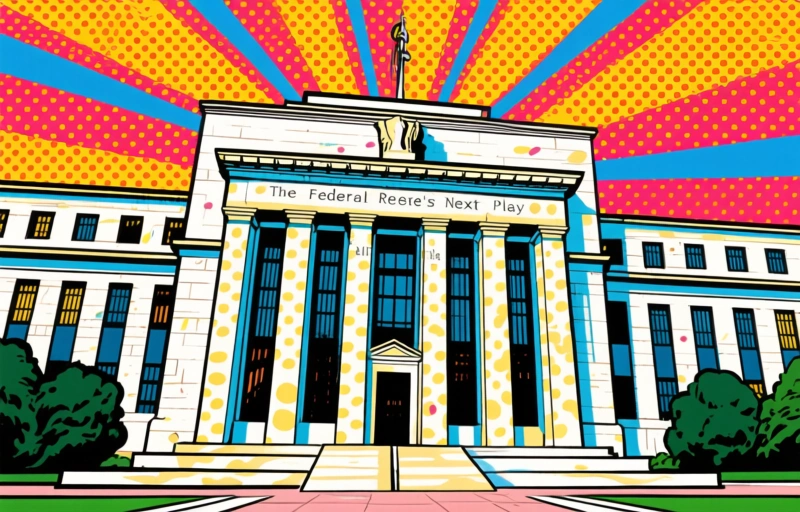
### The Federal Reserve's Next Play
All eyes are on the Fed, as usual. Their interest rate decisions don't just affect America; they send ripples across the global pond. When the Fed talks about hiking rates or slowing down, the dollar often listens and reacts. But it's not just about the announcements themselves. It's about the *expectations* versus the *reality*. The market prices in what it thinks will happen months in advance. So, the real move in USD/JPY often comes when the Fed does something unexpected—or says something that catches traders off guard.
We're in a tricky phase. Inflation data keeps coming in hot, then cooler, then hot again. The Fed's trying to navigate this without tipping the economy into a recession. Every speech, every meeting minute is scrutinized for clues. For USD/JPY, a more hawkish Fed (leaning toward higher rates) typically strengthens the dollar against the yen. A more dovish shift (leaning toward lower rates or pauses) can do the opposite.
### The Bank of Japan's Delicate Dance
On the other side, we have the Bank of Japan. They've been the outlier for years, sticking with ultra-loose monetary policy while everyone else tightened. But whispers of change are growing louder. Any hint that the BOJ might finally shift away from negative interest rates or yield curve control could send the yen soaring.
The problem for Japan is its massive debt. Raising rates isn't as simple as it sounds; it makes servicing that debt more expensive. So, the BOJ moves slowly, carefully. They're watching wage growth and domestic inflation. If they see sustained price increases driven by domestic demand (not just imported inflation), that's their green light. A policy shift from the BOJ would be a seismic event for USD/JPY, likely causing a sharp drop in the pair.
### Beyond Central Banks: The Other Factors
Central banks get the spotlight, but other actors are on stage too.
- **Geopolitical Tensions:** Safe-haven flows are a big deal. When global uncertainty rises—think conflicts or trade wars—investors often flock to the US dollar *and* the Japanese yen. It creates a weird push-pull in the USD/JPY pair. Sometimes the dollar wins as the ultimate safe haven; sometimes the yen benefits from being closer to the action in Asia.
- **Energy Prices:** Japan imports almost all its energy. Soaring oil or LNG prices hurt Japan's trade balance, which can weaken the yen. It's a direct hit to their economy.
- **The Yield Gap:** This is a bit technical, but stick with me. US government bonds pay much higher interest than Japanese bonds. That gap attracts money into dollar assets, supporting the USD/JPY rate. If that gap narrows significantly, the support for the dollar weakens.
As one seasoned trader put it, "Trading USD/JPY isn't about predicting one thing; it's about weighing a dozen shifting probabilities."
### What Should You Watch Now?
So, where does this leave us? The next major move is likely hiding in the divergence between the Fed and the BOJ. Watch their language. Watch the economic data they care about—US CPI and jobs reports, Japan's wage figures and inflation prints.
Don't get lost in the daily noise. Look for the sustained trends in the data that would force a central bank to change its tune. That's your signal. The market can be patient, but when it moves, it moves fast. Being prepared means understanding not just what's happening, but what *could* happen based on the scenarios unfolding in Washington and Tokyo. Keep your analysis simple, watch the key levels, and remember that in forex, sometimes the best move is to wait for the market to show its hand.