UK Supermarkets End Live Lobster Sales Before Ban
Jan de Vries ·
Listen to this article~4 min
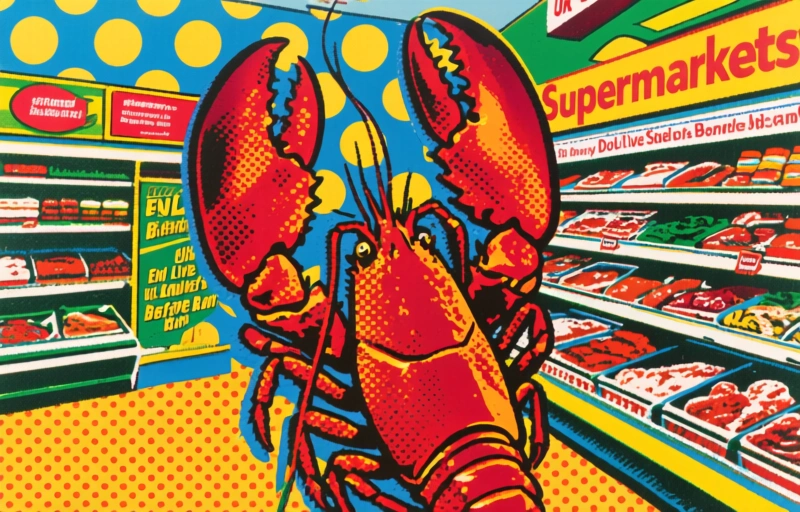
UK supermarkets are voluntarily ending live lobster and crab sales ahead of an official government ban, driven by evolving animal welfare standards and changing consumer expectations.
You know, it's one of those things you see in the grocery store and maybe don't think too much about. The tanks with live lobsters and crabs. But that's changing right now across the UK. Major supermarket chains are making a big move. They're voluntarily stopping the sale of live crustaceans. And they're doing it ahead of an official government ban that's coming down the pipeline.
It's a significant shift, driven by tightening animal welfare standards. The industry is evolving, and public sentiment is playing a huge role. People are thinking more about where their food comes from and how it's treated. This isn't just a policy change. It's a cultural one.
### Why This Change Is Happening Now
So, what's the rush? Why are supermarkets jumping the gun on a ban that hasn't even officially taken effect yet? A lot of it comes down to public pressure and corporate responsibility. Animal welfare groups have been campaigning on this issue for years. They've highlighted the stress and potential suffering these animals experience in transit and in store tanks.
The science has gotten clearer, too. Research suggests decapods like crabs and lobsters can feel pain and distress. That's changed the conversation entirely. It's moved from being just about 'freshness' to being about ethics. Supermarkets are reading the room. They see where consumer values are heading and they're adapting.

### The Ripple Effect Across the Industry
This decision by the big retailers isn't happening in a vacuum. It creates a powerful ripple effect. When the major players make a move like this, it sets a new standard. Smaller fish markets and specialty seafood shops will feel the pressure to follow suit. It also sends a strong signal to suppliers and the fishing industry about future demand.
Think about it from a logistics standpoint. Those tanks require specific equipment, maintenance, and trained staff. By phasing them out, supermarkets are simplifying their operations. It's a practical business decision wrapped in an ethical one. They're future-proofing their stores against the coming regulations.
Here’s what the shift means for shoppers:
- You'll no longer see live lobsters or crabs in supermarket tanks
- Pre-cooked and chilled options will become the standard
- Prices may adjust as supply chains adapt to the new model
- The focus will shift to sourcing and sustainability labels
It's a reminder that our shopping habits have power. Consumer choices drive these large-scale changes. As one industry insider recently noted, 'The shelf is the new voting booth.' What we choose to buy directly influences corporate policy.
### Looking at the Bigger Picture
This is part of a much larger trend in food retail. We've seen it with cage-free eggs, with commitments to higher welfare meat, and now with seafood. The entire supply chain is under scrutiny. Transparency isn't just a buzzword anymore. It's a customer expectation.
For the average person, this change might seem small. But it represents a major step in how we think about all animals in our food system. It acknowledges that welfare considerations shouldn't stop at the farm gate. They should extend to every creature, right up to the point of harvest.
The coming UK ban will make this practice illegal. But by acting now, supermarkets are getting ahead of the curve. They're showing leadership. And they're giving customers one less ethical dilemma during their weekly shop. It's a win for animal welfare advocates, a strategic move for the retailers, and a sign of the times for all of us. The way we source and sell food is changing, one lobster tank at a time.