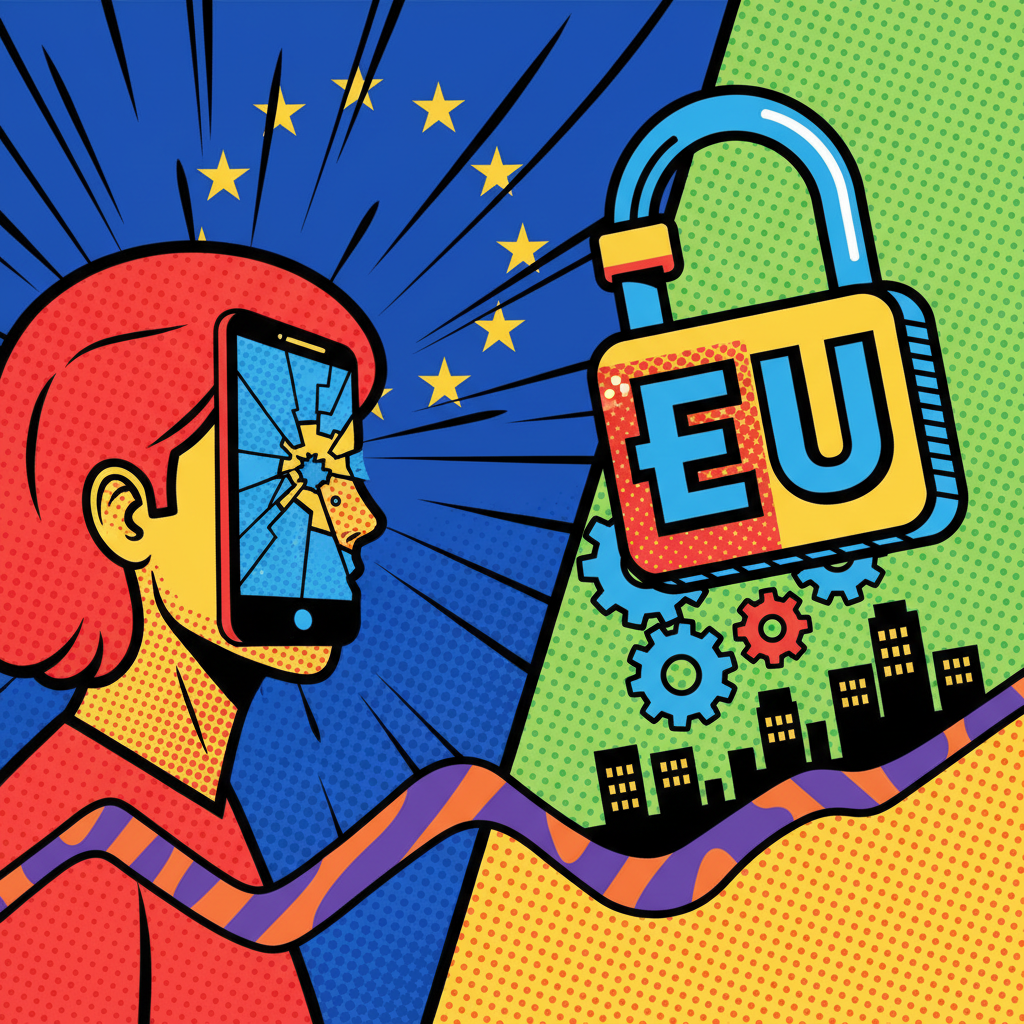
The UK's under-16 social media ban may give parents false reassurance while leaving key risks like private messaging and gaming platforms unresolved. Experts urge active involvement over reliance on legislation.
You've probably heard the news: the UK is moving forward with a ban on social media for kids under 16. On the surface, it sounds like a win for parents everywhere. Who wouldn't want to shield their children from the endless scroll, the cyberbullying, and the pressure to be perfect online? It's a bold move, and one that many have been calling for. But here's the thing that's got experts worried: this ban might actually give parents a false sense of security.
### What the Ban Actually Does
The proposed legislation is straightforward on paper. It aims to restrict access to platforms like Instagram, TikTok, and Snapchat for anyone under 16. The idea is to create a safer digital environment for kids, reducing exposure to harmful content and predatory behavior. But when you dig into the details, it's not quite that simple.
- **Age verification**: The ban relies heavily on age verification technology, which is notoriously unreliable. Kids have been lying about their age online for years, and this won't stop them.
- **Enforcement**: Even if the tech works, enforcing the ban across all platforms is a massive challenge. Many companies are based outside the UK, making regulation tricky.
- **Parental responsibility**: The ban could shift the burden entirely onto parents, who might assume the government has solved the problem and relax their own monitoring.
### The Hidden Risks Experts Are Flagging
Here's where it gets complicated. Experts are warning that the ban could leave key online risks unresolved. Think about it: if parents believe their kids are safe because of the ban, they might stop having those crucial conversations about online safety. And kids, being kids, will find workarounds. They'll use a friend's account, a parent's phone, or a VPN. The result? They're still exposed to risks, but now without the guidance they need.
Another major concern is the focus on social media itself. While these platforms can be harmful, the real dangers often lurk elsewhere. Things like:
- **Private messaging apps**: WhatsApp, Signal, and Discord are popular with teens and have fewer safeguards.
- **Gaming platforms**: Roblox and Fortnite have chat features where predators can easily connect with kids.
- **The dark web**: A small but growing number of teens are exploring areas of the internet that are completely unregulated.
By zeroing in on social media, the ban might miss the bigger picture. It's like locking the front door but leaving the windows wide open.
### What Parents Should Actually Do
So, if a ban isn't the silver bullet, what is? The answer is less about legislation and more about connection. You can't just hand your kid a phone and hope for the best. You need to be actively involved.
- **Talk early and often**: Start conversations about online safety before you give them a device. Make it a regular topic, not a one-time lecture.
- **Use parental controls**: Most platforms offer built-in tools to limit screen time and filter content. Learn how to use them.
- **Stay curious**: Ask your kids what they're watching and who they're talking to. Don't snoop, but show genuine interest.
### The Bigger Picture for US Professionals
For those of us in the US watching this unfold, it's a cautionary tale. We're already seeing similar proposals here, like the Kids Online Safety Act (KOSA). While the intentions are good, the UK's experience shows that blanket bans can backfire. The real solution isn't about blocking access—it's about building digital literacy and trust.
As an e-commerce consultant, I see parallels in how we approach online safety for businesses. You can't just slap on a security tool and call it a day. You need ongoing training, clear policies, and a culture of awareness. The same goes for parenting in the digital age.
### Final Thoughts
The UK's under-16 social media ban is a step in the right direction, but it's not the final answer. It risks creating a false sense of security while leaving deeper issues untouched. For parents, the best defense is still an open dialogue and a healthy dose of skepticism. For professionals, it's a reminder that technology alone can't solve human problems. We need to stay engaged, stay informed, and keep asking the hard questions.