Experts warn the UK's under-16s social media ban may give parents a false sense of security while leaving key online risks unresolved. Here's what parents should actually do.
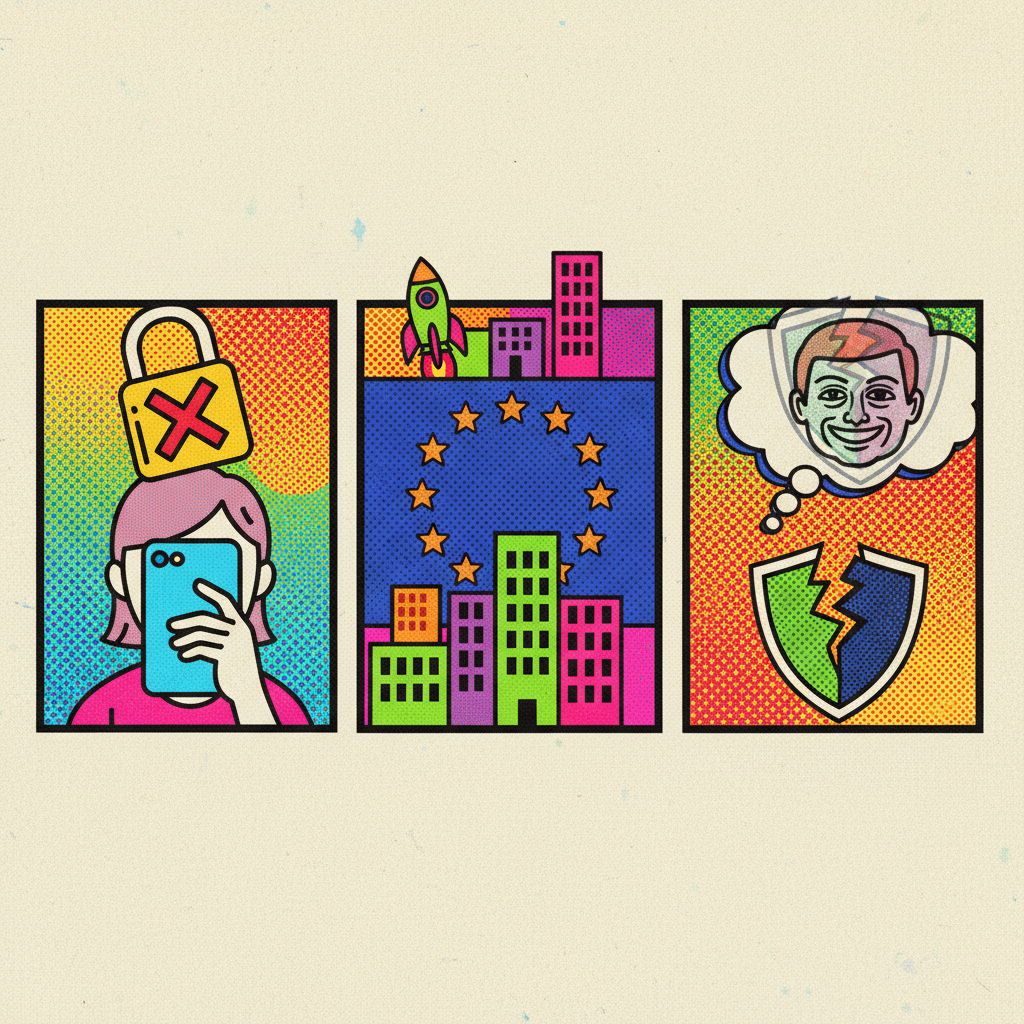
You've probably seen the headlines: the UK is moving to ban social media for anyone under 16. It sounds like a bold, common-sense move to protect kids online. But here's the thing experts are now cautioning: this ban might actually create a dangerous sense of false security for parents, while leaving the real risks untouched.
### Why the ban feels reassuring
On the surface, the idea is simple. Keep kids off platforms like Instagram, TikTok, and Snapchat until they're 16, and you shield them from cyberbullying, predation, and harmful content. It's the kind of policy that makes for great soundbites. And honestly, it's easy to see why a parent would breathe a sigh of relief.
But here's where it gets tricky. The ban doesn't address the underlying problems that make social media dangerous in the first place. It's like putting a bandage on a broken arm and calling it fixed.
### What the ban actually misses
Experts point to several key gaps that could leave kids just as vulnerable:
- **Enforcement is nearly impossible.** Kids are resourceful. They'll use a friend's account, a parent's phone, or a cheap burner device. The ban assumes tech companies can perfectly verify age, but we all know how easily kids bypass age restrictions today.
- **It ignores the platforms kids actually use.** The ban focuses on mainstream social media, but many kids have already migrated to encrypted apps like WhatsApp, Discord, or even gaming platforms like Roblox and Fortnite, where risks are just as high but regulation is weaker.
- **It doesn't teach digital literacy.** A ban tells kids "don't go there" but doesn't explain why or how to navigate risks when they inevitably do. Without education, they're left unprepared.
- **It creates a false sense of safety.** Parents might assume the ban means their child is safe, and therefore relax their own monitoring and conversations about online behavior. That's exactly the wrong move.
### What should parents actually do?
Instead of relying on a ban that's tough to enforce, experts suggest a more hands-on approach:
- **Talk early and often.** Have open conversations about what your child sees online, who they talk to, and how it makes them feel. Make it a regular habit, not a one-time lecture.
- **Set boundaries together.** Work with your child to set screen time limits and decide which platforms are appropriate for their age, rather than imposing blanket restrictions.
- **Use parental controls wisely.** Tools like screen time limits and content filters can help, but they're not a substitute for active involvement.
- **Teach critical thinking.** Help your child understand that not everything online is true, that people can pretend to be someone else, and that it's okay to walk away from a conversation that feels wrong.
### The bigger picture
The UK's under-16s ban is a well-intentioned move, but it risks being a headline-grabber rather than a real solution. The real work of keeping kids safe online is messy, ongoing, and requires more than a law. It requires parents, educators, and tech companies to work together in ways that a simple ban can't deliver.
So yes, the ban might make you feel better. But don't let that feeling replace the real work of staying engaged with your child's digital life. Because the risks aren't going away just because a law says they should.