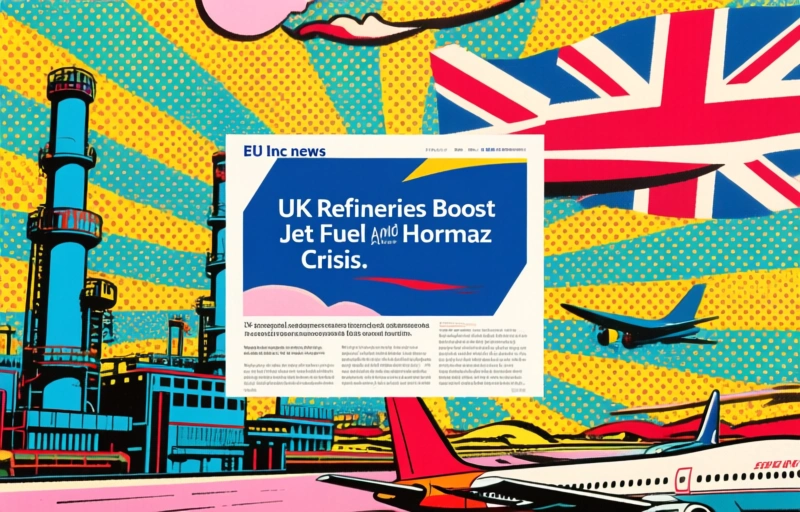
UK refineries boost jet fuel production as the government responds to Hormuz disruption. This move protects flights and keeps fuel available for travelers and airlines.
The UK government has asked refineries to maximize jet fuel production in response to disruptions in the Strait of Hormuz. This move is designed to keep flights running and fuel supplies stable, even as global tensions rise.
It's a smart, preemptive step. By boosting domestic output, the UK can reduce its reliance on imports that might be delayed or cut off. For airlines and travelers, that means fewer worries about sudden price hikes or cancellations.
### Why the Strait of Hormuz Matters
The Strait of Hormuz is a narrow waterway between the Persian Gulf and the Gulf of Oman. About 20% of the world's oil passes through it. When tensions flare there, like they have recently, the entire global fuel market feels the heat.
For the UK, this is especially important because a big chunk of its jet fuel comes from overseas. If that supply gets choked, airports could face shortages. That's why the government is acting now, not waiting for a crisis to hit.
### What Refineries Are Doing
UK refineries are ramping up production of jet fuel, which is a specific type of kerosene. They're shifting their output away from other products like diesel or gasoline to meet the urgent need.
- **Increased capacity**: Facilities are running at higher rates to produce more jet fuel.
- **Priority supply**: Airlines and airports get first dibs on the extra output.
- **Monitoring**: Officials are keeping a close eye on stock levels to avoid any gaps.
This isn't just a short-term fix. It's about building resilience into the system so the UK can handle future disruptions too.
### Impact on Travelers
For you, the passenger, this means your flight is less likely to be canceled due to fuel issues. Airlines can plan better, knowing there's a steady supply. And while fuel prices might still fluctuate, the government's action helps keep costs from spiking wildly.
Think of it like this: when a storm is coming, you stock up on supplies. That's exactly what the UK is doing here. It's better to have too much fuel than not enough.
### The Bigger Picture
This situation shows how connected our world is. A problem in the Middle East can affect flights in London within days. But it also shows how smart policy can soften the blow.
The UK's approach is a good model for other countries: don't just rely on imports, build local capacity. It's not about isolation, it's about being prepared.
> "We're taking proactive steps to ensure the UK's aviation sector remains resilient, no matter what happens globally." — Government spokesperson
### What's Next
Right now, the focus is on the short term: keep fuel flowing. But long term, the UK might invest more in domestic refining and alternative fuels. That would make the whole system less vulnerable to international shocks.
For now, though, the message is clear: UK refineries are stepping up, and that's good news for anyone who flies.