Trump's 2026 Tariffs Threaten LVMH and European Luxury…
Jan de Vries ·
Listen to this article~5 min
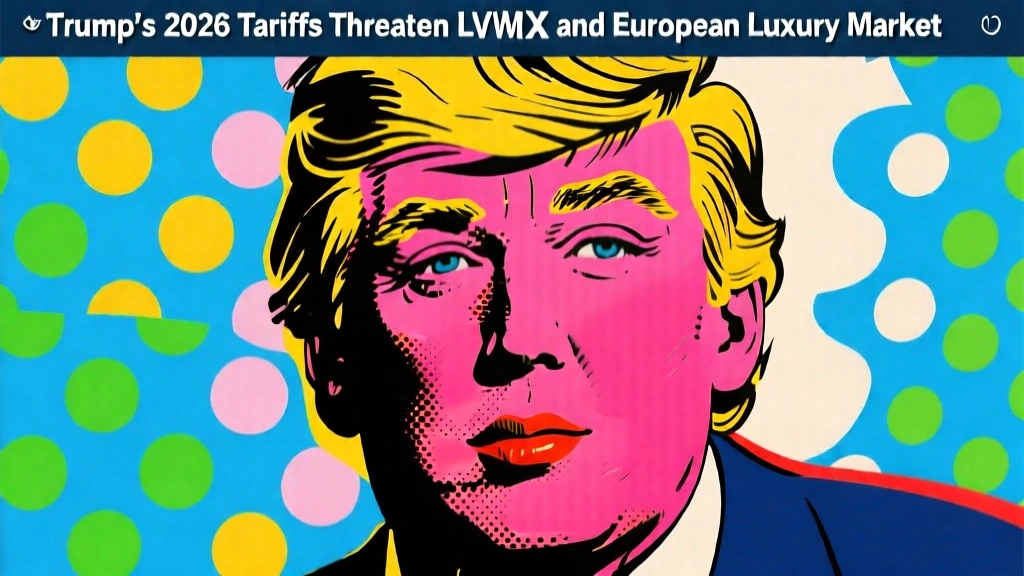
Potential 2026 tariffs could significantly impact European luxury brands like LVMH in their critical US market, potentially raising prices and reshaping consumer access to high-end goods.
Let's talk about something that's got the luxury world buzzing. You know that feeling when you're about to buy something special, and then you see the price has jumped? That's what might be happening on a massive scale for European luxury brands in the US. We're looking at potential 2026 tariffs that could change everything for companies like LVMH.
It's not just about handbags and champagne getting more expensive. This is about a whole ecosystem of craftsmanship, heritage, and global trade facing a serious challenge. When political decisions hit the luxury market, the ripple effects are felt from Parisian ateliers to American shopping districts.
### What's Actually Happening with These Tariffs?
The core issue revolves around proposed trade policies that could slap significant tariffs on European luxury goods entering the United States. We're talking about everything from Louis Vuitton bags to Dom Pérignon champagne. For brands under the LVMH umbrella—and really, the entire European luxury sector—the American market isn't just important. It's absolutely critical.
Think about it this way: the US represents the single largest market for many of these brands. When you're selling items that can cost thousands of dollars, even a 10% tariff adds up fast. That's money that could have been reinvested in craftsmanship, innovation, or simply kept the prices more accessible for loyal customers.

### Why This Matters for American Consumers
You might be wondering how this affects you. Well, if these tariffs go through, you'll likely see:
- Higher prices on your favorite European luxury items
- Potential delays in new collections reaching US stores
- Brands possibly reducing their US market focus
- Less variety and innovation available locally
It's not just about the ultra-wealthy either. Many Americans save for years to purchase that special European watch, bag, or piece of jewelry. These tariffs could make those dreams significantly harder to achieve.
### The Bigger Picture for European Brands
European luxury houses have spent decades building their American presence. They've invested in flagship stores on Fifth Avenue and Rodeo Drive, created US-specific marketing campaigns, and tailored products for American tastes. A major tariff shift doesn't just affect prices—it threatens these long-term relationships and investments.
One industry insider put it bluntly: "The American consumer has been the engine of growth for European luxury. Putting up barriers now would be like cutting off the fuel supply to that engine."
### What Could Happen Next?
The situation remains fluid, with negotiations likely continuing through 2025. Industry groups on both sides of the Atlantic are lobbying hard. Some possible outcomes include:
- Modified tariff structures that exempt certain product categories
- Phased implementation to give brands time to adjust
- Retaliatory measures from the European Union
- Brands absorbing some costs to maintain market share
What's clear is that everyone—from CEOs in Paris to sales associates in New York—is watching this situation closely. The decisions made in the coming months could reshape the luxury landscape for years to come.
### Navigating an Uncertain Future
For now, luxury brands are walking a tightrope. They need to prepare for potential cost increases while maintaining their brand prestige and customer relationships. Some are exploring:
- Increasing production in other regions
- Developing more affordable product lines
- Enhancing their digital and direct-to-consumer channels
- Strengthening their value proposition beyond just the product
The truth is, luxury has always been about more than just things. It's about experience, heritage, and emotion. While tariffs might affect prices, they can't tariff away the desire for beauty, craftsmanship, and self-expression. That human element—that's what these brands will need to lean into if the trade winds continue to shift.
So keep an eye on this space. Whether you're a collector, an occasional splurger, or just someone who appreciates fine things, what happens with these 2026 tariffs will tell us a lot about the future of global commerce, cultural exchange, and yes—where you'll be buying your next special purchase.