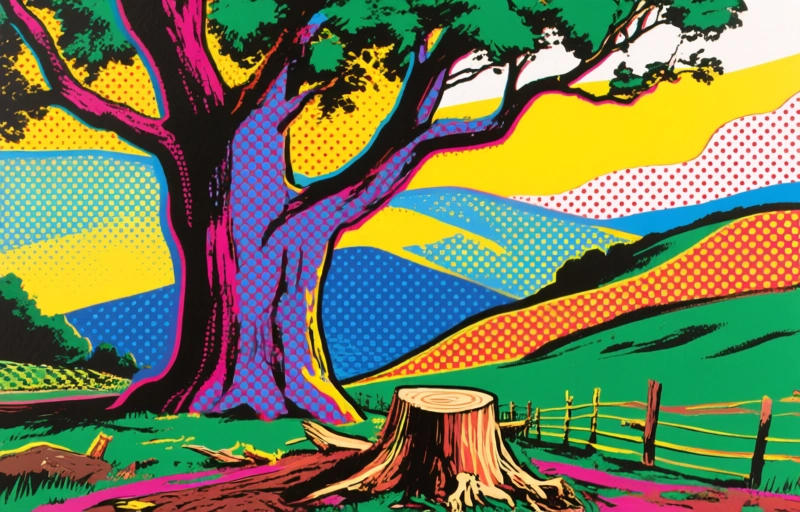
The felled Sycamore Gap tree is being transformed into a national sound and community artwork. Discover how this iconic landmark is getting a second life through music and memory.
When the Sycamore Gap tree was felled in 2023, it felt like losing an old friend. That iconic tree, which stood for centuries along Hadrian's Wall in northern England, was more than just a landmark. It was a symbol of endurance, a meeting point for hikers, and a backdrop for countless photographs. But now, there's a beautiful twist in this story. The tree is getting a second life as a national sound and community artwork project called the Sycamore Gap memorial.
This isn't just about preserving wood. It's about transforming what was lost into something that brings people together again. The National Trust, which cares for the site, has teamed up with artists and sound designers to create an experience that lets the tree "speak" once more. They're using recordings of the tree's own sounds—wind through its branches, birds nesting in it—and combining them with stories from the thousands of people who visited it over the years.
### What Happened to the Sycamore Gap Tree?
Back in September 2023, someone cut down the beloved sycamore tree that sat in a dramatic dip in the landscape. The act shocked the UK and made headlines worldwide. Police arrested two men in connection with the vandalism, but the damage was done. The tree, which was about 200 years old and stood roughly 50 feet tall, was gone in a single night. People left flowers, notes, and even planted new saplings nearby. It felt like a wound that wouldn't heal.
But the story didn't end there. Instead of letting the wood rot or get burned for firewood, conservationists decided to preserve it. They carefully removed the trunk and branches, storing them in a climate-controlled facility. Now, they're working with artists to turn that wood into something meaningful.
### The Sycamore Gap Memorial: A Tree That Speaks
Here's the cool part. The memorial project isn't just a statue or a plaque. It's an interactive sound installation. Artists are using the tree's actual wood to create instruments and sound sculptures. They're also collecting audio memories from people who visited the site. You might hear a wedding proposal that happened under its branches, a child's first climb, or the quiet rustle of leaves on a windy day.
- **Sound installations** will be placed at museums and galleries across the UK.
- **Community workshops** let people carve small keepsakes from the wood.
- **A digital archive** will store thousands of stories and sounds online.
The goal is to make the tree a living memory, not just a dead stump. As one artist put it, "The tree can't grow again, but it can sing."
### Why This Matters for Conservation
This project is a powerful example of how we can respond to loss. Instead of just mourning, we're creating. It's also a reminder that natural landmarks are worth protecting. The Sycamore Gap tree was free to visit, open to everyone, and loved by millions. Its destruction showed how vulnerable our shared heritage can be. But its rebirth shows how creativity can turn tragedy into hope.
For those of us who care about the environment and community spaces, this is a lesson. We can't always prevent damage, but we can choose how we respond. And sometimes, the response can be more beautiful than what was lost.
### How You Can Get Involved
If you want to be part of this, there are ways to contribute. The National Trust is accepting audio recordings of your memories of the tree. You can also attend a workshop if you're in the UK. And if you're not, you can follow the project online. The final installations are expected to launch in late 2025, with a permanent display at the site itself.
This isn't just about one tree. It's about how we hold onto the things that matter. And in this case, a felled tree is finding its voice again.