Swiss Startup LightSeeds Raises $175k for Vertical Solar Panels
Jan de Vries ·
Listen to this article~4 min
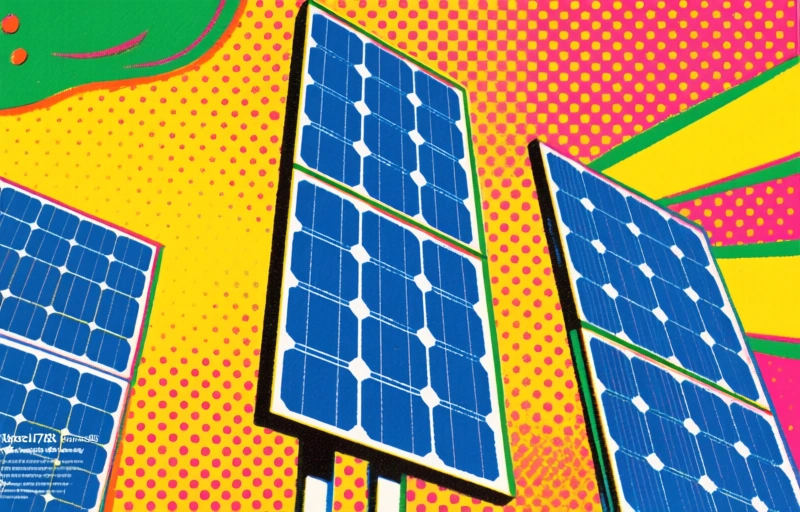
Swiss CleanTech startup LightSeeds secures $175k to commercialize its vertical solar panel system, targeting unused walls and infrastructure to unlock new solar energy potential.
Let's talk about a Swiss startup that's looking at solar power from a whole new angle—literally. LightSeeds, a CleanTech company based in Neuchâtel, just secured $175,000 from Venture Kick. This isn't just about money, though. It's about taking their vertical solar panel system from a promising idea to something you might actually see on buildings and infrastructure near you.
They're operating in this massive, fast-growing solar market, but they're not just putting panels on roofs. Their big idea? Turning all those unused vertical surfaces we walk and drive past every day into power generators. Think about the walls of warehouses, the sides of highways, or along railway lines. That's a lot of untapped real estate.
### Why This Funding Round Matters
Now, $175k might sound modest in the grand scheme of things. And it is, especially when you look at the bigger picture. In 2025-26, there's been a huge flow of cash into solar and clean energy. To give you some context:
- Solarock in Paris raised about $7.6 million for residential and small business solar.
- A Swiss company called enshift secured roughly $20 million.
- Other players like feld.energy and Alight raised tens of millions for different solar applications.
All together, we're talking over $94 million moving into this space. So LightSeeds' round is small, but it's strategic. It's that crucial early-stage cash meant to push a specialized technology out of the lab and into the real world.

### The Problem They're Solving
Here's the thing about traditional solar panels: they're heavy, they're fragile, and they're a pain to install. They rely on these bulky glass modules that can break easily. That makes them expensive and risky, especially if you're trying to mount them on a vertical surface. Who wants to put a fragile, heavy panel on the side of a busy highway?
As a result, we've got all this space—walls, sound barriers, industrial buildings—that just sits there. Meanwhile, the cost of installing and maintaining conventional systems keeps solar out of reach for many broader applications.
### LightSeeds' Lighter, Smarter Solution
This is where LightSeeds steps in. They've developed an ultra-light, unbreakable photovoltaic system designed specifically for vertical use. They got rid of the glass. Their solution combines these durable, glass-free modules with a smart, modular mounting system. The goal? Installation that's fast, requires minimal tools, and doesn't give installers a heart attack.
By cutting down the weight and eliminating the breakage risk, they're aiming to slash the total installation cost and the carbon footprint of the setup process. More importantly, they're opening up entirely new places where we can generate solar power, right in our urban environments.
"Venture Kick has been a key support for LightSeeds," says CEO Laure-Emmanuelle Perret. "Beyond the funding, the process helped refine the business model, validate the target market, and accelerate the move from technology to commercial deployment."
### The Road Ahead
Founded in 2024 by Perret and Pierrick Duvoisin—who together have over 30 years in photovoltaics and design—the company is building a team to scale this internationally. They're eyeing a massive market. We're talking a potential worth over $470 billion across infrastructure, industrial, and commercial uses.
Their plan is two-pronged: serve business clients like factories, warehouses, and installers (B2B), and also go after government projects for highways, railways, and city infrastructure (B2G). They already have projects cooking in Switzerland and are making early moves into other European markets.
It's a classic startup story: see a problem everyone else walks past, build a smarter solution, and get the funding to try and make it a reality. The vertical surfaces around us might just be the next frontier for clean energy.