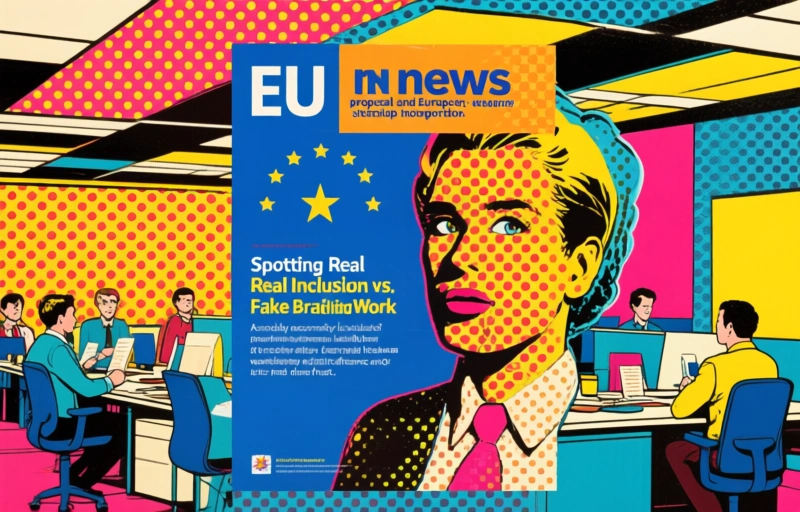
Employees quickly recognize performative inclusion, warning that symbolic diversity efforts weaken workplace trust. Learn how to spot the difference and build real change.
Employees are sharp. They can tell the difference between genuine inclusion efforts and shallow branding stunts. When companies push symbolic diversity without real change, trust erodes fast. This isn't just about feelings—it impacts retention, productivity, and your bottom line.
### The Cost of Performative Inclusion
Think of inclusion like a garden. You can't just plant a few flowers and call it a landscape. Real diversity requires consistent care, watering, and weeding out bias. When leaders announce new DEI initiatives but don't back them with action, employees see through it. A 2023 study found that 68% of workers believe their company's diversity programs are mostly for show. That skepticism isn't baseless—it's a warning.
- **Trust takes years to build, seconds to break.** Performative inclusion erodes confidence in leadership.
- **Retention drops.** Employees who feel tokenized are 40% more likely to leave within a year.
- **Productivity suffers.** When people feel like props, they disengage.
### What Genuine Inclusion Looks Like
Real inclusion isn't a hashtag. It's woven into daily operations. Here's what it involves:
- **Equitable pay.** Closing gaps without waiting for a crisis.
- **Inclusive hiring.** Removing bias from job descriptions and interview processes.
- **Mentorship.** Creating paths for underrepresented groups to advance.
- **Accountability.** Leaders who own mistakes and adjust.
One CEO I worked with shifted from annual diversity training to monthly listening sessions. Within six months, employee satisfaction scores jumped 22%. That's not magic—it's respect.
### Why Symbolic Efforts Backfire
Imagine a company that puts a rainbow flag on its logo but donates to politicians who oppose LGBTQ+ rights. Employees notice. They talk. And soon, that brand becomes a cautionary tale. The same applies to race, gender, and disability inclusion. When actions don't match words, you lose credibility.
> "Inclusion isn't a marketing campaign. It's a cultural commitment." — Jan de Vries
Research from Harvard Business Review shows that companies perceived as performative see a 15% drop in internal trust scores. That trust directly affects collaboration and innovation.
### Practical Steps for Leaders
If you're serious about inclusion, start small but think big:
- **Audit your policies.** Are they fair across all groups?
- **Listen actively.** Use anonymous surveys to get honest feedback.
- **Invest in training.** Not one-time workshops, but ongoing education.
- **Measure progress.** Track promotion rates, pay equity, and retention by demographic.
Remember, employees don't expect perfection. They expect honesty. When you mess up—and you will—own it. That builds more trust than a flawless facade.
### The Bottom Line
Inclusion is a long game. Quick fixes feel good but don't last. Focus on substance over symbolism. Your employees will thank you with loyalty, creativity, and hard work. And your brand will earn genuine respect—not just clicks.