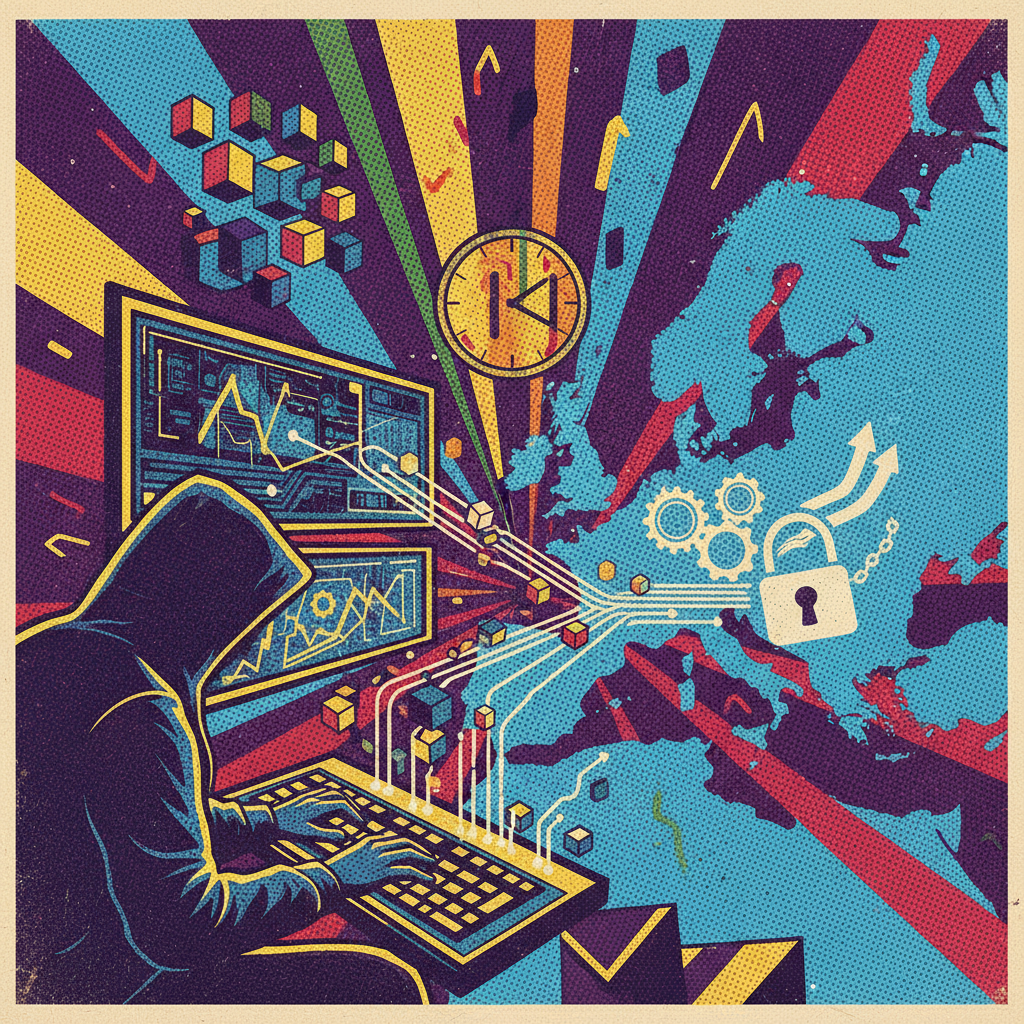
Cyber criminals are quietly entering business networks, collecting intelligence, and positioning for future attacks. Learn how sleeper-cell hackers operate and how to protect your data.
Cyber criminals are adopting a new, quiet strategy. Instead of launching immediate attacks, they're sneaking into company networks, collecting intelligence, and waiting. It's like a sleeper cell, but for data theft.
### The New Threat: Sleeper-Cell Hackers
These hackers don't just break in and steal everything at once. They take their time. They map out your systems, understand your defenses, and gather bits of information over weeks or months. The Information Security Forum (ISF) chief recently warned that this is a growing trend. The goal isn't to disrupt now, but to cause maximum damage later.
Think of it like a spy who infiltrates an organization, builds trust, and then waits for the right moment to strike. These attackers are patient. They're not after a quick score. They want long-term access to your most valuable data.
### How They Operate
- **Stealthy Entry:** They use phishing emails or exploit weak passwords to get a foothold.
- **Quiet Reconnaissance:** Once inside, they move slowly to avoid detection. They study network traffic, learn who has access to what, and identify critical data.
- **Data Harvesting:** They copy small amounts of data over time, so it doesn't trigger alarms. This could be customer lists, financial records, or intellectual property.
- **Positioning:** They plant backdoors and maintain access. When the time is right, they can launch ransomware attacks, leak data, or disrupt operations.
This approach makes them hard to spot. Traditional security tools often miss slow, low-and-slow attacks. The hackers are counting on that.
### Why Now?
The shift to remote work has expanded attack surfaces. More employees access systems from home networks, which are often less secure. Plus, companies are storing more data in the cloud, creating new vulnerabilities.
> "The threat is real, and it's growing," says the ISF chief. "Companies must change how they think about security."
The cost of a data breach in the United States averages over $9 million. For small and medium businesses, it can be devastating. A single attack can shut down operations for days or weeks.
### What You Can Do
Protecting against sleeper-cell hackers requires a proactive approach. Here are some steps:
- **Monitor Network Traffic:** Look for unusual patterns, like slow data transfers or connections to unknown servers.
- **Use Multi-Factor Authentication (MFA):** This adds a layer of protection. Even if a password is stolen, MFA can stop the attacker.
- **Train Employees:** Teach your team to spot phishing attempts. Human error is still the biggest risk.
- **Segment Your Network:** Keep critical data separate from general access. If hackers get in, they can't easily reach your most sensitive files.
- **Regular Security Audits:** Hire experts to test your defenses. Find weaknesses before attackers do.
### The Bottom Line
Sleeper-cell hackers are a serious threat. They're patient, persistent, and dangerous. But with the right security practices, you can reduce your risk. Don't wait for an attack to happen. Start protecting your data today.
Remember, the goal is to make your company a hard target. Hackers look for easy prey. If you make their job difficult, they'll move on to someone else.