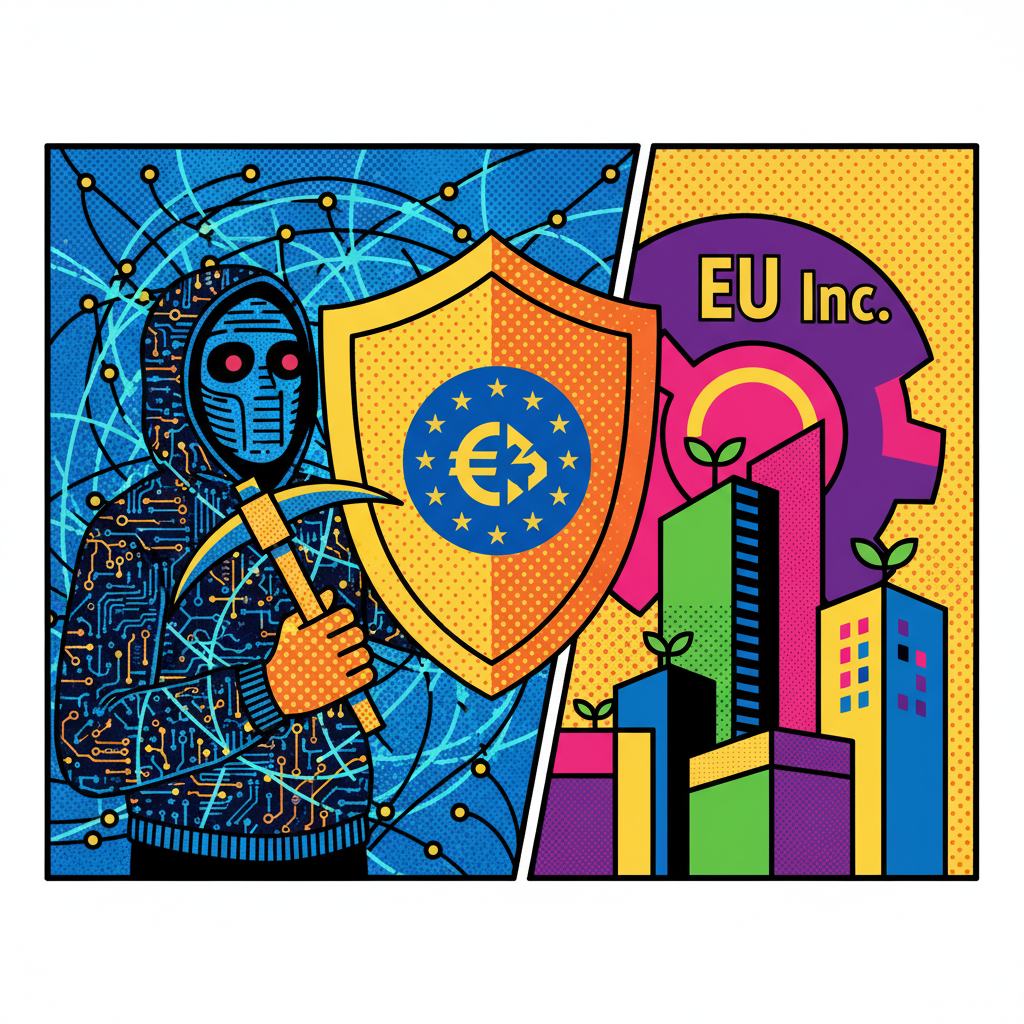
Hackers are using sleeper-cell tactics to hide inside corporate networks for months, gathering intelligence before launching attacks. Learn how to detect and defend against this growing threat.
You might think your company's network is secure. But there's a new threat that's harder to spot than a typical breach. Hackers are now using a sleeper-cell approach. They get inside your system and just... wait. They gather intel quietly, sometimes for months, before they strike. It's like having a spy living in your own house, watching your every move.
### The Quiet Before the Storm
These aren't your average drive-by attacks. Sleeper-cell hackers take their time. They study your patterns, your employees' habits, and your security gaps. They learn when you're most vulnerable. Maybe it's during a holiday weekend or a big product launch. They don't rush. They're patient because the payoff is bigger when they finally act.
Think of it this way: a burglar who breaks in while you're asleep is bad. But one who hides in your basement for weeks, learning your schedule, knowing when you leave for work and when you come back? That's worse. That's what's happening in corporate networks right now.
### Why Traditional Security Fails
Most security tools are built to catch obvious threats. They look for malware signatures or suspicious traffic spikes. But sleeper-cell hackers don't trigger those alarms. They use legitimate tools and credentials. They blend in. A security system that's looking for a monster won't notice a wolf in sheep's clothing.
- **No obvious malware**: They use stolen logins and standard software.
- **Slow movement**: They transfer data in tiny bursts to avoid detection.
- **Deep cover**: They hide in trusted systems like email servers or cloud storage.
This makes them incredibly dangerous. By the time you realize they're there, they've already mapped out your entire network.
### What This Means for Your Business
If you're in the United States, this threat is real and growing. Small and medium businesses are prime targets because they often have weaker defenses. A single breach can cost hundreds of thousands of dollars. And it's not just about money. It's about trust. Your customers expect you to protect their data.
Here's what you can do to protect yourself:
- **Monitor user behavior**: Look for unusual login times or data access patterns.
- **Limit access**: Only give employees the permissions they absolutely need.
- **Train your team**: Teach them to spot phishing attempts and suspicious activity.
- **Use multi-factor authentication**: It's a simple step that blocks many attacks.
### The Human Element
Remember, technology alone won't save you. Your people are your first line of defense. If an employee clicks a bad link, all your firewalls mean nothing. That's why regular training is key. Make it a habit, not a one-time thing.
And don't forget about your vendors. Hackers often target smaller partners to get into bigger networks. If you share data with third parties, make sure they're secure too.
### A Simple Analogy
Imagine your network is a house. You've got locks on the doors and alarms on the windows. But a sleeper-cell hacker is like a contractor who hides in the attic. They wait until you leave for vacation, then they come down and take everything. You'd never know until you got back.
That's why you need to think differently about security. It's not just about keeping people out. It's about knowing who's already inside.
### Final Thoughts
The threat landscape is changing. Hackers are getting smarter and more patient. But you can stay ahead by being proactive. Don't wait for a breach to happen. Start monitoring your network today. Talk to your team. Review your access controls. It might feel like extra work, but it's nothing compared to the cost of a real attack.
Stay vigilant. And remember, the best defense is a combination of good technology and even better habits.