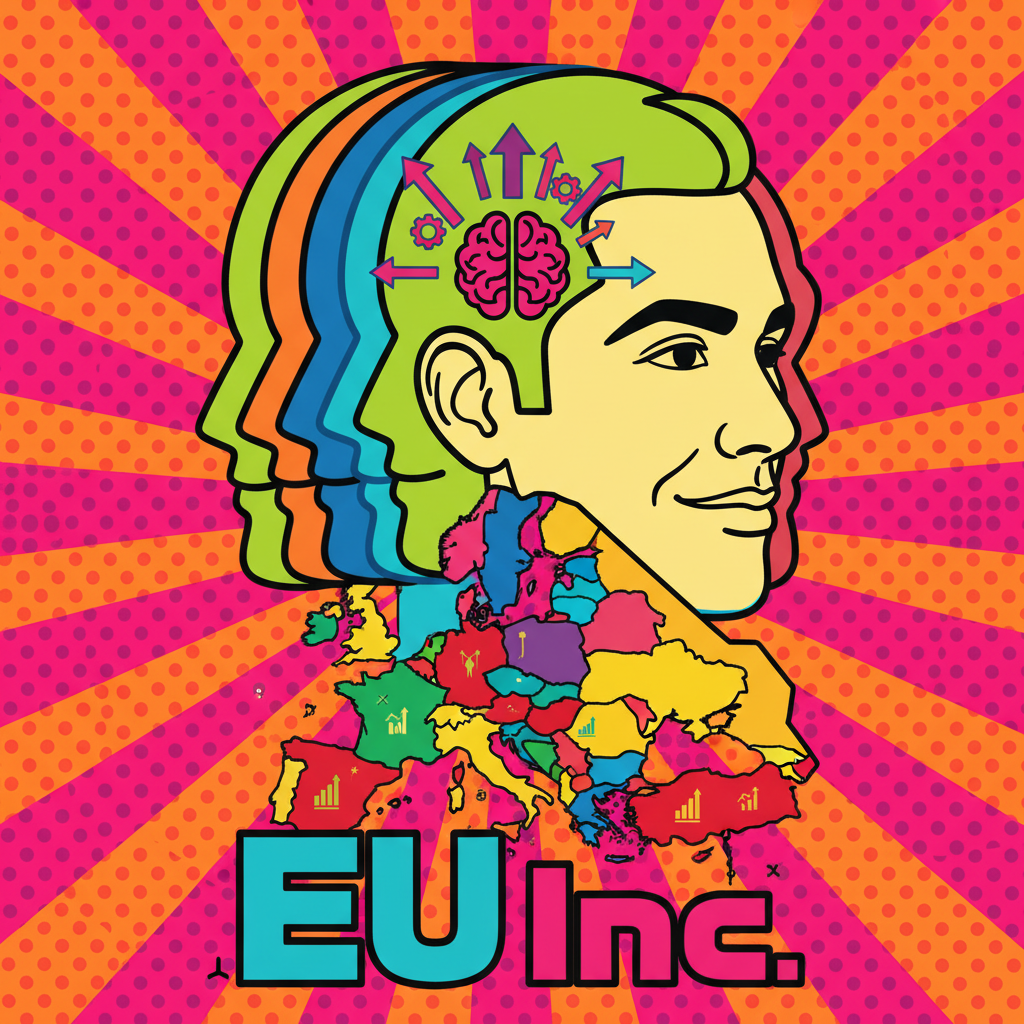
Discover why self-aware leadership is a hidden competitive advantage for European startups. Learn how honesty with yourself can boost profits, reduce turnover, and help you navigate the new EU Inc proposal.
### The Real Power of Self-Awareness in Business
You've probably heard the phrase "know yourself" a thousand times. But in the cutthroat world of startups and e-commerce, it's easy to push self-reflection aside. We're all busy chasing growth, metrics, and the next big thing. However, what if I told you that the most successful leaders I've worked with share one secret? They're brutally honest with themselves. This isn't about being soft. It's about building a foundation that can weather any storm.
When you're self-aware, you stop making the same mistakes twice. You see your blind spots before they become company-wide problems. And that's a superpower in any market, but especially for those of us navigating the complex European startup scene.
### Why European Founders Need This Now
Let's talk about the EU Inc proposal for a second. It's a big deal. It's designed to make incorporating a startup across borders simpler and cheaper. But here's the thing: a better legal structure won't fix a broken leadership team. The proposal is a tool, not a cure-all.
- **It reduces friction**, so you can focus on your product.
- **It lowers costs**, saving you thousands in legal fees.
- **But it doesn't teach you how to lead.**
That's where self-awareness comes in. It's the human element that turns a good business idea into a great company. Without it, you'll just scale your flaws faster.
### The Commercial Impact of Knowing Your Limits
Think about the last time a project failed. Was it the market? The competition? Or was it a decision you made because you were too proud to ask for help? I've seen founders burn through $500,000 in funding because they couldn't admit they didn't understand their own unit economics.
A self-aware leader, on the other hand, knows when to delegate. They know their strengths and, more importantly, their weaknesses. They build teams that fill those gaps. This isn't just good psychology; it's good business. Companies led by self-aware executives tend to have lower turnover, higher employee engagement, and better long-term profitability.
> "The most dangerous leadership myth is that leaders are born -- that there is a genetic factor to leadership. This myth asserts that people simply either have certain charismatic qualities or not. That's nonsense; in fact, the opposite is true. Leaders are made rather than born." - Warren Bennis
This quote hits home. Leadership is a skill you develop, and self-awareness is the first lesson.
### Practical Steps to Cultivate Self-Awareness
So, how do you actually get better at this? It's not about meditating for three hours a day. It's about small, consistent habits.
1. **Schedule a weekly review.** Block out thirty minutes every Friday. Ask yourself: What went well? What didn't? What was my role in both?
2. **Solicit honest feedback.** Create a safe space for your team to tell you the truth. Use anonymous surveys if you have to.
3. **Track your emotional triggers.** When you feel angry or defensive, pause. Ask yourself why. That split second of reflection can save you from a bad decision.
### The Bottom Line for Your Startup
Whether you're incorporating under the new EU Inc rules or sticking with your current structure, remember this: your business will never outgrow your ability to lead yourself. The market rewards clarity, not chaos. And clarity starts with looking in the mirror.
So take a breath. Look at your numbers, but also look at your own behavior. The commercial power of self-aware leadership isn't a buzzword. It's a competitive advantage that costs nothing but your willingness to be honest. And in today's fast-paced world, that might be the only edge you really need.