Ryanair's $50M Investment Boosts Scottish Air Travel
Jan de Vries ·
Listen to this article~4 min
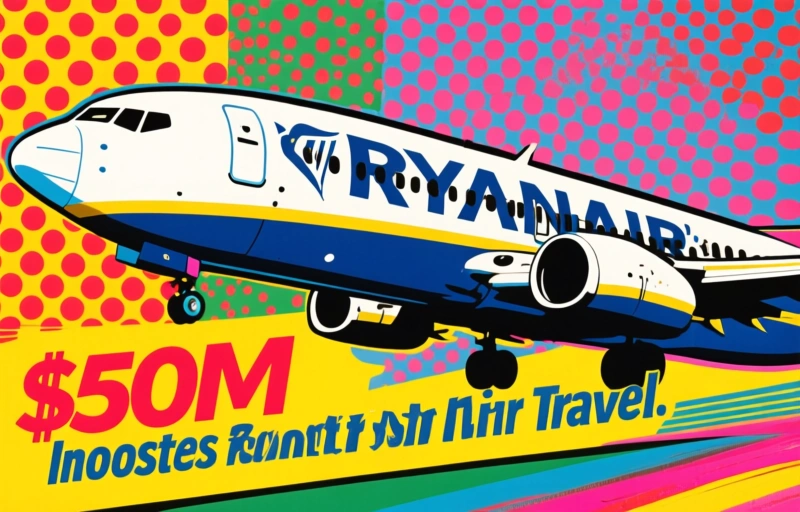
Ryanair's $50 million investment is transforming Scottish air travel and creating new opportunities for European business expansion. Learn what this means for market access and connectivity.
So, you've probably heard the buzz about Ryanair's big move in Scotland. It's not just another airline announcement—it's a $50 million investment that's genuinely reshaping how we think about air travel in the region. Let's break down what this means for travelers, businesses, and the broader European market.
Honestly, when a low-cost carrier like Ryanair puts down this kind of money, you know they're playing the long game. They're not just adding a few extra flights; they're building infrastructure, creating jobs, and fundamentally changing accessibility. For professionals looking at European markets, this kind of development signals opportunity.
### What This Investment Actually Means
Think about it this way: $50 million in airline investment translates to more than just shiny new planes. We're talking about expanded routes, improved airport facilities, and better connectivity between Scotland and key European hubs. For American businesses considering European expansion, improved air links mean easier travel for teams, simpler logistics, and more face-to-face opportunities with partners across the pond.
Here's what travelers and businesses can expect:
- Increased flight frequencies to major European cities
- Potential for new direct routes that didn't exist before
- Competitive pricing as capacity increases
- Improved airport experiences with upgraded facilities
It's one of those ripple effect situations—better air travel options boost tourism, which supports local economies, which creates more business opportunities. You can't really separate these elements when you're looking at market development.

### The Bigger Picture for European Business
Now, here's where it gets interesting for professionals. Ryanair's move isn't happening in isolation. It's part of a broader trend of investment in European transport infrastructure that's making cross-border business more feasible than ever. When you combine improved air travel with the relative ease of EU company formation, you've got a compelling case for international expansion.
As one industry analyst recently noted, "Transport investments like these lower the psychological and practical barriers to doing business across borders. They make Europe feel smaller and more accessible."
That's the real takeaway here. This isn't just about getting from Glasgow to Barcelona more easily. It's about how infrastructure investments create ecosystems where business can thrive. For American companies, it means European markets aren't as distant as they once seemed—both literally and figuratively.
### Connecting the Dots for Your Business
So what should you do with this information? First, recognize that market access is evolving rapidly. The barriers that might have stopped you from considering European operations five years ago are disappearing. Second, understand that timing matters—getting in as infrastructure improves can give you a competitive advantage.
Finally, remember that business expansion requires multiple pieces falling into place. Improved air travel is one piece. Understanding local regulations, finding the right partners, and navigating cultural differences are others. But when the transportation piece gets easier, the rest becomes more manageable too.
We're watching a new chapter unfold in European connectivity, and smart businesses will pay attention to how these developments create openings that didn't exist before. The question isn't whether Europe is accessible—it's how you plan to take advantage of that accessibility.