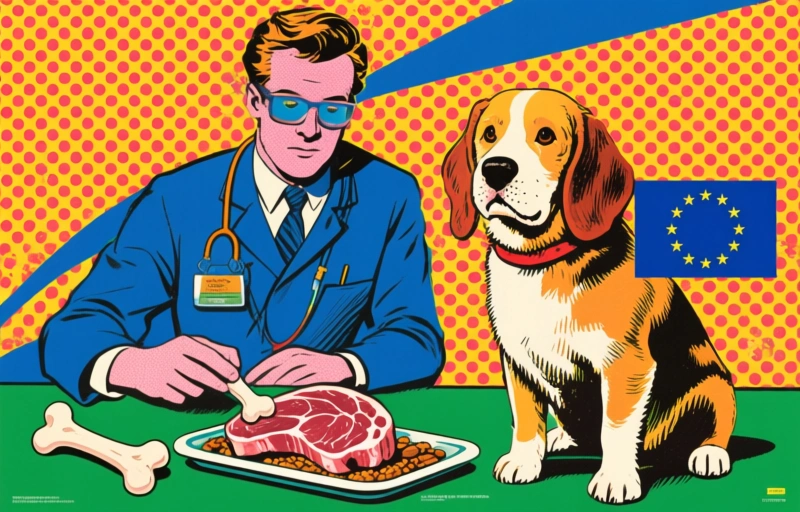
A zoologist explores whether raw meaty bones offer a healthier, more natural alternative to processed pet food diets, covering benefits, risks, and how to start safely.
You've probably seen the raw food trend taking over pet stores and social media feeds. It's hard to miss those shiny, happy dogs chomping on what looks like a drumstick from your kitchen. But is feeding our pets raw meaty bones actually good for them? Or is it just another fad that could land your furry friend in the vet's office?
I'm Jan de Vries, an e-commerce consultant who's spent years watching the pet industry evolve. And let me tell you, the raw diet movement isn't just hype. It's rooted in some pretty solid science. But like anything worth doing, it comes with rules you can't ignore.
### What Are Raw Meaty Bones?
Raw meaty bones (RMBs) are exactly what they sound like: uncooked bones with meat still attached. Think chicken wings, turkey necks, or beef ribs. The idea is simple: mimic what a wild canine or feline would eat in nature. No processing, no preservatives, just real food.
Here's the thing: cooking bones changes their structure. They become brittle and can splinter, which is dangerous. Raw bones, on the other hand, are pliable and digestible. That's a big difference.
### The Case for Going Raw
Proponents of raw feeding point to some pretty compelling benefits:
- **Dental health**: Chewing on raw bones acts like nature's toothbrush. It scrapes off plaque and massages gums. Vets often notice cleaner teeth in raw-fed pets.
- **Digestive health**: Raw diets tend to be less processed, which means more enzymes and nutrients stay intact. Some pets with sensitive stomachs thrive on it.
- **Shinier coats and healthier skin**: The natural fats and proteins in raw meat can make a real difference in how your pet looks and feels.
- **More energy**: Many owners report their pets seem more vibrant and playful on a raw diet.
But here's where it gets tricky. Not all bones are created equal. And not every pet is a good candidate for raw feeding.
### The Risks You Need to Know
Let's be real for a second. Raw meaty bones aren't risk-free. Here are some things to consider:
- **Bacterial contamination**: Raw meat can carry Salmonella or E. coli. That's a risk for your pet, and for your family, especially if you have young kids or elderly people at home.
- **Choking hazards**: Bones that are too small or too hard can cause blockages or fractures. Always supervise your pet when they're chewing.
- **Nutritional imbalance**: A raw diet needs to be balanced. Just throwing a chicken leg in the bowl won't cut it. You need variety and sometimes supplements.
A zoologist once explained it to me like this: "Think of it as a spectrum. On one end, you have ultra-processed kibble. On the other, a perfectly balanced raw diet. Most pets do best somewhere in between, with guidance from a professional."
### How to Start Safely
If you're thinking about switching your pet to a raw diet, here's a practical roadmap:
1. **Talk to your vet first**. Get a health check and discuss your pet's specific needs.
2. **Start slow**. Introduce raw bones gradually, maybe one type at a time.
3. **Choose the right size**. A bone should be big enough that your pet can't swallow it whole.
4. **Practice good hygiene**. Wash your hands and surfaces thoroughly after handling raw meat.
5. **Monitor your pet's response**. Look for changes in stool, energy, and coat quality.
### The Bottom Line
Raw meaty bones can be a fantastic addition to your pet's diet, but they're not a magic bullet. They require thought, preparation, and a willingness to learn. If you're willing to put in the work, you might just see your pet thrive in ways you never expected.
Remember: your pet depends on you for their health. So take the time to research, ask questions, and make informed choices. That's what responsible pet ownership looks like.