Private Aviation's Green Gap: Promises vs. Reality
Jan de Vries ·
Listen to this article~4 min
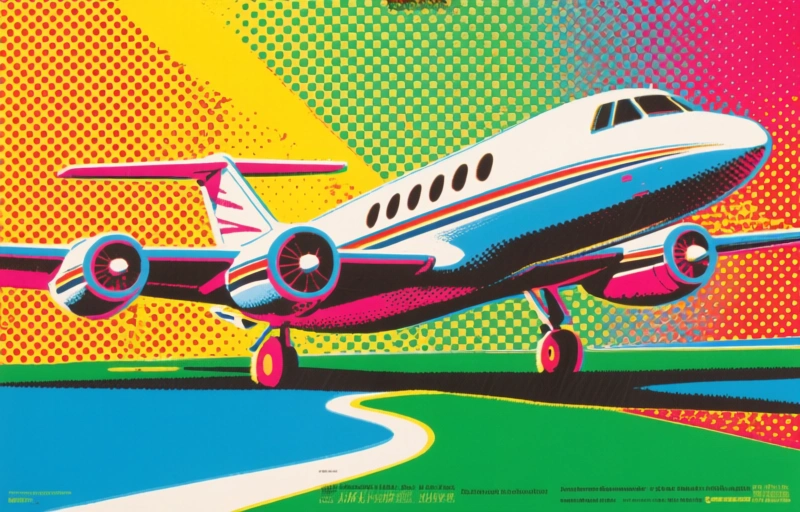
Kevin Singh explores the significant disconnect between the sustainability pledges made by the private aviation industry and the operational and economic realities faced by businesses today.
Let's talk about private jets and green promises. You've probably seen the headlines—big pledges about sustainable aviation fuels and carbon neutrality. But when you peek behind the curtain, there's a gap. A pretty wide one, honestly. Kevin Singh's been looking at this exact tension, and it's worth unpacking.
It's not that the industry isn't trying. They are. But there's a difference between announcing a goal and actually changing how thousands of planes operate every single day. That's the unfinished conversation we need to have.
### Where The Pledges Fall Short
The commitments sound great in press releases. "Net-zero by 2050" or "100% sustainable fuel adoption." The problem? The operational reality on the tarmac often tells a different story. The technology for truly green, large-scale private aviation isn't quite here yet, and the infrastructure to support it is even further behind.
Think about it like this: promising an electric car is easy. Building the nationwide network of charging stations is the hard part. That's where private aviation is stuck right now.
- **Fuel Supply:** Truly sustainable aviation fuel (SAF) is scarce and expensive. We're talking about supply that meets a tiny fraction of global demand.
- **Fleet Turnover:** Private jets have long lifespans. A plane bought today might still be flying in 2040. Retrofitting or replacing them is a slow, costly process.
- **The Cost Factor:** Going green isn't cheap. The price premium for sustainable operations gets passed down, and not every client or company is willing to pay it yet.
It creates a tricky spot for business and general aviation. They want to be responsible, but they also have to be realistic about what's possible right now, not just in 30 years.

### The Real-World Hurdles for Operators
So what's actually happening on the ground? If you run a charter company or manage a corporate fleet, your daily concerns are more immediate. Can you get the fuel? Will the plane perform the same? How do you explain the extra cost to your clients?
One operator put it to me bluntly: "We're caught between what's ideal and what's invoice-able." That's the realism shaping the industry today. The push for sustainability is real, but so are the logistical and financial walls.
This isn't about making excuses. It's about acknowledging the complexity. Changing an entire industry's energy source isn't like flipping a switch. It's a massive engineering and economic puzzle.
### What Does Progress Actually Look Like?
This is where the conversation needs to go next. Instead of just lofty end goals, we need to talk about the messy middle—the incremental steps.
Maybe it's investing in more efficient flight paths and ground operations to cut fuel use now. Perhaps it's accepting that a blend of traditional and sustainable fuel is a necessary bridge. Real progress might be less flashy than a "100% green" headline, but it's often more honest and achievable.
The goal shouldn't disappear. But the path to get there needs more attention. We need to celebrate the real, tangible reductions in emissions today, not just the promises for tomorrow.
That's the shift in thinking that could actually close the gap between pledge and practice. It's less about a perfect future and more about better choices we can make right now.