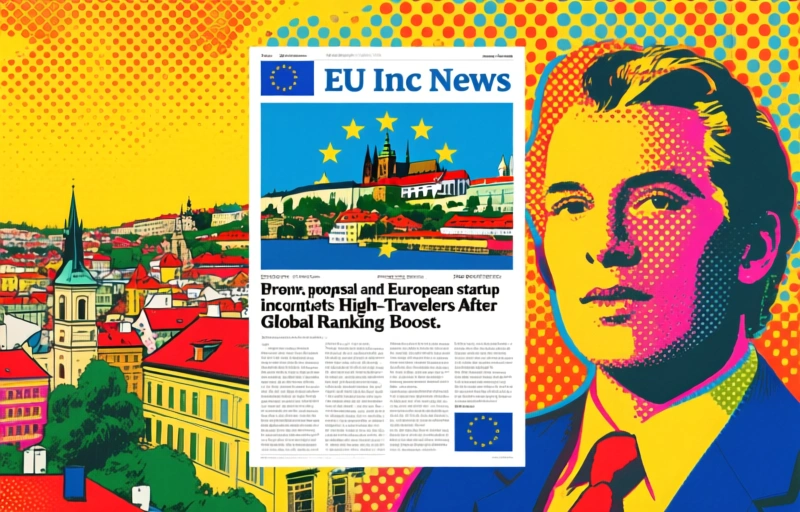
Prague is expanding its premium business tourism strategy after ranking among the world's top global meeting destinations. The city is targeting high-value business travelers with upgraded hotels and tailored experiences.
Prague is stepping up its game in the premium business travel space. The city just cracked the list of the world's top global meeting destinations, and it's not stopping there. Instead of resting on that win, Prague's tourism officials are doubling down on attracting high-spending business travelers.
This isn't just about more tourists. It's about the right kind of tourists—the ones who book luxury hotels, rent out conference halls, and spend big on fine dining. Think of it as a strategic pivot from volume to value.
### Why Business Travelers Matter More Than Ever
Business travelers spend way more than leisure tourists. On average, a corporate visitor drops about $300 per day in a city like Prague. That's for hotels, meals, transportation, and entertainment. Compare that to the typical vacationer spending around $150, and you see why cities compete hard for this crowd.
But it's not just about the money. Business travelers also bring long-term benefits:
- They create demand for premium services like private chauffeurs and high-end meeting spaces
- They often return for leisure trips after experiencing the city for work
- They spread word-of-mouth among their professional networks, attracting even more business events
Prague's new ranking puts it in the top 20 globally for congresses and conventions. That's a huge credibility boost. It tells event planners that the city has the infrastructure, accessibility, and appeal to host major gatherings.
### What Prague Is Doing Differently
The city isn't just waiting for business to come. It's actively reshaping its offerings. The strategy focuses on three key areas:
**1. Premium Hospitality**
Prague is upgrading its hotel inventory. Several new five-star properties have opened recently, including a luxury brand hotel near the Old Town Square. The goal is to provide the kind of accommodations that corporate executives expect—think concierge services, executive lounges, and state-of-the-art meeting facilities.
**2. Seamless Connectivity**
The city is investing in transportation infrastructure to make it easier for travelers to get around. That includes expanding the airport's direct flights to major U.S. and Asian hubs. Prague's central location in Europe already makes it a convenient stopover, but more direct routes mean less hassle for busy professionals.
**3. Tailored Experiences**
Beyond the standard conference package, Prague is curating unique experiences for high-value travelers. Think private tours of the Prague Castle after hours, wine tastings at local vineyards, or exclusive access to the city's underground medieval chambers. It's about creating memories that go beyond the boardroom.
### The Numbers Behind the Strategy
Prague's convention bureau reports that business tourism already accounts for about 15% of the city's total visitor spending. By targeting high-value travelers, officials aim to push that share to 20% within three years.
To put that in perspective, the average business traveler in Prague spends roughly $350 per day when including event fees and extras. A single five-day conference can inject over $1.7 million into the local economy. Multiply that by dozens of events per year, and you're talking real money.
### What This Means for U.S. Travelers
For American professionals, this shift is good news. It means more direct flights from cities like New York, Chicago, and Los Angeles. It also means better hotel options that cater to U.S. expectations—like fast Wi-Fi, in-room coffee makers, and English-speaking staff.
If you're planning a corporate event or a business trip to Europe, Prague just became a more compelling choice. The city offers the charm of old-world Europe with the convenience of a modern business hub. And now, it's actively rolling out the red carpet for professionals like you.
### The Bottom Line
Prague's focus on high-value business travelers is a smart move. It leverages the city's recent global ranking while building a sustainable tourism model that prioritizes quality over quantity. For business travelers, it means a better experience. For Prague, it means a stronger economy.
This is a win-win scenario, and it's one that other European cities will likely try to replicate. But for now, Prague has the momentum—and the strategy—to stay ahead.