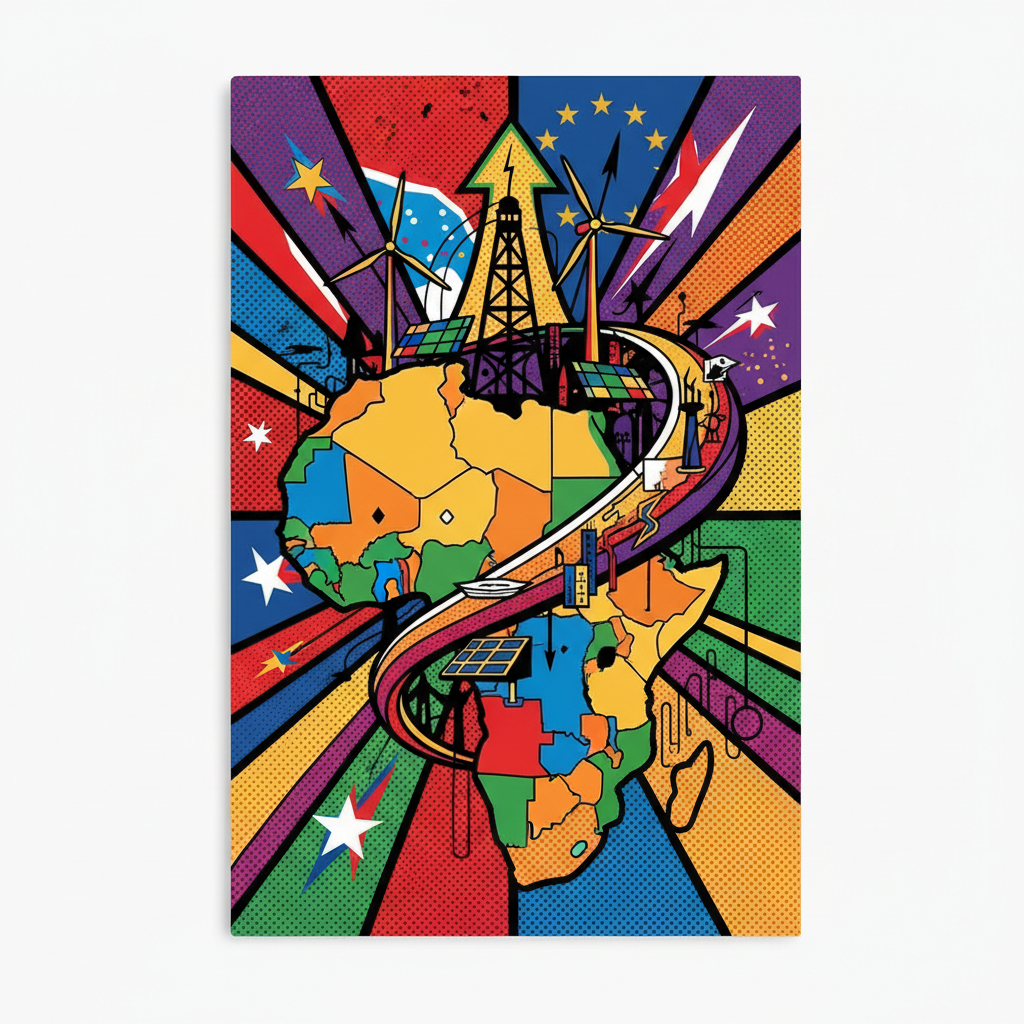
Tetracore Energy Group is expanding gas, power, and energy infrastructure across Africa, boosting industrial growth and energy security with integrated systems, natural gas investments, and decentralized power plants.
When you think about Africa’s energy landscape, it’s easy to picture a patchwork of challenges—unreliable grids, frequent blackouts, and limited access to clean fuel. But companies like Tetracore Energy Group are rewriting that story, one pipeline and power plant at a time.
Tetracore is expanding gas, power, and energy infrastructure across the continent, targeting industrial growth and energy security. Their work isn’t just about flipping a switch—it’s about building the backbone for economic transformation. Let’s break down what they’re doing and why it matters.
### The Big Picture: Why Integrated Energy Matters
Africa has some of the fastest-growing economies in the world, but energy access still lags. According to the International Energy Agency, over 600 million people across sub-Saharan Africa lack access to electricity. That’s roughly the entire population of North America living without reliable power.
Tetracore’s approach is integrated—meaning they’re not just focusing on one energy source. They’re combining natural gas, power generation, and distribution networks to create a seamless system. Think of it like building a highway system instead of just paving a single road. It’s more expensive upfront, but it connects more people and businesses in the long run.
### Natural Gas: The Bridge Fuel
Natural gas often gets overlooked in conversations about renewables, but it plays a crucial role in Africa’s energy transition. It’s cleaner than coal or diesel, and it’s abundant. Tetracore is investing in gas infrastructure—pipelines, processing facilities, and storage—to supply industries that need reliable, 24/7 power.
For example, a manufacturing plant in Nigeria might run on diesel generators today, costing $0.50 per kilowatt-hour. With natural gas, that cost drops to around $0.10 per kilowatt-hour. That’s a 5x savings, which can mean the difference between a business thriving or just surviving.
### Power Generation: Beyond the Grid
Tetracore isn’t just building pipelines. They’re also developing power plants that can operate independently of the national grid. This is huge for remote areas where the grid either doesn’t exist or is unreliable.
- **Decentralized power plants** can serve mining operations, industrial parks, and even entire communities.
- **Gas-to-power projects** convert natural gas directly into electricity, bypassing the need for long-distance transmission lines.
- **Hybrid systems** combine gas with solar or battery storage for added resilience.
One of their flagship projects is a 50-megawatt gas-fired plant in West Africa, capable of powering roughly 40,000 homes. That’s enough to light up a small city.
### Energy Security: More Than a Buzzword
Energy security means having power when you need it, at a price you can afford. For African nations, this is tied to everything from national security to public health. Hospitals can’t run ventilators during a blackout. Factories can’t operate without consistent electricity. And farmers can’t refrigerate their produce if the grid fails.
Tetracore’s infrastructure helps stabilize supply by diversifying sources. Instead of relying on one power plant or one fuel type, their network can reroute energy from gas to solar to battery storage as needed. It’s like having a backup generator for your entire country.
### The Economic Ripple Effect
Investing in energy infrastructure creates jobs—and not just during construction. When factories have reliable power, they can run 24/7. That means more production, more exports, and more employment. A 2023 study from the African Development Bank found that every $1 million invested in energy infrastructure generates about 30 direct jobs and 100 indirect ones.
Tetracore is also partnering with local governments and private companies to co-finance projects. This spreads the risk and ensures that the benefits stay within the community. For instance, a gas pipeline they’re building in Ghana will connect to a fertilizer plant, creating 500 permanent jobs and reducing fertilizer imports by 30%.
### Challenges They’re Navigating
It’s not all smooth sailing. Building large-scale infrastructure in Africa comes with hurdles:
- **Regulatory delays** can stretch project timelines by years.
- **Financing** is tricky—banks often see African energy projects as high-risk.
- **Logistics** are tough; moving heavy equipment across poor roads or through conflict zones is a daily challenge.
Still, Tetracore has a track record of delivering. They’ve completed projects in Nigeria, Ghana, and Côte d’Ivoire, often ahead of schedule. Their secret? Deep local knowledge and a willingness to work with communities from day one.
### What This Means for the Future
Africa’s energy future isn’t going to be built overnight. But companies like Tetracore are proving that integrated, gas-backed infrastructure can work. They’re showing that you don’t have to choose between growth and sustainability—natural gas is a stepping stone, not a dead end.
As more projects come online, the ripple effects will be felt across industries. From cheaper manufacturing to better healthcare, reliable energy is the foundation everything else rests on. And Tetracore is helping lay that foundation, one mile of pipeline and one megawatt at a time.