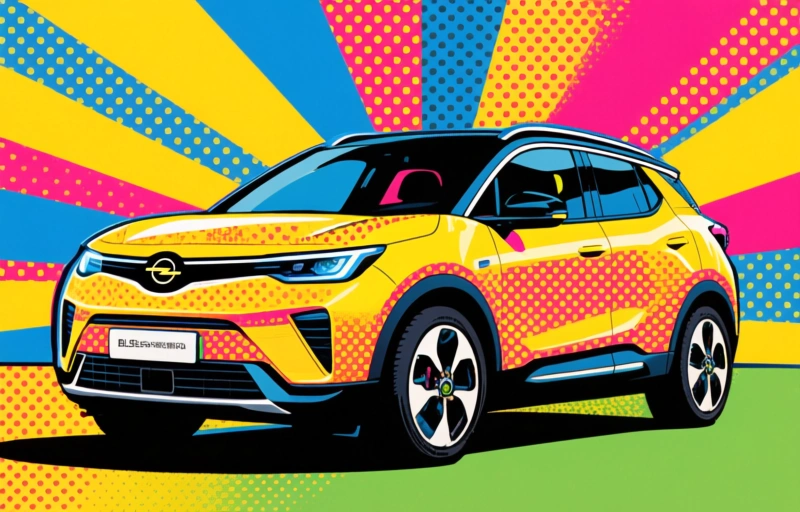
Opel will use Chinese EV technology from Leapmotor in a new electric SUV built in Europe, launching by 2028. This partnership aims to cut costs and speed up development.
Opel is taking a bold step in the electric vehicle (EV) market. The German automaker plans to launch a new electric SUV by 2028, and it will be built in Europe. But here's the twist: the core technology under the hood will come from China's Leapmotor.
This move reflects a growing trend in the auto industry. Traditional European carmakers are increasingly partnering with Chinese companies to speed up their EV development. For Opel, which is owned by Stellantis, this partnership is a way to stay competitive in a rapidly changing market.
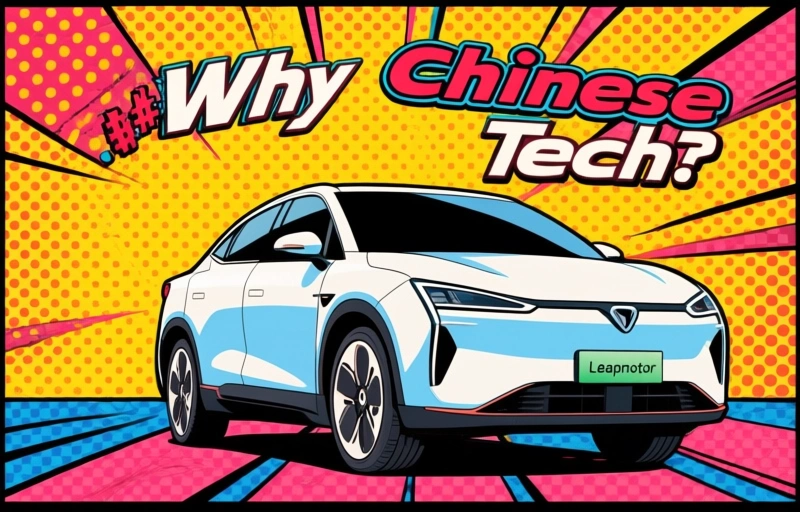
### Why Chinese Tech?
Leapmotor is a Chinese EV startup known for its innovative and cost-effective technology. By using Leapmotor's platform, Opel can save years of research and development. It also helps keep the final price down for buyers.
- **Cost savings:** Chinese EV tech is often cheaper than developing everything from scratch.
- **Speed:** It accelerates Opel's timeline to launch a competitive electric SUV.
- **Focus:** Opel can concentrate on design and European production, not on battery tech.
The SUV will be assembled at Opel's plant in Eisenach, Germany. This keeps jobs in Europe and uses the company's existing manufacturing expertise.
### What This Means for Buyers
For American audiences, this news might seem distant. But it matters. The global EV market is interconnected. If Opel can build a quality electric SUV at a lower cost using Chinese tech, it could pressure other automakers to follow suit. That could lead to more affordable EVs worldwide.
Think of it like this: you're buying a laptop from a famous brand, but the processor inside comes from a different supplier. You don't care who made the chip as long as the laptop works great. Same idea here. Opel is handling the design, safety, and driving experience. Leapmotor is providing the electric guts.
### The Bigger Picture
The auto industry is shifting fast. In 2023, Chinese companies like BYD and Leapmotor are becoming major players. They're not just selling cars in China anymore. They're supplying technology to Western brands.
This partnership is a smart move for Opel. It avoids the massive costs of building its own EV platform from the ground up. And it lets them launch a new model in a few years, not a decade.
### Potential Challenges
Of course, there are risks. Some consumers might be skeptical about Chinese technology in a European car. There are also concerns about data privacy and supply chain security. But Opel seems confident that the benefits outweigh the risks.
Another challenge is timing. By 2028, the EV market will be even more crowded. Tesla, Ford, and Hyundai are all pushing hard. Opel's SUV will need to stand out, not just rely on its tech partnership.
### Final Thoughts
Opel's decision to use Leapmotor's technology is a sign of the times. The EV revolution is forcing automakers to think differently. Sometimes that means looking across the globe for the best parts.
For now, we'll have to wait and see how this SUV turns out. But one thing is clear: the line between "Chinese" and "European" cars is getting blurrier by the day.
*Note: This article is for informational purposes only. We do not endorse any specific products or companies.*