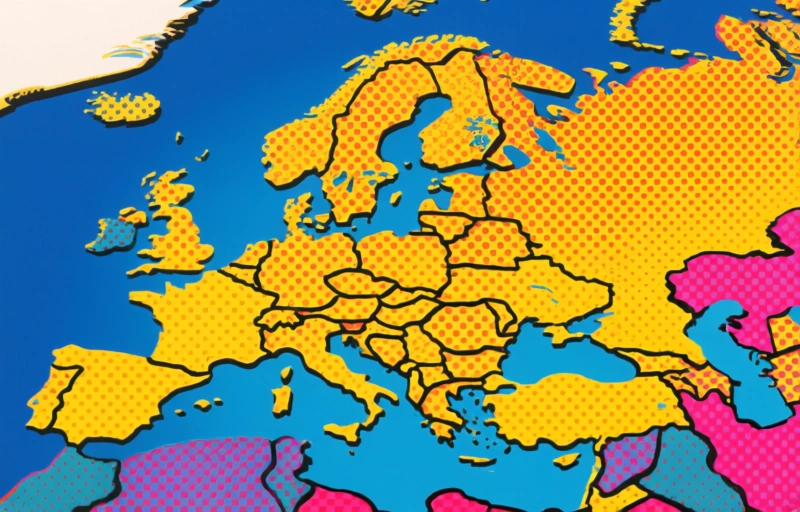
Ravi Balgobin Maharaj examines how deeper Nordic defense cooperation could create a powerful new force within Europe's evolving security architecture, reshaping the continent's defenses.
When we talk about Europe's security architecture, the conversation usually starts with the big players. But there's a quieter story unfolding in the north that could change the balance of power on the continent. Ravi Balgobin Maharaj takes a closer look at how deeper Nordic defense cooperation is turning into a formidable new force within Europe's evolving security landscape.
The idea isn't just about sharing a few tanks or coordinating patrols. It's about building something far more integrated—a system where each Nordic country brings its strengths to the table, creating a whole that's genuinely greater than the sum of its parts. And that's a shift worth paying attention to.
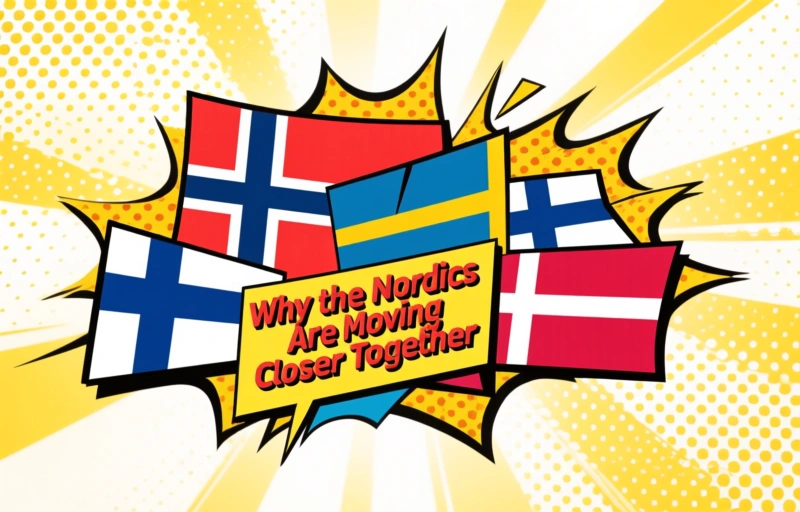
### Why the Nordics Are Moving Closer Together
The Nordic nations—Norway, Sweden, Finland, Denmark, and Iceland—have a long history of cooperation. But for decades, defense was largely a national affair. That's changing fast. The security environment in Europe has shifted dramatically, and these countries have realized that going it alone simply isn't enough anymore.
Finland and Sweden's decision to join NATO was a pivotal moment. It removed a major barrier to deeper collaboration. Now, with all five Nordic states on the same strategic page, they're able to plan, train, and operate in ways that were previously impossible. It's not just about politics; it's about practical, on-the-ground coordination.
### The Strengths Each Country Brings
One of the most interesting parts of this cooperation is how complementary the Nordic forces are. Each country has carved out a niche, and together they cover a lot of ground:
- **Norway** contributes a powerful navy and expertise in Arctic operations, crucial for monitoring the High North.
- **Sweden** brings advanced submarine technology and a robust domestic defense industry.
- **Finland** offers one of Europe's largest artillery forces and a deep understanding of territorial defense.
- **Denmark** adds significant air power and experience from international missions.
- **Iceland**, while lacking a standing army, provides vital strategic geography for air and maritime surveillance.
This isn't just a checklist of assets. It's about how these pieces fit together. A joint Nordic command structure could mean faster response times, shared intelligence, and more efficient use of resources. In a crisis, that kind of integration can make all the difference.
### The Bigger Picture for Europe
So, what does this mean for Europe as a whole? A stronger Nordic bloc could act as a stabilizing anchor in the north. It also sends a clear signal that smaller and mid-sized nations are willing to step up and take responsibility for their own security. That's a powerful message in a time when collective defense is being tested.
Of course, challenges remain. Budgets are always a concern, and political priorities can shift. But the direction is clear. The Nordics are no longer just neighbors who cooperate when it's convenient. They're building a security partnership that could genuinely reshape the continent's defenses.
As Maharaj's analysis suggests, this is a development that defense planners across Europe—and beyond—will be watching closely. The new power bloc in the north isn't just a concept anymore. It's becoming a reality, one exercise, one agreement, and one shared mission at a time.