Nigeria-Morocco Pipeline: Europe's $25 Billion Energy Fix
Jan de Vries ·
Listen to this article~4 min
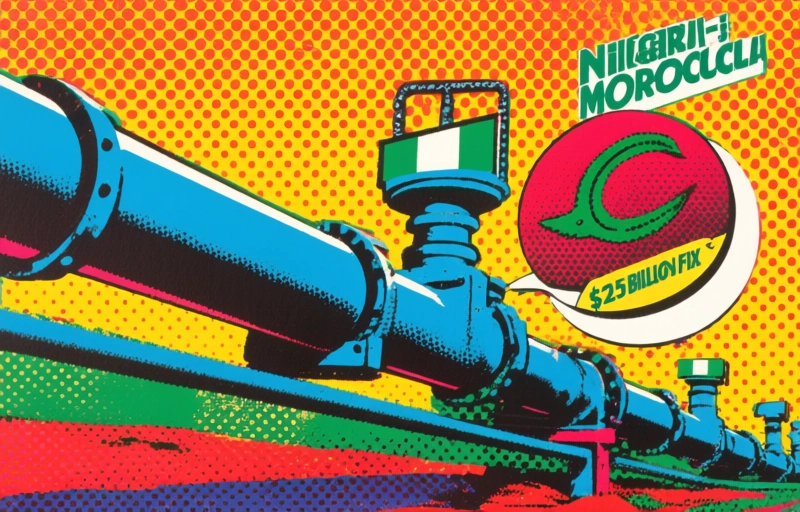
The $25 billion Nigeria-Morocco pipeline could transform Europe's energy landscape. Discover what this massive project means for US businesses eyeing the EU market and how it could lower costs and improve stability.
You've probably heard the buzz about the Nigeria-Morocco pipeline. It's a massive project, with a price tag of $25 billion, that could reshape how Europe gets its energy. But what does it actually mean for businesses and professionals in the US? Let's break it down in plain English.
### What's This Pipeline All About?
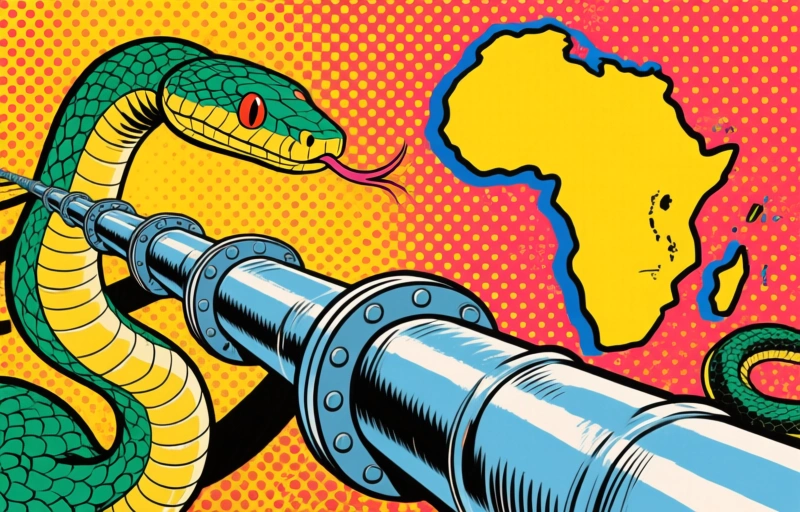
Imagine a 3,500-mile-long steel snake stretching from West Africa all the way up to Morocco, then crossing under the sea to Spain. That's the plan. It's designed to carry natural gas from Nigeria, through several African countries, and directly into Europe's energy grid.
This isn't just some small idea. It's one of the biggest infrastructure projects on the continent right now. The goal? To give Europe a reliable, long-term source of natural gas that isn't dependent on Russia. For US companies eyeing the EU market, this could mean more stable energy prices and a friendlier business environment.
### Why Should US Professionals Care?
If you're helping clients set up companies in the EU, energy costs are a huge factor. High energy prices eat into profits and make it harder for new businesses to get off the ground. A stable, affordable energy supply from Africa could change the game.
Here's what this pipeline could mean for your clients:
- **Lower operating costs:** Natural gas is often cheaper than other fossil fuels, which means lower utility bills for factories and offices.
- **More predictable pricing:** A long-term supply deal can smooth out the wild price swings we've seen in recent years.
- **Better ESG credentials:** Using gas from Africa can be framed as supporting development in the Global South, which looks good on sustainability reports.
- **Easier market entry:** Countries like Morocco and Nigeria are actively courting foreign investment. This pipeline makes them even more attractive for setting up regional headquarters.

### The Challenges Nobody's Talking About
Of course, a project this big doesn't come without headaches. We're talking about building a pipeline through some of the most unstable regions in the world. Think about security risks, political instability, and the sheer logistical nightmare of moving materials across thousands of miles of desert and jungle.
Then there's the environmental angle. Critics argue that investing in natural gas infrastructure locks us into fossil fuels for decades. For US companies with aggressive net-zero targets, that's a real concern. You might need to weigh the short-term benefits of cheaper energy against your long-term climate goals.
### What's the Timeline?
Right now, the project is still in the planning and feasibility stage. We're looking at years, maybe even a decade, before the first molecules of gas flow through those pipes. But the groundwork is being laid. Governments are signing agreements, and engineering firms are starting to do the detailed design work.
For US businesses, the smart play is to start watching now. If this pipeline becomes a reality, it will transform the energy landscape in Southern Europe and North Africa. Companies that position themselves early could have a serious advantage.
### The Bottom Line
The Nigeria-Morocco pipeline is more than just an energy project. It's a statement of intent. Europe is serious about diversifying its energy sources, and Africa is serious about becoming a major player in the global energy market.
For professionals like you, helping clients navigate this new reality is where the real value is. Understanding these big trends can make you a trusted advisor, not just a service provider. So keep an eye on this one. It might just be the opportunity of the decade.
*This article is for informational purposes only and does not constitute professional advice.*