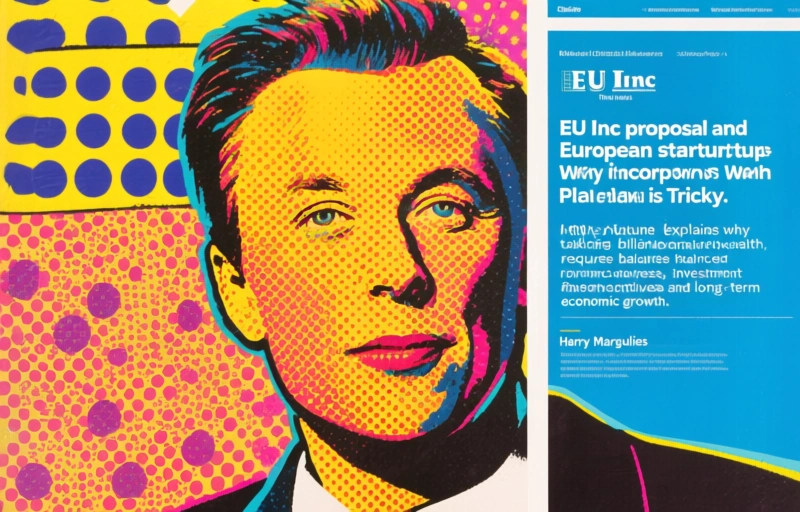
Harry Margulies explains why taxing billionaire wealth requires balancing fairness, investment incentives and long-term economic growth.
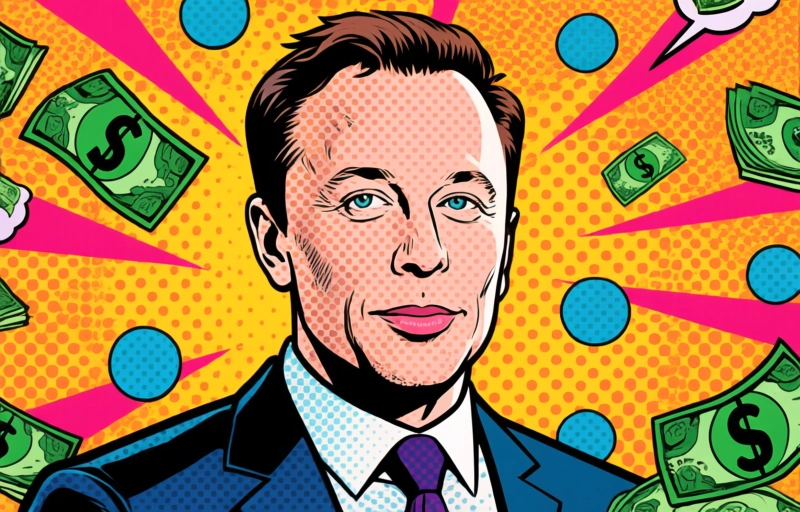
When you look at Elon Musk's net worth, it's easy to see why taxing billionaire wealth sounds appealing. The guy's fortune recently hit $1 trillion. That's a number so big it's almost impossible to wrap your head around. But as Harry Margulies points out, actually taxing that kind of wealth is way more complicated than it seems on the surface.
### The Core Problem with Wealth Taxes
The idea is simple: take a small percentage of what billionaires own and use it for public good. Sounds fair, right? But here's the thing — most of that wealth isn't sitting in a bank account. It's tied up in stocks, companies, and investments. When you try to tax unrealized gains, you're essentially asking someone to pay taxes on money they haven't actually made yet.
Think of it like this: imagine you own a house that went up in value. You haven't sold it, so you don't have the cash. But the government says you owe taxes on that increase anyway. That's the kind of situation we're talking about with billionaires and their companies.
### Why Investment Incentives Matter
Billionaires like Musk didn't get rich by hoarding cash. They built companies that create jobs, develop new technologies, and drive economic growth. When you tax wealth too aggressively, you risk killing the incentive to invest and innovate. It's a delicate balance.
Consider what happens when a wealth tax is implemented:
- Investors might move their money to countries with friendlier tax laws
- Entrepreneurs could be less willing to take big risks
- Companies might hold back on expansion plans
- Innovation could slow down as capital becomes harder to access
These aren't just theoretical concerns. We've seen countries try wealth taxes before, and many ended up repealing them because they didn't work as intended.
### The Fairness Question
On the flip side, there's a real argument for fairness. When someone has more money than they could spend in a thousand lifetimes, and regular people struggle to pay for healthcare or education, something feels off. The gap between the richest and everyone else keeps growing, and that creates social tension.
The key is finding a way to address that inequality without breaking the system that created the wealth in the first place. It's not an easy problem to solve, and there are no perfect answers.
### What This Means for Europe
The EU Inc proposal is one attempt to tackle this issue. It aims to create a simpler framework for startups and investors across Europe, which could help balance the scales. By making it easier to start and grow businesses, the hope is that more wealth gets distributed more widely.
But even with good intentions, tax policy is never straightforward. Every change has ripple effects that are hard to predict. What works in theory might fail in practice.
### The Bottom Line
Musk's fortune is a symbol of how modern wealth works. It's not about cash — it's about ownership, potential, and risk. Taxing that kind of wealth requires understanding all those layers. We need policies that are fair but also smart enough to keep the economy moving.
For now, the debate continues. And as billionaires keep getting richer, it's a conversation that isn't going away anytime soon.