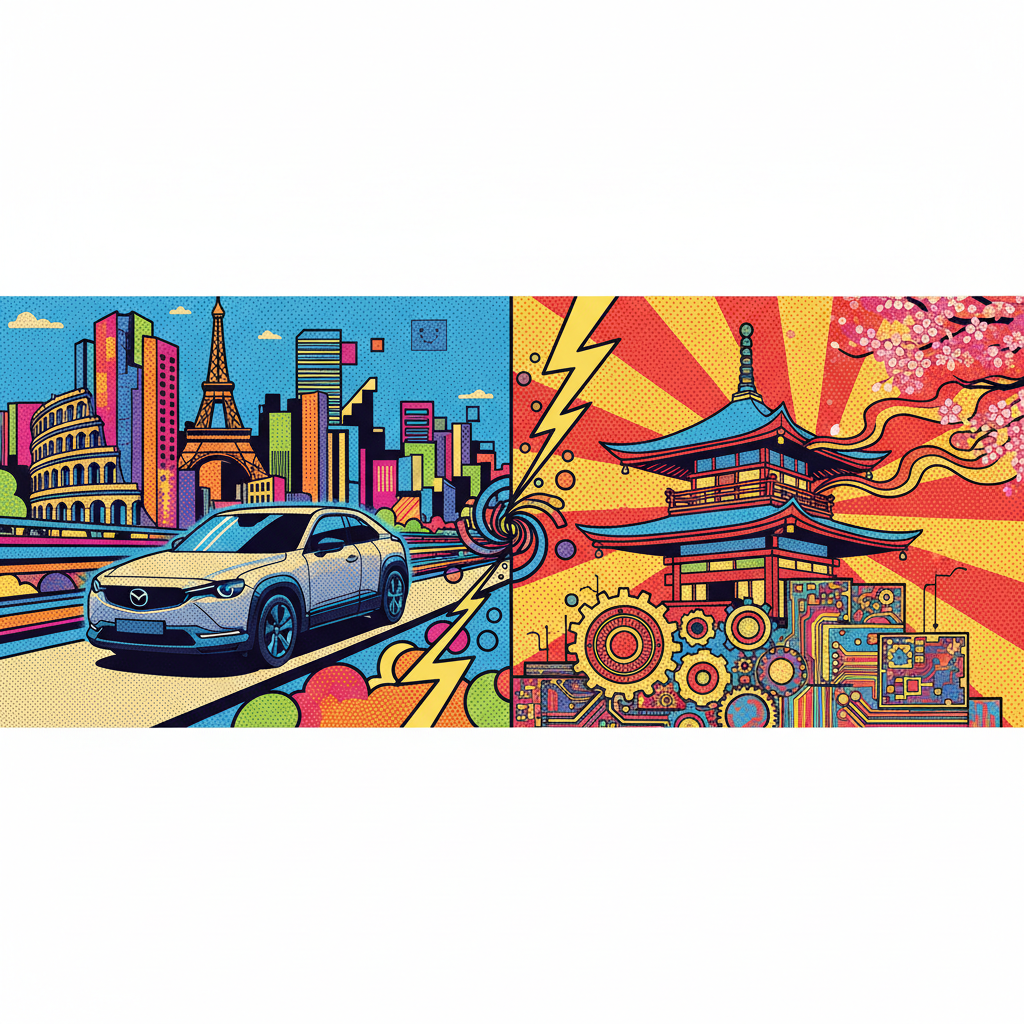
Mazda blends Japanese design philosophy with electric vehicle technology, creating EVs that are not only efficient but also fun to drive. Discover how Kodo design and Monotsukuri craftsmanship give Mazda a unique edge in the U.S. market.
Mazda has always marched to its own beat. While other automakers chase range numbers and 0-to-60 times, Mazda focuses on something deeper: the way a car makes you feel. Now, with its electric vehicles, the company is proving that Japanese design philosophy isn't just about looks—it's a genuine competitive edge.
Mark G. Whitchurch dives into how Mazda blends tradition with innovation. And honestly, it's refreshing to see a brand stick to its roots while embracing the future.
### The Soul of Japanese Design
Mazda's design language, called Kodo—meaning "Soul of Motion"—has always been about capturing energy in motion. Even their EVs, which lack a roaring engine, still feel alive. The curves aren't just pretty; they're functional, reducing drag and improving efficiency.
Think of it like a well-tailored suit. It fits perfectly, moves with you, and makes you feel confident. That's what Mazda aims for with every model. They don't just slap on a grille and call it a day. Every line has purpose.
### Quality That Goes Beyond the Surface
Japanese manufacturing is famous for precision, but Mazda takes it a step further. Their plant in Hiroshima uses a philosophy called "Monotsukuri"—the art of making things with care and pride. This means tighter panel gaps, better paint jobs, and interiors that feel more premium than the price tag suggests.
For example, the Mazda MX-30 EV uses sustainable materials like cork and recycled fabrics. It's not just eco-friendly; it feels thoughtful. You can tell someone actually cared about the details.
### Driving Character That Stands Out
Most EVs feel like appliances. They're fast, quiet, and efficient, but they lack personality. Mazda's approach is different. They tune their EVs to respond like a sports car, with precise steering and a connected feel.
- **G-Vectoring Control Plus**: This system adjusts torque and braking to make cornering smoother. It's subtle, but you'll notice it on a winding road.
- **Weight distribution**: Mazda engineers obsess over balance, placing the battery low and centered for better handling.
- **Regenerative braking**: It's calibrated to feel natural, not jerky like in some competitors.
The result? An EV that's fun to drive, not just efficient. That's rare in this segment.
### What This Means for the U.S. Market
American buyers have been slow to embrace EVs, but Mazda's strategy could change minds. By focusing on design and driving feel, they're appealing to enthusiasts who might otherwise stick with gas cars.
Consider this: the average new car in the U.S. costs about $48,000. Mazda's EVs are priced competitively, often undercutting Tesla and luxury brands. You get Japanese reliability, stunning design, and a fun drive—all without breaking the bank.
### The Bigger Picture
Mazda isn't trying to be Tesla. They're not chasing the longest range or the fastest charging. Instead, they're proving that an EV can still have soul. That's a powerful message in a market flooded with cookie-cutter electric cars.
As more Americans consider going electric, Mazda offers a compelling option. It's not just about saving the planet; it's about enjoying the ride. And honestly, isn't that what driving should be about?