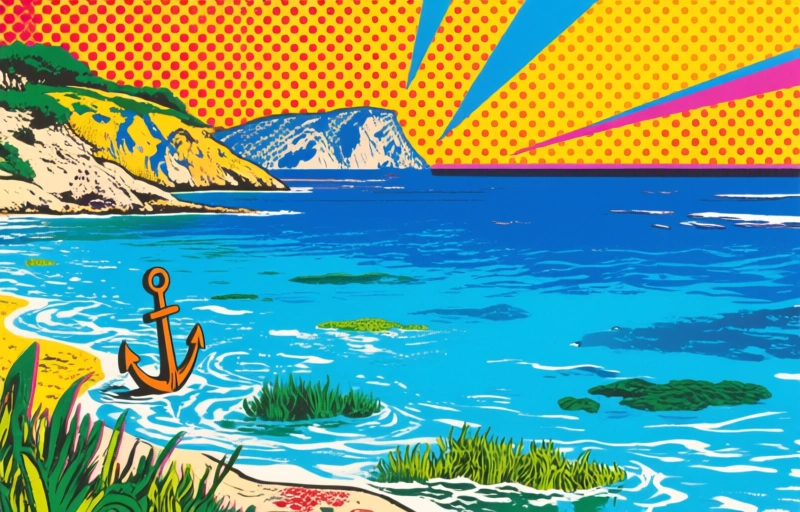
Mallorca balances mass tourism with marine protection, tackling pollution, anchoring damage and seagrass conservation across clear Mediterranean waters.
Mallorca is at a crossroads. The island's crystal-clear waters have drawn millions of tourists for decades. But now, the very thing that makes it so attractive is under threat. Pollution from boats, damage from anchors, and the loss of vital seagrass meadows are all piling up. It's a classic case of loving a place to death.
### The Balancing Act Between Tourism and Nature
Mallorca isn't rejecting tourism. That would be impossible. The island's economy depends on it. But the local government is getting serious about protecting the marine environment. They've introduced new rules to limit damage. It's a delicate dance, and they're learning as they go.
Here's what they're up against:
- **Pollution**: Waste from boats and coastal development seeps into the water.
- **Anchoring damage**: Heavy anchors rip up seagrass beds that have taken centuries to grow.
- **Overcrowding**: Too many boats in the same spots churn up sediment and stress marine life.
These aren't new problems. But they're getting worse. And the island is running out of time to act.
### Why Seagrass Is the Real Star
Seagrass might not look like much. But it's a powerhouse. One acre of seagrass can soak up as much carbon dioxide as a forest of the same size. It also provides a home for fish and keeps the water clear. When anchors tear it out, the whole ecosystem suffers.
Mallorca now has protected zones where anchoring is banned. Boats have to use mooring buoys instead. It's a small change with a big impact. The seagrass gets a chance to recover. And the water stays that beautiful blue everyone loves.
### New Rules on the Water
The government didn't stop at seagrass. They've also tightened rules on boat waste. All vessels must have holding tanks for sewage. Discharging it into the sea is now a serious offense. Fines can run into thousands of dollars. That's a strong deterrent.
There's also a push to cut down on single-use plastics on boats. Things like water bottles and food wrappers. It's not a cure-all, but it helps. Every little bit matters when you're trying to protect a fragile environment.
### The Human Side of the Story
Local fishermen have noticed the changes. Some say the fish are coming back. Others worry that the new rules make it harder to make a living. It's a mixed bag. But most agree that something had to be done. The old way wasn't working anymore.
Tourists are also adapting. Many are happy to use the mooring buoys. They understand that protecting the sea means they can keep coming back. It's a long-term investment in the place they love.
### What This Means for Other Destinations
Mallorca isn't alone in this fight. Coastal towns around the world are facing the same challenges. The difference is that Mallorca is actually doing something about it. The island's approach could be a model for others. It shows that you don't have to choose between tourism and nature. You just have to be smarter about how you manage both.
The Mediterranean is a tough place to make changes. There are so many competing interests. But Mallorca is proving that it's possible. The tide might finally be turning.