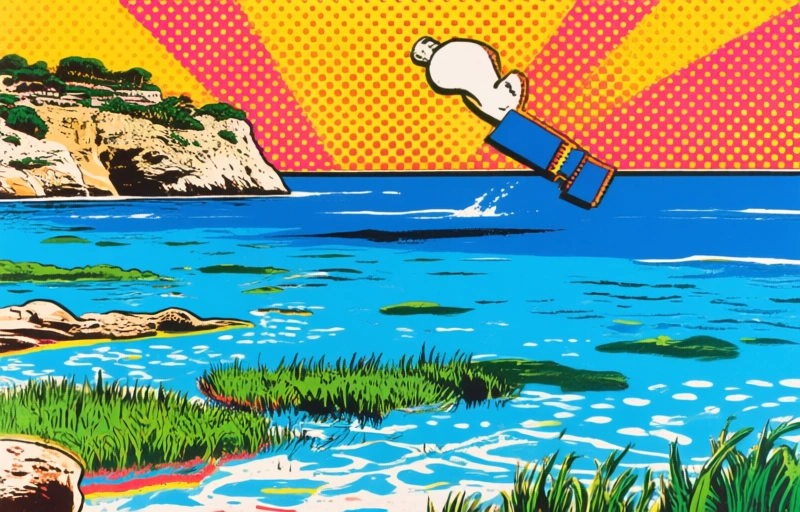
Mallorca fights to protect its clear blue seas from mass tourism by tackling pollution and anchoring damage, while conserving vital seagrass meadows.
Mallorca has a problem most places would envy: too many people want to visit its stunning beaches and crystal-clear waters. But that popularity comes at a cost. The island is now working hard to balance the needs of mass tourism with protecting its marine environment. It's a tricky balancing act, and the stakes are high.
Mallorca sits in the Mediterranean, where the water is famously clear and blue. But pollution from boats, damage from anchors, and the loss of seagrass meadows are threatening that beauty. The local government and environmental groups are stepping up to fight back. They're not just talking about it; they're taking real action.
### The Problem with Mass Tourism
Mass tourism brings money, sure. But it also brings crowds, waste, and wear and tear on the environment. In Mallorca, the summer months see millions of visitors flooding the coastline. That means more boats, more trash, and more pressure on the island's natural resources.
One of the biggest issues is pollution from boats. Many vessels dump waste or leak fuel into the water. Over time, this builds up and harms marine life. The water might look clean from a distance, but up close, the damage is real.
### Protecting Seagrass Meadows
Seagrass might not sound exciting, but it's a big deal for the ocean. These underwater meadows act like nurseries for fish, help keep the water clear, and even store carbon. In Mallorca, seagrass is especially important. It's one of the reasons the water looks so blue.
But anchors from boats can rip up seagrass beds. A single anchor can destroy years of growth. To fix this, Mallorca has started using special mooring buoys. These buoys let boats tie up without dropping anchor on the seagrass. It's a simple solution, but it makes a huge difference.
### Tackling Pollution Head-On
Pollution isn't just from boats. It also comes from runoff from hotels, restaurants, and homes near the coast. When it rains, chemicals and waste wash into the sea. This can cause algae blooms that turn the water green and smelly.
Mallorca is working to reduce this by improving wastewater treatment and encouraging eco-friendly practices. Some hotels are even switching to biodegradable products to cut down on pollution. It's a slow process, but every little bit helps.
### What This Means for Visitors
If you're planning a trip to Mallorca, you can help. Choose eco-friendly tours that use mooring buoys. Avoid using single-use plastics on the beach. And support businesses that care about the environment. Small changes add up.
The island is also cracking down on illegal anchoring. Fines can be steep, sometimes hundreds of dollars. So it's worth doing your homework before you drop anchor.
- Use designated mooring buoys to protect seagrass
- Avoid single-use plastics
- Support eco-friendly hotels and restaurants
- Follow local rules about waste disposal
### The Bigger Picture
Mallorca's fight isn't just about one island. It's a model for other tourist destinations facing the same problems. If they can balance tourism with conservation, others can too. The Mediterranean is a shared resource, and protecting it benefits everyone.
So next time you see a postcard-perfect beach, remember: keeping it that way takes work. Mallorca is showing that it's possible to have both beautiful seas and happy visitors. It just takes a little effort from everyone.
---
*This post was originally featured on The European Magazine.*