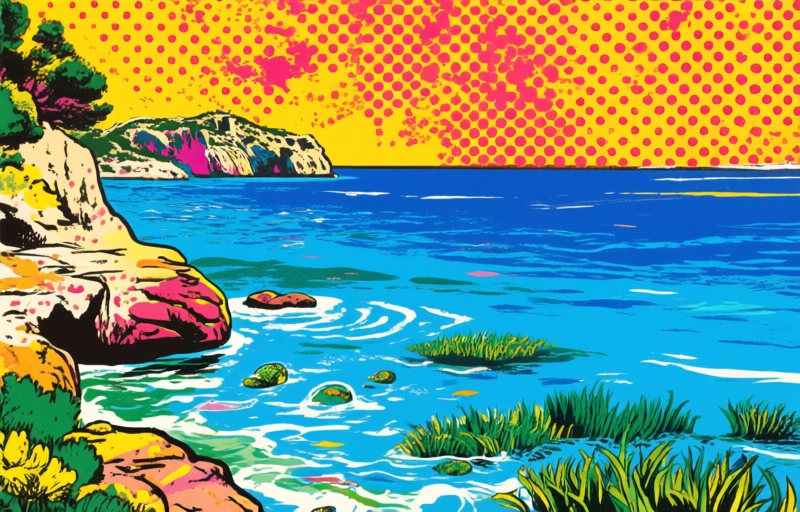
Mallorca balances mass tourism with marine protection, tackling pollution, anchoring damage and seagrass conservation across clear Mediterranean waters.
Mallorca is at a crossroads. The island's stunning Mediterranean waters have long drawn millions of visitors each year. But that popularity comes with a price. Pollution, damage from boat anchors, and threats to vital seagrass meadows are piling up. Now, local leaders are pushing back. They're trying to balance the economic benefits of tourism with real, on-the-ground marine protection. It's a tough act, but one that matters for the whole region.
### The Anchor Problem
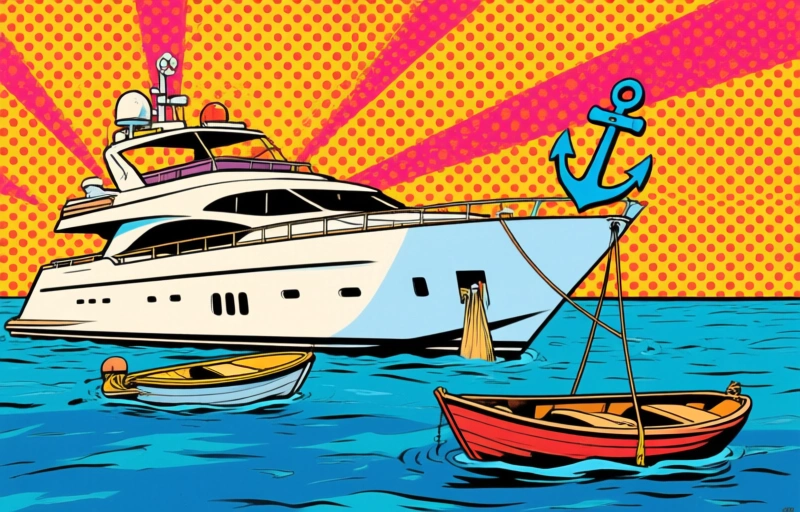
One of the biggest issues is anchoring. Big yachts and small boats drop their anchors right onto seagrass beds. These plants, called Posidonia oceanica, are crucial for the ecosystem. They produce oxygen, absorb carbon, and provide habitat for fish. But anchors rip them up. In some popular coves, the damage is severe. The local government has started to restrict anchoring in sensitive areas. They've installed mooring buoys so boats can tie up without dropping anchor. It's a simple fix, but it requires enforcement and education. Boaters need to know where they can and cannot go.
### Tackling Pollution from Land and Sea
Pollution is another big headache. Runoff from farms and towns carries chemicals into the sea. Plastic waste from tourists and locals alike ends up on beaches and in the water. Mallorca has invested in better wastewater treatment plants. They've also started banning single-use plastics in many coastal areas. Beach clean-ups are now regular events, often organized by local environmental groups. These efforts help, but they're just a start. The real challenge is changing habits. People need to think about where their trash goes and how their choices affect the ocean.
### The Role of Seagrass Meadows
Seagrass meadows are the unsung heroes of the Mediterranean. They cover large areas of the seafloor around Mallorca. These meadows store huge amounts of carbon, even more than forests on land. They also prevent coastal erosion by stabilizing sand and sediment. And they're nurseries for fish and other marine life. Protecting them is not just about saving a pretty plant. It's about keeping the whole ecosystem healthy. The government has designated some areas as Marine Protected Areas (MPAs). In these zones, fishing and boating are restricted. But enforcement is spotty. More patrols and clearer rules would help.
### Balancing Tourism and Conservation
Tourism is the lifeblood of Mallorca's economy. In 2023, the island welcomed over 14 million visitors. That's a lot of people for a place that's only about 1,400 square miles. The pressure on natural resources is immense. Hotels, restaurants, and rental cars all consume water and energy. Beaches get crowded. Wildlife gets disturbed. Some locals worry that the island is losing what makes it special. But there's a growing movement for sustainable tourism. Hotels are adopting eco-friendly practices. Tourists are being encouraged to visit during off-peak seasons. And there's a push for higher-quality, lower-volume tourism. It's a delicate balance. You can't just shut down the industry overnight. But you can steer it in a better direction.
### What Travelers Can Do
If you're planning a trip to Mallorca, you can help. Choose accommodations that have green certifications. Use public transport or rent a bicycle instead of a car. Avoid buying single-use plastics. And when you're on a boat, never drop anchor on seagrass. Look for mooring buoys instead. Small actions add up. The island's future depends on everyone doing their part.
### The Bigger Picture
Mallorca's fight is not unique. Coastal communities around the world face similar challenges. But the island's efforts show that change is possible. By combining regulation, education, and community action, they're making progress. The water is still clear in many places. The seagrass is recovering in some protected areas. It's not a perfect solution, but it's a start. And it's a reminder that we all have a stake in protecting our oceans.