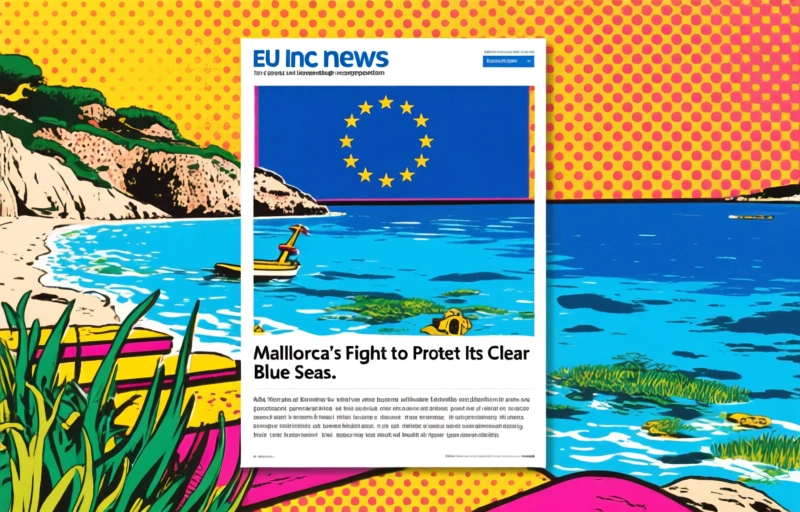
Mallorca is taking bold steps to balance mass tourism with marine protection, tackling pollution, anchoring damage, and seagrass conservation to keep its Mediterranean waters clear and healthy.
Mallorca has long been a dream destination for travelers seeking sun, sand, and crystal-clear waters. But behind the postcard-perfect image lies a growing tension: how do you balance the economic benefits of mass tourism with the urgent need to protect the marine environment? The island is now taking bold steps to tackle pollution, prevent anchoring damage, and conserve vital seagrass meadows.
### The Problem with Mass Tourism
Mallorca welcomes millions of visitors each year. In 2023 alone, over 14 million tourists arrived, according to the Balearic Islands Tourism Board. That's a lot of people on a relatively small island. The pressure shows. Beaches get crowded, waste piles up, and boat traffic increases. All of that takes a toll on the Mediterranean's delicate ecosystem.
But here's the thing: tourism is also the lifeblood of the local economy. It supports hotels, restaurants, shops, and countless jobs. So you can't just shut the door. The challenge is finding a way to keep the tourists coming without letting the environment suffer.

### Anchoring Damage: A Hidden Threat
One of the biggest problems you might not see from the shore is anchoring. Large yachts and small boats drop anchors that can rip up seagrass beds. These meadows, known as Posidonia oceanica, are crucial. They produce oxygen, absorb carbon dioxide, and provide habitat for fish. When anchors tear through them, the damage can take decades to heal.
Mallorca has responded by creating no-anchoring zones in sensitive areas. Boaters now have to use mooring buoys instead. It's a simple fix, but it makes a real difference. The local government has also increased patrols to enforce the rules.
### Tackling Pollution Head-On
Pollution is another major issue. Waste from boats, plastic litter, and runoff from coastal developments all end up in the sea. The island has launched cleanup campaigns and installed better waste disposal facilities at marinas. There's also a push to reduce single-use plastics at hotels and restaurants.
- Plastic bottle bans are becoming more common.
- Beach cleanup events are held regularly.
- Public awareness campaigns encourage visitors to do their part.
These efforts are small steps, but they add up. The goal is to make sure the water stays clear and safe for swimming, diving, and wildlife.
### The Role of Seagrass Conservation
Seagrass is the unsung hero of the Mediterranean. Posidonia meadows are sometimes called the "lungs of the sea" because they produce so much oxygen. They also help stabilize the seabed and prevent erosion. Mallorca has designated several marine protected areas where fishing and boating are restricted. Scientists are also working on restoration projects to replant damaged areas.
It's not just about the environment. Healthy seagrass means healthier fish populations, which supports local fishermen. And clear water attracts tourists who want to snorkel and explore. So protecting the seagrass is good for everyone.
### What Visitors Can Do
If you're planning a trip to Mallorca, you can help. Choose eco-friendly accommodations that minimize waste. Avoid using single-use plastics. When you're on a boat, use mooring buoys instead of dropping anchor. And never touch or walk on seagrass.
"Every small action matters," says Maria Riera, a marine biologist with the Balearic government. "If every visitor made one change, the cumulative impact would be enormous."
### The Bigger Picture
Mallorca isn't alone in this fight. Islands across the Mediterranean face similar challenges. But what's happening here could serve as a model for others. By combining regulation, education, and community action, Mallorca is showing that it's possible to have both a thriving tourism industry and a healthy marine environment.
The tide might be changing, but it's going to take continued effort. For now, the island's clear blue seas are still worth protecting. And with the right steps, they can stay that way for generations to come.