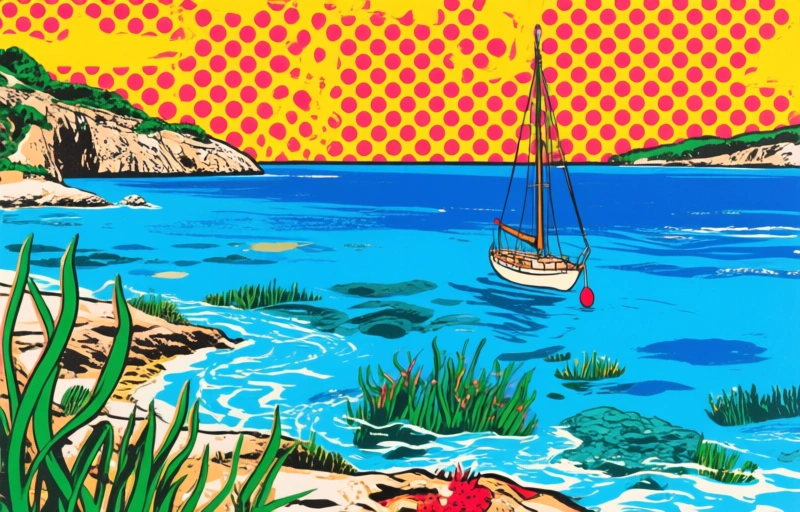
Mallorca fights to protect its clear blue Mediterranean waters from pollution and anchoring damage while balancing mass tourism. Learn how seagrass conservation and new regulations are saving the island's marine ecosystem.
Mallorca is facing a tough challenge. The island is famous for its stunning beaches and crystal-clear Mediterranean waters. But mass tourism is putting all that at risk. Now, local leaders and environmental groups are fighting back. They're tackling pollution, anchoring damage, and working to save seagrass meadows.
It's not just about keeping the water pretty. It's about protecting an entire ecosystem that supports marine life and the local economy. The island is trying to find a balance between welcoming millions of visitors and keeping its natural beauty intact.
### The Problem with Mass Tourism
Tourism is Mallorca's biggest industry. Over 10 million people visit each year. That's a lot of pressure on a small island. Cruise ships, beach resorts, and boat tours bring in money. But they also bring pollution.
Waste from ships and coastal development ends up in the sea. Plastic trash is a huge problem. And then there's the noise. Boats and jet skis disturb marine animals. The clear blue waters that tourists come to see are getting murkier.
### Anchoring Damage to Seagrass
One of the biggest threats is anchoring. Big yachts and small boats drop anchors in shallow waters. Those anchors tear up seagrass meadows. Seagrass is crucial for the Mediterranean ecosystem. It provides habitat for fish and helps keep the water clear.
In some areas, seagrass has been completely destroyed. It takes years to grow back. Local authorities are now banning anchoring in sensitive spots. They're installing mooring buoys so boats can tie up without damaging the seabed.
### Fighting Pollution from All Sides
Pollution comes from many sources. Sewage treatment plants sometimes overflow. Runoff from farms and roads carries chemicals into the sea. And there's the plastic problem. Single-use plastics are everywhere.
Mallorca has banned some single-use plastics. But enforcement is tough. The island is also working on better waste management. Recycling programs are expanding. And there's a push for more eco-friendly tourism practices.
### Saving the Seagrass Meadows
Seagrass is the unsung hero of the Mediterranean. It absorbs carbon dioxide, produces oxygen, and stabilizes the seafloor. It's also a nursery for fish and other marine life. Without it, the whole ecosystem collapses.
Conservation groups are replanting seagrass in damaged areas. It's slow work. But they're seeing some success. They're also educating boaters and tourists about why seagrass matters.
### What Tourists Can Do
You don't have to be a scientist to help. Simple choices make a difference. Use reef-safe sunscreen. Don't touch or step on seagrass. Pick up trash on the beach. And choose eco-friendly tours and accommodations.
Mallorca is also promoting sustainable travel. Some hotels have green certifications. There are bike rentals and electric car charging stations. The message is clear: enjoy the island, but don't destroy it.
### The Bigger Picture
Mallorca's fight is part of a larger trend. Coastal communities around the world are dealing with the same issues. Over-tourism, pollution, and habitat destruction are global problems. But Mallorca is showing that local action can make a difference.
The island's efforts aren't perfect. There's still a long way to go. But the tide might be turning. If Mallorca can protect its clear blue seas, it could be a model for other tourist destinations.
### What's Next?
New regulations are coming. Anchoring bans are expanding. More mooring buoys are being installed. And there's a push for stricter pollution controls. The goal is to keep Mallorca's waters clean for generations to come.
It's a big challenge. But the island has a lot to lose. The clear blue seas are what make Mallorca special. If they disappear, so does the reason people visit.
- Anchoring bans protect seagrass
- Plastic waste is being reduced
- Eco-tourism options are growing
- Conservation groups are replanting seagrass
- Tourists can help by making smart choices
The fight isn't over. But Mallorca is showing that it's possible to balance tourism with conservation. It's a lesson for the whole world.