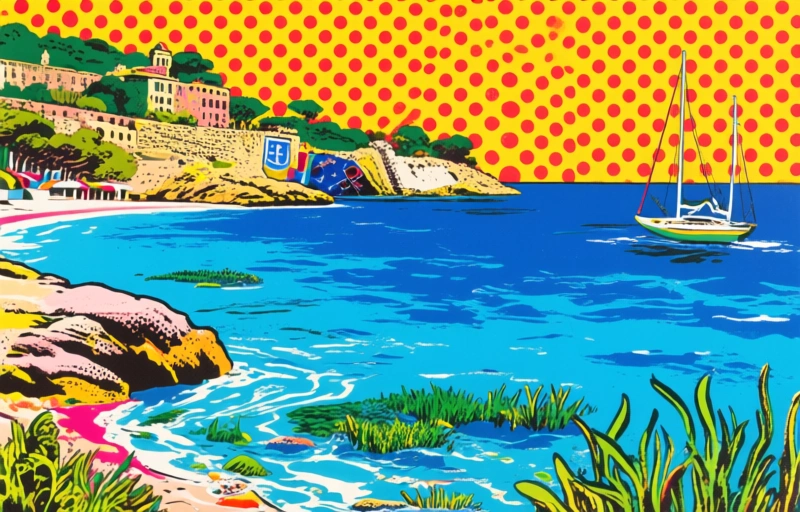
Mallorca balances mass tourism with marine protection, tackling pollution, anchoring damage and seagrass conservation across clear Mediterranean waters.
Mallorca, a jewel of the Mediterranean, is facing a tough balancing act. The island draws millions of visitors each year, drawn by its crystal-clear waters and stunning coastline. But that popularity comes at a cost. Pollution, anchoring damage, and threats to seagrass meadows are all piling up. So, how is Mallorca fighting back?
### The Problem with Mass Tourism
Tourism is the lifeblood of Mallorca's economy. But the sheer volume of visitors can overwhelm local resources. Think about it: more people means more waste, more boats, and more pressure on fragile marine ecosystems. It's a classic case of too much of a good thing.
* **Pollution:** Runoff from hotels, restaurants, and homes can carry chemicals and nutrients into the sea. This can lead to algae blooms that cloud the water and harm marine life.
* **Anchoring Damage:** Boat anchors can tear up seagrass beds. These underwater meadows are crucial for oxygen production and providing habitat for fish.
* **Seagrass Conservation:** Posidonia oceanica, a type of seagrass, is a key species here. It helps keep the water clear and supports biodiversity. But it's slow-growing and easily damaged.
### New Rules for Boaters
To address anchoring damage, Mallorca has introduced new regulations. Boats over a certain size are now banned from anchoring in sensitive seagrass areas. Instead, they must use designated mooring buoys. This simple change can make a huge difference. It prevents anchors from ripping up the seabed.
> "We're not trying to stop tourism," says a local marine biologist. "We're trying to make it sustainable. If we lose the seagrass, we lose the clear water that brings people here in the first place."
### Tackling Pollution Head-On
Mallorca is also stepping up its fight against pollution. The island has invested in better wastewater treatment plants. These facilities now remove more pollutants before water is released back into the sea. There's also a push to reduce single-use plastics. Many beaches now have recycling bins and educational signs.
### The Role of Seagrass Meadows
Seagrass meadows are the unsung heroes of the Mediterranean. They cover less than 1% of the ocean floor but provide a home for thousands of species. They also absorb carbon dioxide and produce oxygen. In fact, a single acre of seagrass can soak up as much carbon as a forest of trees. Protecting them is essential for both marine life and the climate.
### What This Means for Visitors
If you're planning a trip to Mallorca, you can help. Choose eco-friendly tours that avoid anchoring in sensitive areas. Support businesses that use sustainable practices. And always dispose of your trash properly. Small actions add up.
### The Bigger Picture
Mallorca's efforts are part of a larger trend. Across Europe, coastal communities are waking up to the need for marine protection. The EU Inc proposal, for example, aims to standardize startup incorporation across member states. While that's a different topic, it shows how innovation and regulation can work together. The same principle applies here: smart rules can preserve what makes a place special.
### Looking Ahead
The fight to protect Mallorca's clear blue seas is far from over. But the tide is turning, slowly but surely. By balancing tourism with conservation, the island is setting an example for others. It's a reminder that we don't have to choose between enjoying nature and protecting it. We can do both.