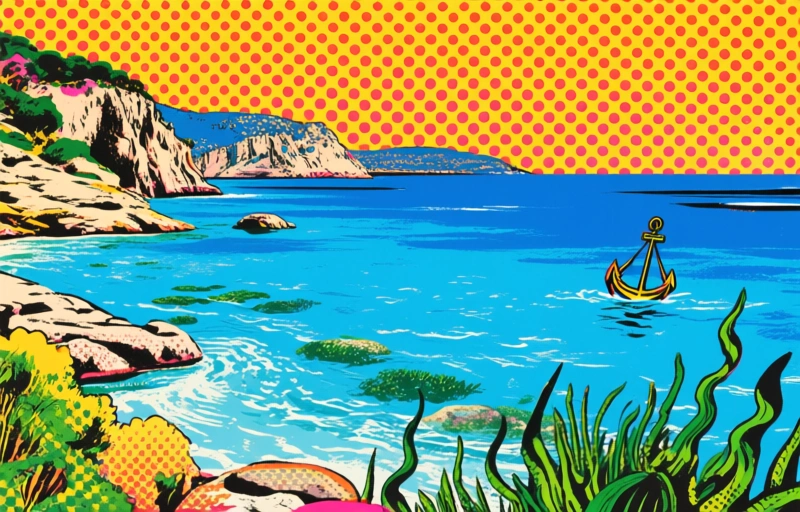
Mallorca balances mass tourism with marine protection, tackling pollution, anchoring damage and seagrass conservation across clear Mediterranean waters.
Mallorca is a Mediterranean gem known for its stunning beaches and crystal-clear waters. But balancing the demands of mass tourism with the need to protect its marine environment is no easy feat. The island is grappling with pollution, damage from boat anchors, and the conservation of vital seagrass meadows. It's a story that matters to anyone who loves the sea or cares about sustainable travel.
### The Challenge of Mass Tourism
Mallorca welcomes millions of visitors each year. That's great for the local economy, but it puts serious pressure on the coastline. Think about it: more people means more waste, more boats, and more strain on natural resources. The island's clear blue waters are its biggest draw, but they're also its most fragile asset.
Tourism isn't going away, and it shouldn't. But the way we do it needs to change. Mallorca is trying to lead that change, focusing on practical steps to keep its waters clean and healthy.
### Tackling Pollution Head-On
Pollution comes from many sources. There's sewage runoff, plastic waste, and chemicals from sunscreens that wash off swimmers. All of it ends up in the sea. The local government is working on better waste management systems and encouraging eco-friendly products. It's a slow process, but every bit helps.
One big win is the push to ban single-use plastics. You'll see fewer plastic bags and bottles on beaches now. Hotels and restaurants are getting on board too, offering refill stations and reducing packaging.
### Protecting Seagrass Meadows
Here's something you might not know: seagrass is a superhero of the ocean. It absorbs carbon dioxide, provides habitat for fish, and keeps water clear. Mallorca's Posidonia oceanica meadows are some of the most important in the Mediterranean. But they're easily damaged by boat anchors.
When a boat drops anchor in a seagrass bed, it can tear up decades of growth. To fight this, the island has set up mooring buoys in key areas. Boats can tie up to these instead of dropping anchor. It's a simple solution that makes a huge difference.
### The Anchoring Problem
Anchoring isn't just a problem for seagrass. It stirs up sediment, which clouds the water and harms marine life. Mallorca is now enforcing stricter rules on where boats can anchor. Some areas are off-limits entirely during peak season.
- Designated anchoring zones are clearly marked.
- Fines for damaging protected areas have increased.
- Education campaigns target both locals and tourists.
These steps are helping, but enforcement is tough. With so many boats on the water, it's hard to catch every violation.
### A Broader Vision for Conservation
Mallorca isn't just reacting to problems. It's building a long-term plan for marine conservation. This includes expanding marine protected areas, restoring damaged habitats, and monitoring water quality. The goal is to create a balance where tourism and nature can thrive together.
It's not just about the island itself. What happens here sets an example for other coastal destinations. If Mallorca can pull this off, it shows that sustainable tourism is possible.
"The sea is our greatest asset. If we lose it, we lose everything." That's a quote from a local marine biologist, and it sums up the stakes perfectly.
### What This Means for You
If you're planning a trip to Mallorca, you can be part of the solution. Choose eco-friendly accommodations, use reef-safe sunscreen, and never touch or walk on seagrass. Small choices add up.
For professionals in the travel or marine conservation fields, Mallorca's approach offers lessons in how to manage growth without sacrificing the environment. It's a case study in the kind of balance we all need to find.
### The Bottom Line
Mallorca is fighting to protect its clear blue seas, and it's making progress. The tide is turning, but it's a long battle. Pollution, anchoring damage, and seagrass loss won't disappear overnight. With continued effort and smart policies, the island can keep its waters pristine for generations to come.