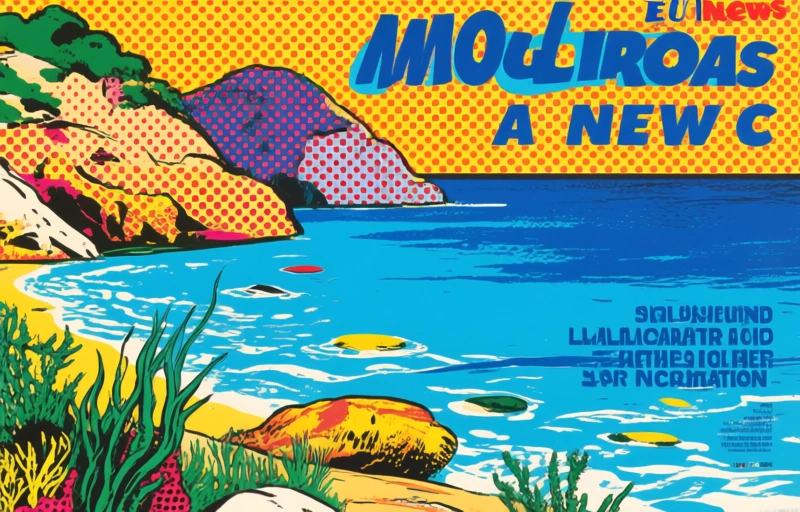
Mallorca balances mass tourism with marine protection, tackling pollution, anchoring damage and seagrass conservation across clear Mediterranean waters.
Mallorca, a jewel of the Mediterranean, has long been a magnet for mass tourism. But the island is now navigating a significant shift. It's balancing the demands of millions of visitors with the urgent need to protect its stunning marine environment. This isn't just about keeping beaches clean; it's a deeper fight against pollution, anchoring damage, and the conservation of vital seagrass meadows.
### The Challenge of Mass Tourism
For decades, Mallorca's economy has relied heavily on tourism. The island welcomes over 10 million visitors each year, many drawn to its clear waters and sandy shores. This influx brings prosperity, but it also creates immense pressure on natural resources. Waste management, water consumption, and coastal development are all stretched thin. The very thing that attracts people—the pristine environment—starts to suffer.
### Pollution: A Persistent Problem
One of the biggest threats is pollution. It comes from many sources: boat sewage, agricultural runoff, and plastic waste from both land and sea. The Mediterranean, being a semi-enclosed sea, doesn't flush out pollutants quickly. This means that everything from sunscreen chemicals to microplastics accumulates, harming marine life and degrading water quality. Local authorities are now cracking down, with stricter regulations on waste disposal and a push for eco-friendly alternatives.
### Anchoring Damage and Seagrass
Another critical issue is damage from boat anchors. The seabed around Mallorca is home to *Posidonia oceanica*, a seagrass that's vital for the ecosystem. It produces oxygen, provides habitat for fish, and helps stabilize the coastline. But anchors and chains can tear up these meadows, leaving scars that take decades to heal. To combat this, the island has established protected zones where anchoring is restricted. Boaters are encouraged to use mooring buoys instead, which minimize seabed impact.
### Seagrass Conservation Efforts
Seagrass is often called the "lungs of the Mediterranean." One square yard of it can produce as much oxygen as a small tree. But it's fragile. Conservation groups and the local government have launched initiatives to map and monitor these meadows. They're also working on restoration projects, replanting areas that have been damaged. It's a slow process, but there are signs of hope. Public awareness campaigns are helping, and more people understand that protecting seagrass means protecting the clear blue waters they love.
### A Shift in Policy and Practice
Mallorca is also adopting new policies. There's a move toward sustainable tourism, with limits on the number of cruise ships allowed to dock. Hotels are being encouraged to reduce water and energy use. And there's a growing trend of visitors choosing eco-friendly accommodations. It's a balancing act, but the island is showing that economic success and environmental protection can go hand in hand.
### What This Means for the Future
The fight for Mallorca's seas is far from over. But the tide is slowly changing. With stronger regulations, community engagement, and a shift in tourist behavior, the island is setting an example. It's a reminder that even in the face of overwhelming challenges, local action can make a difference. The clear blue waters of Mallorca aren't just a pretty picture; they're a vital ecosystem worth fighting for.