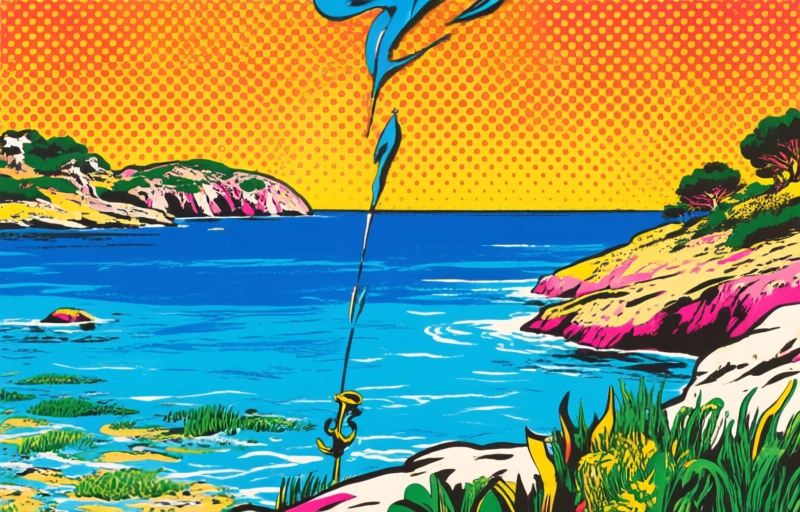
Mallorca balances mass tourism with marine protection, tackling pollution, anchoring damage and seagrass conservation across clear Mediterranean waters. Discover how the island is fighting back.
Mallorca is a gem of the Mediterranean. Its crystal-clear waters and sandy beaches draw millions of visitors every year. But there's a problem: mass tourism is putting serious pressure on the island's marine environment. Now, local authorities and environmental groups are fighting back.
### The Balancing Act
Mallorca has to juggle two big things: keeping its tourism economy strong and protecting its natural beauty. It's not easy. On one hand, tourism brings in billions of dollars each year. On the other, all those visitors leave a mark. Pollution from boats, damage from anchors, and harm to seagrass meadows are real issues.
But here's the good news: the island is taking steps to fix things. New rules are being put in place to limit anchoring in sensitive areas. There are also efforts to cut down on pollution from coastal development. It's a slow process, but it's happening.
### Tackling Pollution Head-On
Pollution is a big enemy of Mallorca's waters. Runoff from farms and cities can carry chemicals and trash into the sea. That harms marine life and makes the water less clear. To fight this, the island has started stricter waste management programs. They're also promoting eco-friendly farming practices.
- Stricter rules for coastal construction
- Better wastewater treatment plants
- Campaigns to reduce plastic use on beaches
These steps might seem small, but they add up. Every bit helps keep the water blue and clean.
### Protecting Seagrass Meadows
Seagrass is like the rainforest of the sea. It provides oxygen, shelters fish, and keeps the water clear. Mallorca has some of the most important seagrass meadows in the Mediterranean. But anchors from boats can tear them up. That's a huge problem because seagrass grows slowly.
To protect it, the island has set up no-anchor zones in key areas. Boats now have to use mooring buoys instead. This simple change can save thousands of square feet of seagrass every year. It's a win for nature and for tourism, because clear water attracts more visitors.
### The Role of Local Communities
Local people are a big part of the solution. Fishermen, tour guides, and residents all have a stake in keeping the sea healthy. Community groups organize beach cleanups and educational events. Some hotels even offer eco-certifications to encourage sustainable practices.
> "We don't want to lose what makes Mallorca special," says a local conservationist. "The sea is our lifeblood."
This kind of grassroots effort is crucial. It shows that change doesn't have to come from the top down. When people care, they act.
### What's Next?
Mallorca's fight is far from over. Climate change and rising sea temperatures add new challenges. But the island is showing that it's possible to balance tourism with protection. Other coastal areas around the world could learn from its example.
For now, the focus is on enforcement. New laws are only effective if they're followed. That means more patrols, better monitoring, and public awareness campaigns. It's a lot of work, but the goal is clear: keep Mallorca's waters clear and blue for generations to come.
So, is the tide changing? Slowly, yes. Mallorca is proving that with effort and cooperation, you can have both a thriving tourism industry and a healthy marine environment. That's a story worth telling.