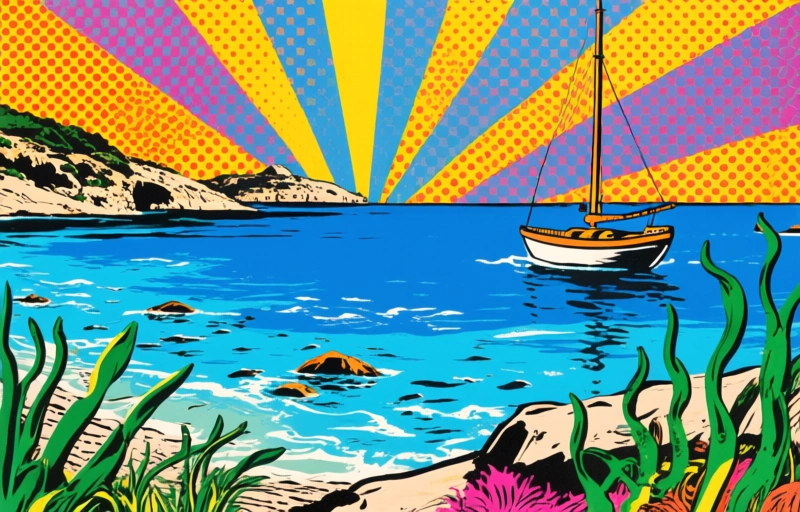
Mallorca fights to protect its clear blue seas from mass tourism, pollution, and anchoring damage. Discover how the island is balancing tourism with marine conservation and seagrass protection.
Mallorca's crystal-clear waters have drawn millions of tourists for decades. But that popularity comes at a cost. The island is now fighting back against pollution, anchoring damage, and the loss of vital seagrass meadows. It's a balancing act between welcoming visitors and protecting what makes the place so special.
### The Hidden Cost of Mass Tourism
Mass tourism isn't just about crowded beaches and busy streets. Beneath the surface, it's causing real harm. Boats drop anchors on fragile seagrass beds, crushing plants that have taken centuries to grow. Sewage and runoff from hotels and resorts pollute the water. And all those swimmers and snorkelers? They stir up sediment and disturb marine life.
Mallorca sees over 10 million tourists each year. That's a lot of pressure for any ecosystem. The island's leaders know they can't just shut down tourism. But they're starting to ask a tough question: how do we keep the economy going without destroying the very thing people come to see?

### Seagrass: The Unsung Hero
You might not think much of seagrass. But these underwater meadows are incredibly important. They produce oxygen, absorb carbon dioxide, and provide a home for fish and other marine creatures. In Mallorca, the Posidonia oceanica seagrass is especially valuable. It's actually a protected species under EU law.
When boats drop anchors on seagrass, they tear up the roots. The damage can take decades to heal. Some areas have lost up to 30 percent of their seagrass cover in just a few years. That's a huge loss for the whole ecosystem.
### New Rules on the Water
Mallorca isn't just talking about change. It's taking action. The local government has introduced new rules to protect the marine environment. Here's what they're doing:
- Banning anchoring in seagrass meadows and creating designated mooring zones
- Installing eco-moorings that don't damage the seabed
- Increasing fines for boats that anchor in protected areas
- Launching awareness campaigns for tourists and boat owners
These measures are already showing results. In some areas, seagrass is starting to recover. But there's still a long way to go.
### Pollution: A Bigger Problem Than You Think
It's not just anchors causing trouble. Pollution from land is a major issue too. Fertilizers from farms and golf courses wash into the sea, causing algae blooms that choke out seagrass. Plastic waste from tourists ends up on beaches and in the water. And untreated sewage from older buildings can still find its way into the Mediterranean.
Mallorca is working on this from multiple angles. The island is upgrading its wastewater treatment plants. It's banning single-use plastics in many coastal areas. And it's encouraging hotels to adopt more sustainable practices. Some hotels now filter their own wastewater and use it for irrigation. That means less pollution and more water conservation.
### What Tourists Can Do
You don't have to be a scientist or a politician to help. If you're visiting Mallorca, there are simple things you can do to protect the sea:
- Never touch or step on seagrass when swimming or snorkeling
- Use reef-safe sunscreen to avoid harming marine life
- Pick up any trash you see on the beach
- Choose hotels and tour operators that follow sustainable practices
- Support local conservation efforts by visiting marine protected areas
Every little bit helps. When thousands of visitors make small changes, the impact adds up.
### The Bigger Picture
Mallorca's fight is part of a global struggle. Islands and coastal communities everywhere are trying to balance tourism with conservation. What happens here could become a model for other places. If Mallorca can protect its seagrass while keeping its tourism industry strong, it might show the world that it's possible to have both.
But it won't be easy. The pressure from development and tourism isn't going away. And climate change is making things worse. Warmer water temperatures stress seagrass and make it harder for it to recover. So the work needs to continue, and it needs to get smarter.
### A Future Worth Fighting For
Mallorca's clear blue seas aren't just beautiful. They're a living, breathing part of the island's identity. They support a huge variety of life and provide a livelihood for thousands of people. Losing them would be a tragedy.
The good news is that people are paying attention. Scientists, local officials, and even some tourists are stepping up. The question is whether it's enough. The tide might be turning, but it's going to take a lot more work to make sure Mallorca's waters stay clear for generations to come.