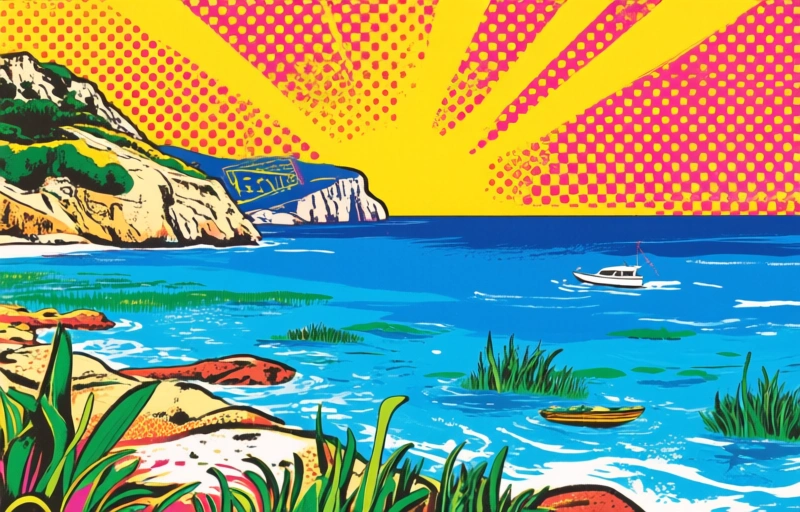
Mallorca balances mass tourism with marine protection, tackling pollution, anchoring damage and seagrass conservation across clear Mediterranean waters.
Mallorca is at a crossroads. The island draws millions of visitors each year, and that brings serious challenges for its marine environment. Pollution, damage from boat anchors, and the health of seagrass meadows are all on the line. But locals are stepping up.
### The Balancing Act
Mallorca has long been a top destination for travelers seeking sun, sand, and clear waters. But mass tourism has taken a toll. The Mediterranean waters around the island face constant pressure from waste, boat traffic, and coastal development. It's a tough trade-off between economic benefits and protecting what makes the place special.
Still, there's a growing push to change course. Local authorities and environmental groups are working together to find solutions. They're not trying to shut down tourism entirely. Instead, they want to make it more sustainable. That means tackling pollution at its source and limiting activities that damage the seabed.

### Seagrass Conservation
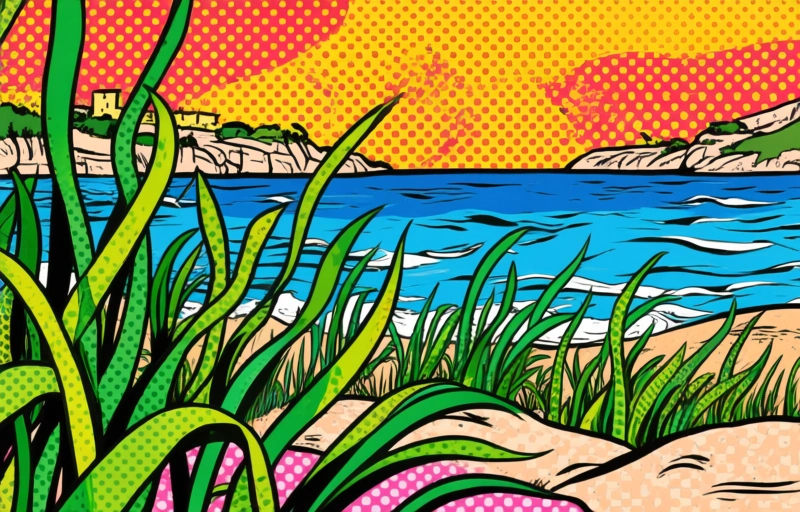
One of the biggest wins for Mallorca's waters is the focus on seagrass. These underwater meadows are vital for the ecosystem. They provide habitat for fish, help keep the water clear, and even store carbon. But they're fragile. Boat anchors can tear them up, and pollution can kill them off.
Conservation efforts are now targeting these threats. Some areas have been designated as protected zones where anchoring is restricted. Boaters are encouraged to use mooring buoys instead. It's a simple change that makes a big difference. Over time, the seagrass can recover and thrive again.
### Tackling Pollution
Pollution is another major issue. Runoff from farms, sewage, and plastic waste all find their way into the sea. That harms marine life and hurts the tourism industry too. Clean water is what draws people here in the first place.
Local initiatives are working on multiple fronts. There are beach cleanups, better waste management systems, and stricter rules for businesses. Education also plays a role. Tourists are reminded to dispose of trash properly and avoid single-use plastics. Small actions add up when millions of people visit each year.
### Anchoring Damage
Anchoring might seem harmless, but it's a big problem for the seabed. A single anchor can destroy years of seagrass growth. In popular bays, hundreds of boats drop anchor every day. That's a lot of damage.
To address this, Mallorca has installed more mooring buoys in sensitive areas. These allow boats to tie up without dropping anchor. It's a practical solution that protects the seafloor while still letting people enjoy the water. The buoys are maintained by local authorities, and boaters are generally supportive of the idea.
### What This Means for Visitors
If you're planning a trip to Mallorca, you can help. Choose tour operators who follow sustainable practices. Avoid anchoring your boat in seagrass meadows. Dispose of waste properly. And support local businesses that care about the environment.
The island is making real progress, but it needs everyone's help. The clear blue waters aren't a given. They require ongoing effort. But with the right actions, Mallorca can keep its seas healthy for generations to come.
- Use mooring buoys instead of anchoring
- Avoid single-use plastics
- Support eco-friendly tours and accommodations
- Join beach cleanups if you can
It's not about giving up tourism. It's about doing it smarter. And that's a change worth making.