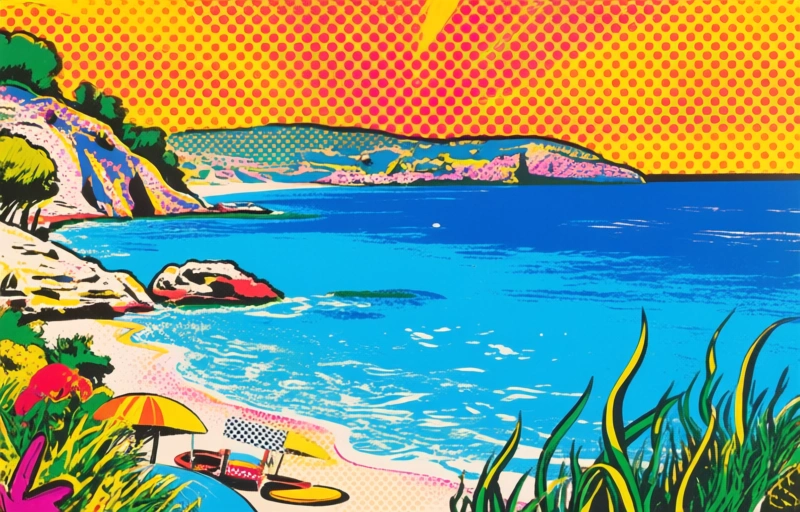
Mallorca fights mass tourism to protect its clear blue seas. Learn how the island balances tourism with marine conservation, tackling pollution, anchoring damage, and seagrass protection.
Mallorca is one of those places that feels like a dream. Clear blue waters, sandy beaches, warm sun. But behind the postcard-perfect image, there's a real struggle happening. The island is trying to balance the demands of mass tourism with the urgent need to protect its marine environment. And honestly, it's not easy.
Tourism brings in money, jobs, and life to the island. But it also brings pollution, damage to the seabed, and threats to the seagrass meadows that keep the water so clear. So what's Mallorca doing about it? Let's dive in.
### The Problem with Mass Tourism
Every year, millions of visitors flock to Mallorca. And while that's great for the economy, it's hard on the environment. Boats drop anchors on fragile seagrass beds. Sunscreen and waste wash into the water. The sheer number of people puts pressure on the ecosystem.
But here's the thing: the people of Mallorca aren't just sitting back. They're fighting back. And they're doing it in smart ways.
### Protecting Seagrass Meadows
Seagrass might not sound exciting, but it's a big deal. These underwater meadows act like the lungs of the sea. They produce oxygen, absorb carbon, and provide homes for fish. They also keep the water clear by trapping sediment.
So when boats drop anchors on them, it's a problem. The anchors tear up the seagrass, and it can take years to grow back. That's why Mallorca has started using mooring buoys. These buoys let boats tie up without dropping an anchor. Simple, but effective.
- Mooring buoys are now in place in key areas.
- Boaters are encouraged to use them instead of anchoring.
- Fines for damaging seagrass have gone up.
### Tackling Pollution from Tourism
Pollution is another big issue. Think about all the sunscreen, trash, and wastewater that comes with millions of tourists. It adds up. Mallorca is tackling this in a few ways:
- Better wastewater treatment plants to keep sewage out of the sea.
- Bans on certain harmful sunscreens that damage coral and seagrass.
- More recycling bins and cleanup campaigns on beaches.
It's not perfect, but it's a start. And every little bit helps.
### The Role of Local Communities
One thing that stands out is how much the local community cares. Fishermen, divers, and residents are all part of the effort. They report illegal anchoring, participate in cleanups, and push for stronger protections.
> "We have one sea, and we all share it. If we don't protect it, we lose everything." - Local fisherman
That kind of attitude makes a difference. It's not just about rules and regulations. It's about people wanting to do the right thing.
### What This Means for the Future
Mallorca's story is a reminder that tourism and conservation don't have to be enemies. With the right tools and a bit of will, you can have both. The island is far from perfect, but it's moving in the right direction.
If you're planning a trip to Mallorca, here's a thought: be mindful. Use the mooring buoys. Choose reef-safe sunscreen. Pick up your trash. Small actions add up.
And if you're in the business of tourism or marine protection, there's a lesson here. You can make money and still protect the planet. It just takes some effort.
So next time you see a clear blue sea, remember the work behind it. Mallorca is showing the world how it's done.