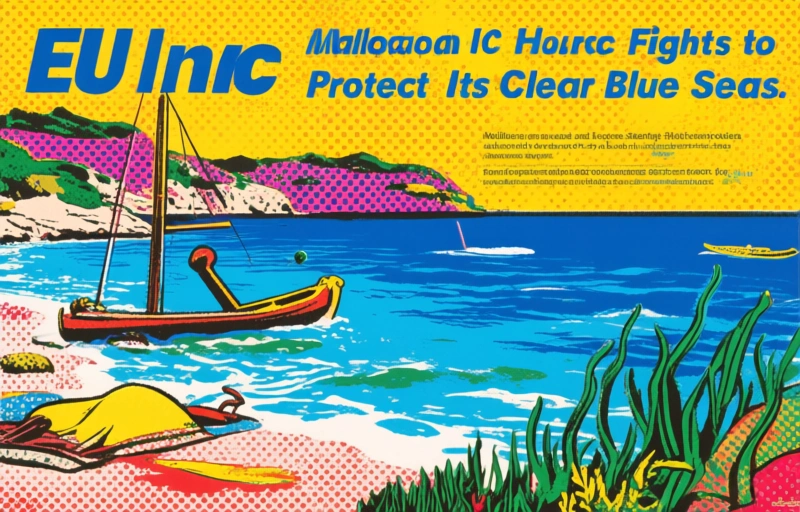
Mallorca balances mass tourism with marine protection, tackling pollution, anchoring damage, and seagrass conservation to preserve its clear Mediterranean waters.
### The Battle for Mallorca's Waters
Mallorca is facing a tough challenge. It wants to keep its crystal-clear Mediterranean waters pristine while still welcoming millions of tourists every year. That's not easy. The island has become a hotspot for mass tourism, and that brings problems like pollution, damage from boat anchors, and threats to seagrass meadows.
But something is shifting. Local authorities, environmental groups, and even some businesses are stepping up. They're not just talking about change; they're making it happen. And it's about time.
### Pollution: A Growing Problem
Pollution is one of the biggest threats to Mallorca's marine environment. Think about it: more people mean more waste, more sunscreen in the water, and more plastic. It all adds up. The island has seen a rise in microplastics and chemical runoff from boats and coastal developments.
So what's being done? New regulations are cracking down on untreated wastewater from yachts and hotels. There's also a push for better recycling programs on land. It's a start, but it's going to take a lot more work to turn the tide.

### Anchoring Damage: Protecting the Seabed
Boat anchors are another big issue. When large yachts drop anchor in shallow waters, they can tear up seagrass meadows. These meadows are crucial. They provide habitat for fish, help keep the water clear, and even store carbon. Losing them would be a disaster.
To fight this, Mallorca has set up "no-anchor" zones in key areas. Boats now have to use mooring buoys instead. It's a simple fix, but it's making a real difference. The seagrass is starting to recover in some spots, and that's a good sign.
### Seagrass Conservation: A Natural Ally
Seagrass is more than just underwater plants. It's a natural protector of the coast. It stabilizes the seabed, reduces erosion, and filters out pollutants. That's why conservation groups are so focused on saving it.
One major effort is the restoration of Posidonia oceanica, a type of seagrass found only in the Mediterranean. Scientists are replanting it in damaged areas. It's slow work, but every new shoot helps. The goal is to create a buffer against both pollution and climate change.
- Seagrass meadows can absorb up to 35 times more carbon than a rainforest of the same area.
- They also produce oxygen and support a huge variety of marine life.
### A Balanced Future?
Mallorca isn't giving up on tourism. It can't. The island's economy depends on it. But it's trying to find a balance. That means promoting eco-friendly travel, limiting the number of cruise ships, and investing in marine protected areas.
It's a long road, but there are signs of hope. More people are choosing sustainable options, and local leaders are listening. Maybe this really is a changing of the tide.
> "We're not just protecting the sea for the fish. We're protecting it for ourselves and for future generations." - A local conservationist
The fight isn't over. But with every new regulation, every restored seagrass meadow, and every conscious decision by a traveler, Mallorca is showing that it's possible to have both clear blue seas and a thriving community. It just takes work.