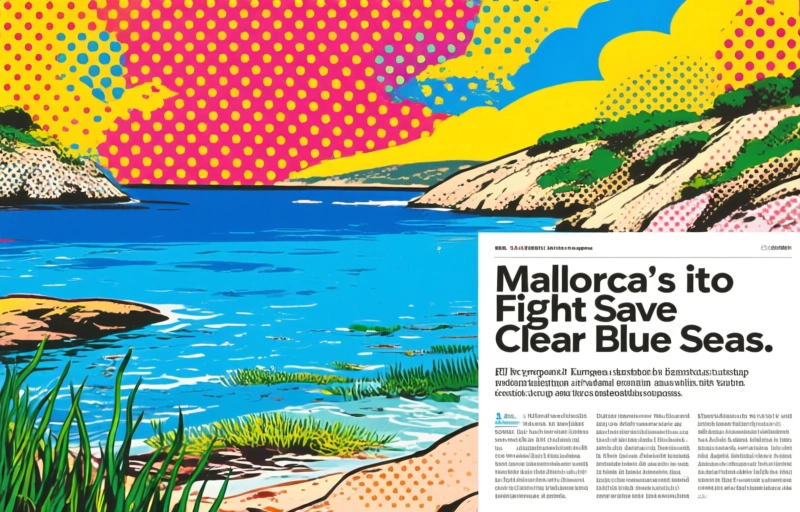
Mallorca is fighting to protect its clear blue seas from mass tourism. Learn how the island balances visitors with marine conservation, protecting seagrass and reducing pollution.
Mallorca is a gem of the Mediterranean. But its crystal-clear waters face a real threat from the very thing that brings the island to life: tourism. The challenge is balancing a booming travel industry with protecting the marine environment.
It's a tough spot to be in. You want people to enjoy the beauty, but too many visitors can damage what they came to see. That's why Mallorca is stepping up with new rules and conservation efforts to keep its seas clean and healthy.
### The Problem with Mass Tourism
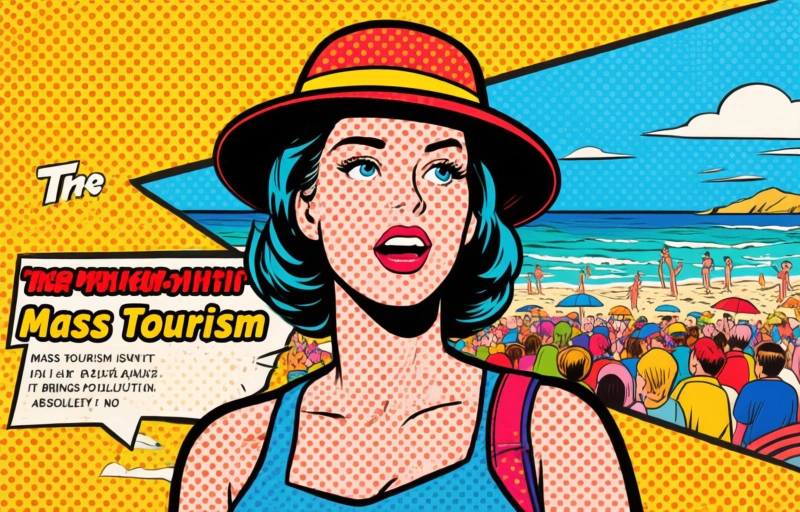
Mass tourism isn't just about crowded beaches. It brings pollution, damage to the seabed, and stress on local wildlife. Anchors from boats, for example, can tear up seagrass meadows that have been growing for centuries.
These meadows are crucial. They absorb carbon dioxide, provide habitat for fish, and keep the water clear. When they're destroyed, the whole ecosystem suffers. And with millions of visitors each year, the pressure is constant.
### Protecting Seagrass Meadows
One of the biggest wins for Mallorca is the protection of *Posidonia oceanica*, a type of seagrass found only in the Mediterranean. It's often called the "lungs of the sea" because it produces so much oxygen.
The island has set up special zones where boats can't drop anchor. Instead, they use mooring buoys that keep chains off the seabed. This simple change helps seagrass recover and thrive.
- **No-anchor zones** protect sensitive areas
- **Mooring buoys** replace destructive anchors
- **Fines** for damaging seagrass can reach thousands of dollars
### Tackling Pollution from Land and Sea
Pollution doesn't just come from boats. Runoff from farms, sewage, and plastic waste all end up in the water. Mallorca is working to clean up these sources too.
New wastewater treatment plants are being upgraded. Farmers are encouraged to use fewer chemicals. And beach cleanups happen regularly, often led by local volunteers.
But there's still work to do. Microplastics are a growing concern, and they're hard to remove once they're in the water. The island is testing new filtration systems to catch plastics before they reach the sea.
### What This Means for Visitors
If you're planning a trip to Mallorca, you can help. Choose eco-friendly tours that respect the environment. Avoid products with harmful chemicals. And always dispose of trash properly.
Local businesses are getting on board too. Many hotels now use biodegradable products. Restaurants are cutting down on single-use plastics. And tour operators are educating guests about the importance of marine conservation.
> "We want people to fall in love with the sea, not destroy it," says a local marine biologist. "Every small action adds up."
### The Bigger Picture
Mallorca isn't alone in this fight. Islands across the Mediterranean are facing similar challenges. But what's happening here could be a model for others.
By combining strict regulations with community action, Mallorca is showing that tourism and conservation can coexist. It's not easy, and there are setbacks. But the commitment to protecting the clear blue seas is stronger than ever.
The tide might be changing. And for the fish, the seagrass, and everyone who loves the ocean, that's a good thing.