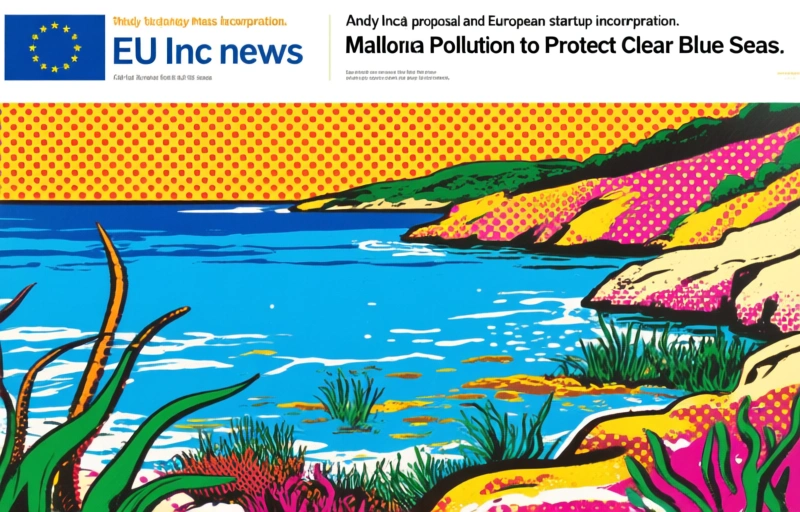
Mallorca fights mass tourism's toll on its waters, tackling pollution, anchoring damage, and seagrass loss. Learn how conservation efforts aim to protect the island's clear blue seas.
Mallorca is fighting an uphill battle to protect its crystal-clear Mediterranean waters. The island has long been a magnet for travelers, but that popularity comes at a cost. Now, local leaders and conservation groups are pushing back against the damage caused by mass tourism, pollution, and careless anchoring.
You've probably seen the photos: turquoise water, sandy beaches, and rocky coves that look like they belong on a postcard. But beneath the surface, there's a different story unfolding. Pollution from boats and coastal development is threatening the very thing people come to see.
### The Anchor Problem
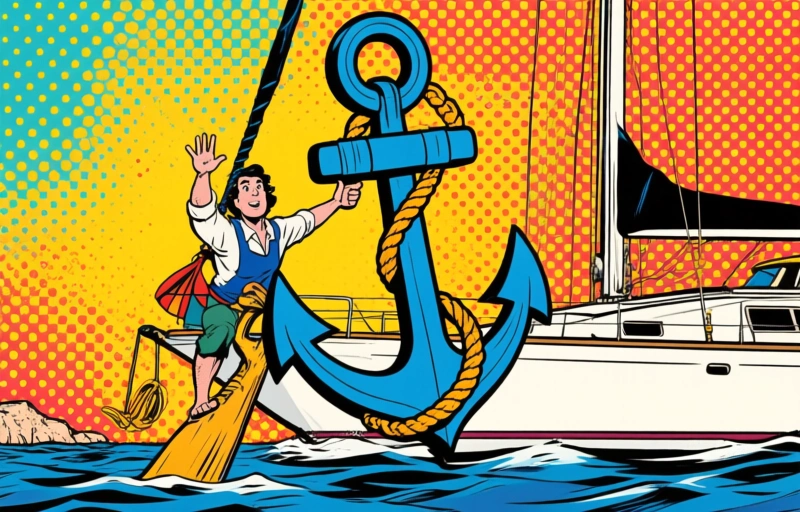
One of the biggest threats to Mallorca's marine life is anchoring. Large yachts and tour boats drop heavy anchors that tear up seagrass meadows. These seagrass beds are crucial for the ecosystem. They provide shelter for fish, absorb carbon dioxide, and help keep the water clear.
When an anchor drags across the seafloor, it leaves behind a scar. Those scars can take years to heal. In some areas, the damage is so severe that the seagrass never fully recovers. That means less habitat for marine life and murkier water for swimmers and divers.
Conservation groups are now working to establish no-anchor zones in sensitive areas. They're also installing mooring buoys that boats can tie up to without damaging the seabed. It's a simple fix, but it requires cooperation from everyone who visits.
### Pollution From Tourism
Mass tourism brings more than just crowds. It brings pollution. Waste from hotels, restaurants, and boats often ends up in the sea. Plastic bottles, food wrappers, and other trash wash up on beaches. But the bigger problem is invisible: chemical pollution from sunscreen, fuel, and cleaning products.
Every time someone swims in the ocean, they're washing off sunscreen that can damage coral and marine life. Multiply that by millions of visitors each year, and you start to see the scale of the problem. The same goes for boat maintenance. Fuel leaks and cleaning chemicals seep into the water, poisoning fish and plants.
Local authorities are trying to address this by banning certain sunscreens and requiring boats to use eco-friendly cleaning products. But enforcement is tricky. With so many visitors, it's hard to monitor everyone.
### Seagrass Conservation Efforts
Seagrass is the unsung hero of the Mediterranean. It produces oxygen, stores carbon, and provides a nursery for young fish. In Mallorca, seagrass meadows cover thousands of acres along the coast. But they're shrinking fast.
Scientists estimate that the island has lost about 30% of its seagrass over the past few decades. The main culprits are anchoring and pollution. But rising water temperatures are also taking a toll. As the sea warms, seagrass struggles to survive.
To fight back, conservation groups are planting new seagrass beds and monitoring existing ones. They're also educating boaters and tourists about the importance of staying off the seagrass. It's a slow process, but there are signs of hope. In protected areas, the seagrass is starting to recover.
### What You Can Do
If you're planning a trip to Mallorca, you can help protect the marine environment. Here are a few simple steps:
- Use reef-safe sunscreen that doesn't contain oxybenzone or octinoxate.
- Avoid anchoring in seagrass meadows. Look for mooring buoys instead.
- Pick up any trash you see on the beach or in the water.
- Support local businesses that prioritize sustainability.
These small actions add up. If every visitor made one or two changes, the impact would be significant. Mallorca doesn't have to choose between tourism and conservation. With the right approach, it can have both.
### The Bigger Picture
Mallorca's fight is part of a larger battle happening across the Mediterranean. Other islands and coastal regions are facing similar challenges. The difference is that Mallorca is taking action. By investing in marine protection, the island is setting an example for others to follow.
The tide might be changing, but it's not too late. With continued effort, Mallorca can preserve its clear blue seas for generations to come. And that's something worth fighting for.