Macron and Germany Discuss European Nuclear Security
Jan de Vries ·
Listen to this article~5 min
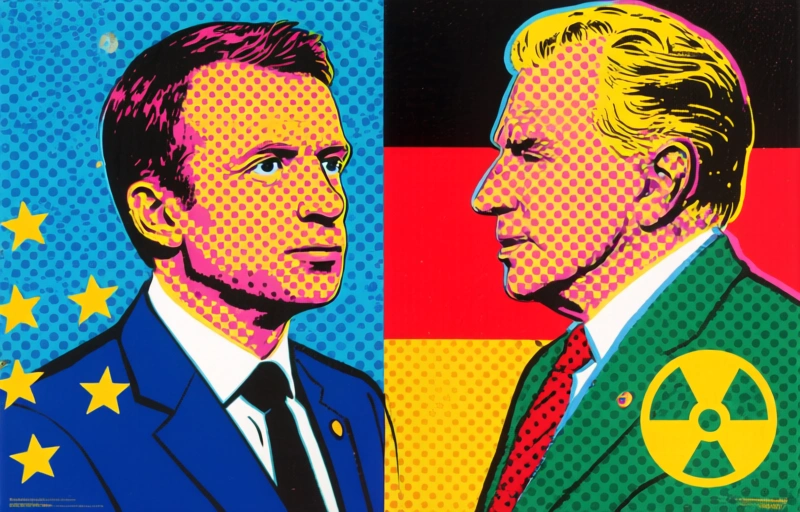
French President Macron and Germany's chancellor are holding significant talks about European nuclear deterrence, reflecting shifting security priorities and Europe's growing focus on independent security frameworks.
So, you're probably wondering what's happening across the pond right now. European security is back in the spotlight, and it's not just about border disputes or economic sanctions this time. We're talking about the big one—nuclear deterrence.
French President Emmanuel Macron and Germany's chancellor recently sat down for some serious talks. And when these two leaders get together to discuss nuclear strategy, you know the conversation matters. It's not your everyday diplomatic chat.
### Why This Conversation Matters Now
Let's be real—Europe's security landscape has shifted dramatically in recent years. Old assumptions don't hold up like they used to. Traditional alliances are being tested, and new threats have emerged that nobody anticipated a decade ago.
What's interesting here is how this discussion represents a shift in thinking. European nations are increasingly looking at what security means on their own terms, not just through the lens of transatlantic partnerships. It's about taking more responsibility for their own backyard.

### The Nuclear Question in Modern Europe
Nuclear deterrence isn't exactly dinner table conversation for most people. But here's why it matters: it's the ultimate security guarantee, and Europe's nuclear capabilities are concentrated in just a few hands.
- France maintains an independent nuclear arsenal
- The UK has its own capabilities
- U.S. nuclear weapons are stationed in several European countries
- Germany hosts American nuclear weapons but has none of its own
This creates what experts call a "nuclear asymmetry" within Europe itself. Some nations have the ultimate deterrent, while others rely on protection from allies. That dynamic shapes every security conversation happening today.
### What's Really Being Discussed
When Macron and the German chancellor talk nuclear deterrence, they're not just debating weapons systems. They're discussing something much broader:
"European security requires thinking beyond immediate crises. We need frameworks that will protect our citizens for decades, not just respond to today's headlines."
That's the kind of thinking driving these conversations. It's about creating security architectures that can withstand political changes, economic shifts, and evolving threats. They're looking at the chessboard several moves ahead.
### The Business Angle You Might Not Consider
Here's something most people miss: security discussions like these directly impact business decisions. When companies consider where to invest in Europe, stability matters. Nuclear deterrence conversations might seem abstract, but they signal something important about long-term stability.
Investors watch these developments closely. A Europe that takes its security seriously is a Europe where long-term investments make more sense. It's about creating predictable environments where businesses can thrive without worrying about sudden geopolitical shifts.
### Looking Beyond the Headlines
What's fascinating about this particular discussion is what it represents—a maturation of European security thinking. For decades, Europe relied heavily on U.S. security guarantees. Now there's growing recognition that European nations need to take more ownership of their security future.
This doesn't mean abandoning transatlantic partnerships. Far from it. But it does mean developing European capabilities and frameworks that complement existing alliances. It's about building multiple layers of security rather than relying on a single approach.
### Why This Affects More Than Just Politicians
You might think nuclear deterrence is just for defense ministers and generals. But here's the thing: these discussions trickle down to affect everything from energy policy to technology development to economic planning.
When nations feel secure, they make different choices. They invest differently. They plan for longer time horizons. They create environments where innovation can flourish without the constant shadow of instability.
So next time you see headlines about European security talks, remember—it's not just about weapons and treaties. It's about creating the conditions for everything else to work: economies to grow, societies to develop, and people to live without constant fear of conflict.
That's what makes these conversations between Macron and Germany's chancellor so significant. They're not just talking about today's threats. They're trying to build a security framework that will protect European citizens for generations to come. And in today's unpredictable world, that's a conversation worth having.